









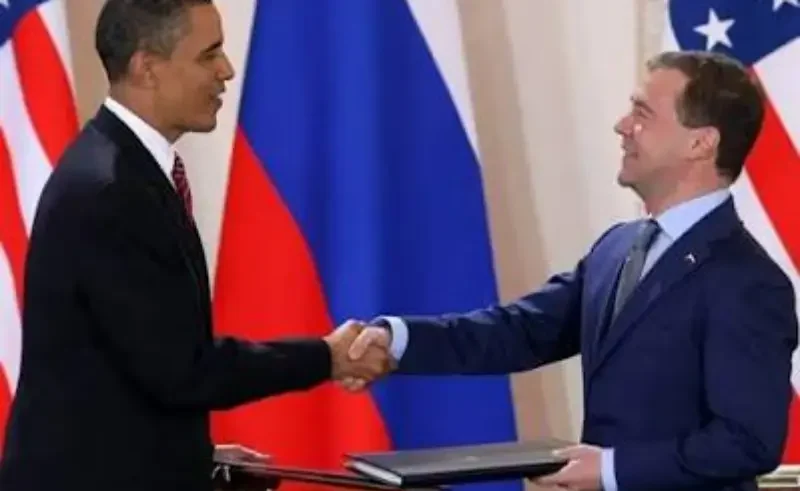
The end of the New Strategic Arms Reduction Treaty (New START) on February 5, 2026, has brought into question the future of nuclear stability in the world. The pact signed by the United States and Russia may have indirect repercussions in Southeast Asia if it fails, as it might bring a sense of strategic uncertainty, diminish nuclear transparency, and spur great-power rivalry.
New START Expiry Raises Concerns Over Global Nuclear Stability
Under New START, the United States and Russia will cap the number of deployed strategic nuclear weapons, with a maximum of 1,550 warheads for each. Its expiration eliminated the final legally binding restrictions on their strategic arsenal and the absence of verification arrangements has made it more difficult to monitor and develop mutual trust in the process.
Southeast Asia Could Face Greater Strategic Competition
The treaty’s expiration could add to the uncertainty in the Indo-Pacific, as both Washington and Moscow are without treaties. Southeast Asian nations may be forced to become even more adept at managing the US-China contest, especially as governments in the region are looking for a way to reconcile their economic interests, military cooperation and fears about China’s activities in the surrounding waters.
China’s Nuclear Expansion Adds to Regional Security Concerns
Another aspect of the evolving security landscape is China’s nuclear development: The United States is now treating strategic competition with more than one nuclear power. Slower arms control deals may lead to arms builds and miscalculations in the larger Asia-Pacific space, analysts warn.
ASEAN Calls for Stronger Nuclear Arms Control
ASEAN has voiced concern at the expiration of New START and urged the world’s two largest nuclear powers, Washington and Moscow, to again begin talks on a new legally binding arms-reduction pact. The bloc also confirmed its support for the Southeast Asian Nuclear-Weapon-Free Zone, noting the role of diplomacy, transparency and cooperation among the region in protecting it.
Recommended Reads
What Did Hegseth Discuss With ASEAN Leaders?
Read about US security commitments and Indo Pacific cooperation.
How Is the Philippines Strengthening Ties With South Korea?
Explore the Philippines and South Korea’s Indo Pacific partnership.
Can the Indo Pacific Supply Chain Agreement Work?
Examine the feasibility and implications of the supply chain agreement.
Why Is Indonesia Seeking Extended UK Tariff Benefits?
Read about Indonesia’s push to extend tariff benefits beyond 2027.
How Can Merchant Ships Stay Safe?
Explore the role of warships and naval escorts in Black Sea shipping security.