
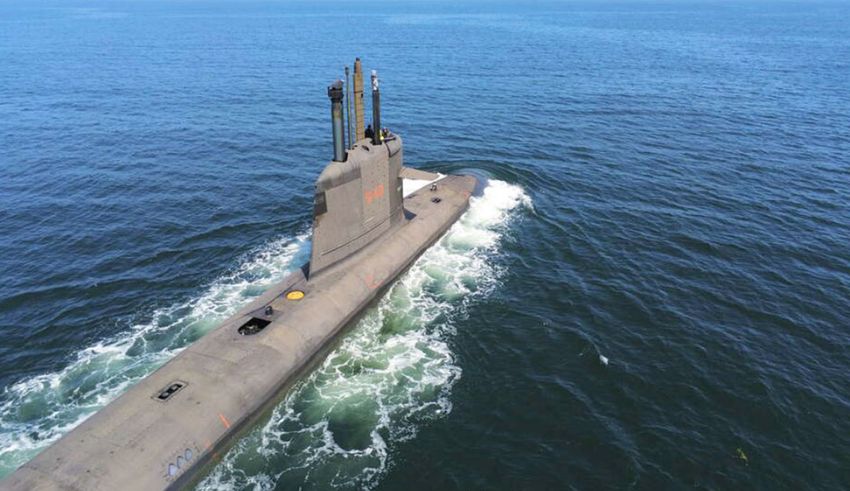
The Philippines is planning to buy its first submarines as part of its military modernization program, which aims to defend its sovereignty and interests in the disputed South China Sea. President Ferdinand Marcos Jr has approved the third phase of the program, which includes the acquisition of two diesel-electric submarines, among other assets and capabilities.
The plan is estimated to cost 2 trillion pesos ($35.62 billion) and will be implemented over a period of several years. The Philippines has received offers from France, Spain, Korea, and Italy to supply the submarines, and is expected to make a decision soon.
The plan reflects a shift in the Philippines’ defense strategy, from focusing on internal security to external defense, as the country faces increasing threats and challenges from China and other actors in the region.
The Rationale
The Philippines has several reasons for investing in submarines, such as:
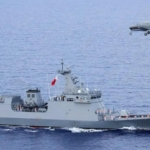
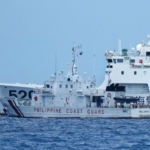
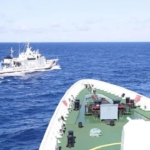
The Philippines is one of the claimants in the South China Sea, where China has asserted its sweeping and illegitimate claims, and has built and militarized artificial islands, violating the Philippines’ sovereign rights and the international law. China has also harassed and intimidated the Philippines’ fishermen, coast guard, and military vessels, and has interfered with the Philippines’ oil and gas exploration and development in the area³. The Philippines needs submarines to deter and counter China’s aggression and expansion, and to defend its maritime territory and resources.
The Philippines has one of the weakest and most outdated navies in the region, despite being an archipelagic and maritime nation. The Philippines relies heavily on its maritime domain for its security, economy, and identity, and faces various maritime challenges and opportunities, such as piracy, smuggling, terrorism, disaster relief, fisheries, tourism, and trade⁴. The Philippines needs submarines to enhance its naval and maritime capabilities and credibility, and to improve its domain awareness, intelligence, surveillance, reconnaissance, and strike capabilities.
The Philippines has been a close ally and partner of the U.S., which has provided the Philippines with security assistance and guarantees, and has supported the Philippines’ position on the South China Sea issue. However, the Philippines has also sought to diversify and balance its defense and diplomatic relations with other countries, especially in the region, to avoid being too dependent or aligned with any one power, and to pursue its own interests and autonomy⁵. The Philippines needs submarines to diversify and balance its defense and diplomatic relations, and to cooperate and coordinate with other countries that share its concerns and values, such as the ASEAN, Australia, Japan, and India.
Keep Reading

The Impact
The Philippines’ investment in submarines will have a significant impact on the South China Sea situation and the regional dynamics, such as:
The investment will increase the Philippines’ deterrence and defense capabilities, as submarines are stealthy and lethal platforms that can operate in the contested and congested waters of the South China Sea, and can pose a credible threat to China’s surface and subsurface assets. The investment will also increase the Philippines’ confidence and resolve to stand up to China’s coercion and pressure, and to assert and protect its rights and interests in the area.
The investment will affect the Philippines’ relations and interactions with China and other countries, both positively and negatively, depending on the perspectives and responses of the Philippines and other countries.
The investment could either improve or worsen the relations and interactions, by creating or reducing the trust and confidence, by opening or closing the channels and opportunities, and by enhancing or undermining the cooperation and coordination. The investment could also either increase or decrease the tensions and conflicts, by provoking or deterring the reactions and countermeasures, by escalating or de-escalating the situations and crises, and by resolving or complicating the issues and disputes.
The investment will influence the outcomes and prospects of the South China Sea situation and the regional order, both directly and indirectly, through the impacts and effects of the investment on the actors and the factors involved in the situation and the order.
The investment could either advance or hinder the peace and stability in the South China Sea, by supporting or opposing the rule of law and the freedom of navigation, by challenging or enabling the status quo and the balance of power, and by changing or maintaining the trends and the developments. The investment could also either facilitate or complicate the integration and cooperation in the region, by contributing or detracting from the common security and prosperity, by aligning or diverging from the shared interests and values, and by strengthening or weakening the regional institutions and mechanisms.