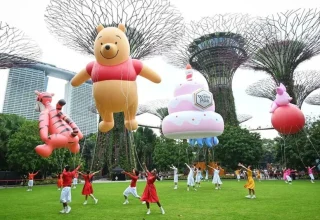

Singapore has changed from a busy port into a “City in Nature.” It combines high-density living with abundant greenery. This transformation, based on forward-thinking policies, makes it a model for urban sustainability around the globe.
What Makes Singapore a Green City?
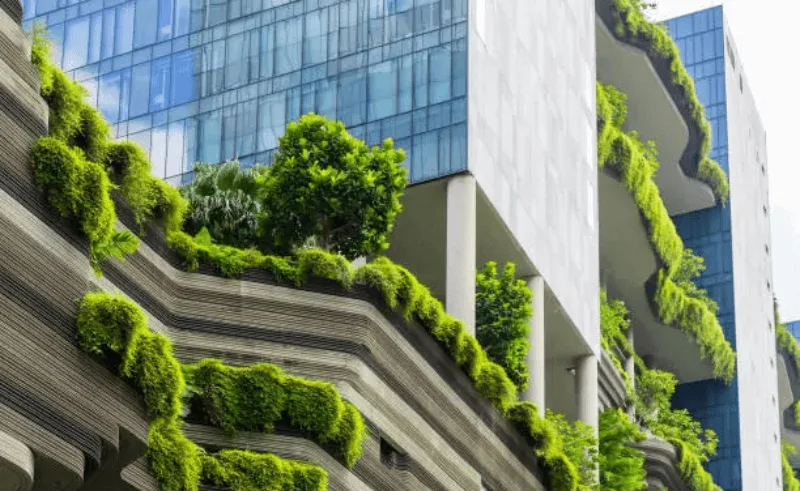
Singapore has 48% green coverage, featuring parks and nature reserves that help reduce urban heat and increase biodiversity. This concept started with Lee Kuan Yew’s “Garden City” vision, which includes trees, vertical gardens, and sky bridges in everyday life. These elements improve air quality, increase flood resilience, and enhance the well-being of residents in a land-scarce country.
Singapore Green Plan 2030 Explained
Launched in 2021, the Green Plan 2030 is a national roadmap with five pillars: City in Nature, Sustainable Living, Energy Reset, Green Economy, and Resilient Future. It aims to plant one million trees, expand parks by 1,000 hectares, and reach net-zero emissions by 2050. Supported by collaboration between ministries, it encourages community involvement for lasting change.
Major Sustainability Initiatives in Singapore
Key efforts support sustainability in Singapore through green buildings certified by the Green Mark scheme. These buildings cut energy use with natural ventilation and daylighting. Urban green spaces grow with 370 km of park connectors. Sustainable transport includes electric vehicle incentives and an extensive MRT network. The adoption of renewable energy, such as solar panels, improves efficiency.
Urban Planning and Green Infrastructure in Singapore
As a sustainable city, Singapore is good at smart planning. It integrates parks into high-rises and includes nature reserves like Bishan-Ang Mo Kio for flood control. Eco-housing in Tengah has automated waste systems and pedestrian zones among the forests. This nature-first approach supports strong, healthy urban development.
FAQ
1. Why is Singapore considered a green city?
Its 48% green cover, innovative Green Mark buildings, and connected park networks make it a liveable oasis despite density.
2. What is the Singapore Green Plan 2030?
A 2030 strategy with five pillars to integrate nature, cut emissions, and build resilience, including one million trees and expanded greens.
3. How does Singapore promote sustainability?
Through eco-infrastructure, renewable energy pushes, green transport, and public-private collaborations for a net-zero future.