









As of April 15, 2026, the powerful storm Sinlaku, once the strongest weather system of the year, is not expected to directly impact the Philippines. Philippine Atmospheric, Geophysical and Astronomical Services Administration(PAGASA) said that the typhoon has already subsided, and it is already out of the Philippine Area of Responsibility (PAR).
This news has been a relief to most Filipinos particularly after Sinlaku rapidly intensified this week. Although it had a previous Category 5 strength, it will not be hit directly according to current predictions.
Current Location of Typhoon Sinlaku
Sinlaku is at present near 2,550 kilometers east of Central Luzon, which slowly pulls to the north towards Japan. Meteorologists affirm that the system has subsided to a typhoon which has lower wind speeds than when it had lasted.
The direction of its movement towards the Philippines indicates that it is not heading towards the country, thus reducing risks of heavy rain, floods or intense winds affecting the key parts of the country like Central Luzon.
This movement trend is in line with previous predictions that the storm would remain in the open waters once it had formed in the vicinity of the Northern Mariana Islands.
Why Is Sinlaku So Dangerous This Week?
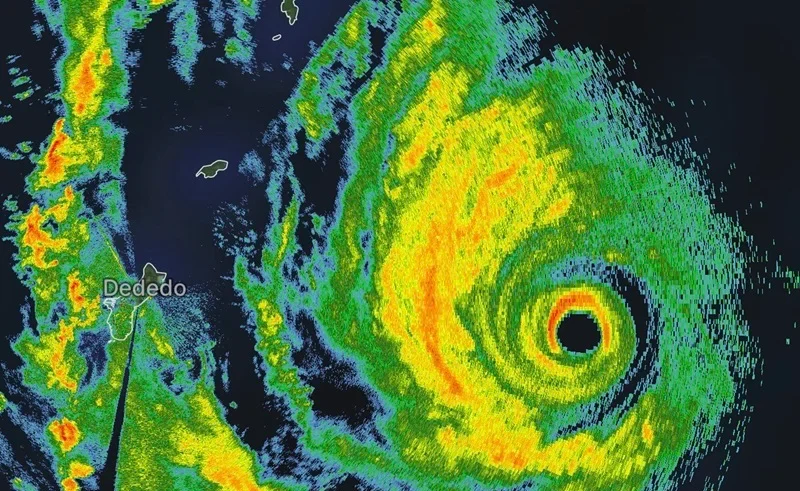
In the previous period, between April 12 and 13, Sinlaku experienced what is known as rapid intensification, among experts. It was within a very period that it evolved as a Category 5 super typhoon which had a speed up to 287 km/h.
The satellite pictures of its pinhole eye went viral on the weather communities, showing just how pronounced the system was. This unusual occurrence is usually associated with warm oceanic temperatures and low wind shear in the Pacific.
Though it has since subsided, Sinlaku is a reminder of the way storms can grow out of proportions in the area.
Outside the Philippines Impact: Northern Mariana Islands
Although the Philippines is safe, Sinlaku inflicted a lot of damage in what is now the Northern Mariana Islands, especially Saipan and Tinian.
Destruction of homes and damages to infrastructure, as well as flooding, have been reported, which is a source of concern to residents and overseas Filipino communities within the area. This shows the real magnitude of the storm- even without hitting the Philippines.
Why It Still Feels Hot: Sinlaku Hideous Impact
Even though Sinlaku is far away, its presence is contributing to extreme heat conditions in the Philippines. The dry, hot air is being drawn by the circulation of the storm, against which the heatwave is continuing.
Heat index has reached up to 45 °C in such cities as Cotabato City, which is in the danger category. This implies that there will be no threat of a storm, yet heat-related conditions like heat exhaustion and heat stroke will be of an increasing concern.
PAGASA Advisory
Not being under a direct threat of a typhoon, the emphasis now shifts to heat safety and awareness. Experts recommend that people should remain indoors particularly during peak times, consume lots of water and unnecessary outdoor contact should be avoided.
Ventilation, light clothing or any other information provided by PAGASA authorities are all essential. Though it does not rave, the present weather conditions may still be of severe health hazard.
Stay Prepared With Latest Weather Alerts!
Who Is Responsible After Typhoon Carina?
Explore causes behind the disaster impact.
How Severe Is Typhoon Shanshan In Japan?
Check evacuation updates and storm alerts.
Is Cyclone Vaianu Hitting Philippines Soon?
Discover latest weather trends and facts.
Are Heatwaves Affecting Asia Delivery Workers?
Explore impact on workers and stress.
How To Stay Cool Without AC Malaysia?
Check simple tips to beat heat.
Conclusion
Although Typhoon Sinlaku is a needle in the grass in the region, this recent forecast by PAGASA indicates that the Philippines will not be in the path of the hurricane. The storm weakens and passes bringing the country out of severe weather conditions.
Yet, the effect should not be neglected, though they are indirect and record-breaking heat. Keeping up to date and exercising heat precautions is equally vital as storm preparation particularly during extreme weather periods such as this.
FAQs
Will Sinlaku enter the Philippine Area Responsibility (PAR)?
No, Sinlaku will not go to PAR and is drifting more towards Japan than the Philippines.
Will Sinlaku cause rain or thunder in the Philippines?
None of Sinlaku is expected to pose any threat in the form of rain or storm because the country is too distant.
So, why is it so hot here in the Philippines now?
Sinlaku is sucking dry and warm air, thereby worsening the heatwave that is being experienced in a number of regions.
Which areas are most affected by the heat?
Such areas as Cotabato City and other Mindanao areas are reporting danger-level heat index.
Does Sinlaku pose a threat to the Philippines?
It is not a direct threat, but there may be indirect consequences such as excessive heat that may affect the population’s health.