









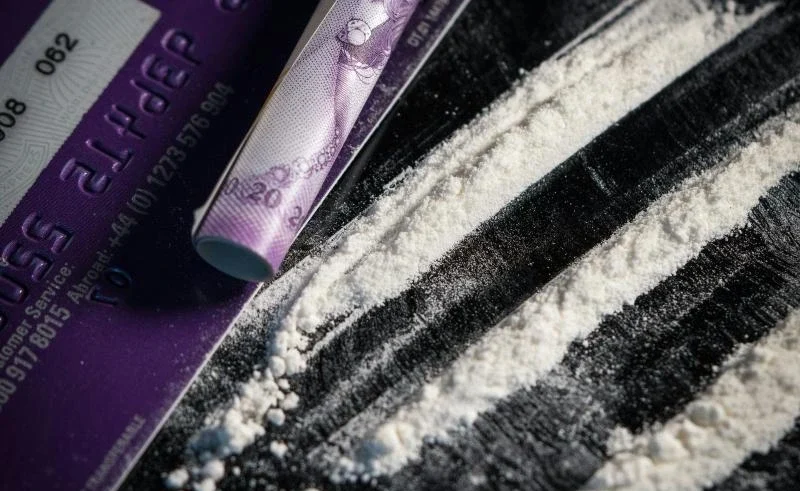
The Southeast Asia drug crisis is no longer just a policing issue. It is a growing public health and security challenge driven by large supplies of methamphetamine, changing trafficking routes and organised crime. The scale of the problem raises an urgent question: can governments keep pace with a trade that continues to expand?
Record Drug Seizures Reveal the Scale of the Crisis
The United Nations Office on Drugs and Crime (UNODC) reports that a record 236 tonnes of methamphetamine were seized in East and Southeast Asia in 2024, an upsurge of 24 per cent from 2023. The region’s total was 94 per cent of the world total, with 221.2 tonnes coming from Southeast Asia. About 200 tonnes were captured by the five Lower Mekong countries (Cambodia, Laos, Myanmar, Thailand and Vietnam).
These figures are indicative of the extent of trafficking but seizures do not reflect the quantity of drugs available on the market.
The Golden Triangle Remains a Major Concern
The Golden Triangle region (Myanmar, Laos and Thailand) is an important region of concern. Myanmar’s Shan State has now emerged as a key hub for the manufacturing of synthetic drugs. UNODC reported that the conflict and governance problems have led to a decline in enforcement efforts, while providing opportunities for drug production and trafficking in the region.
Criminal networks also modify their operations in response to law enforcement efforts, developing new pathways and techniques to evade the law. This can force traffickers to choose another route to stop shipments instead of stopping them.
The Human Cost Goes Beyond Crime
The consequences reach far beyond border checkpoints. Methamphetamine use can damage physical and mental health, strain families and communities, and increase demand for health and social services.
UNODC’s 2026 World Drug Report identifies methamphetamine and other amphetamine-type stimulants as the leading substances for which people seek drug treatment in East and Southeast Asia. However, gaps in regular data collection make it difficult to measure the full scale of drug use and related harm across countries.
Why Arrests Alone Will Not Solve the Problem
Drug seizures and arrests are important, but they cannot tackle every part of the crisis. Governments need to share intelligence, track the chemicals used in drug production, investigate criminal profits and strengthen cooperation across borders.
Prevention and affordable treatment must also become priorities. People struggling with drug use need access to appropriate care and long-term support, not only punishment.
A Regional Problem Needs a Regional Response
Southeast Asia’s drug trade crosses borders, adapts quickly and affects communities in different ways. No single country can solve the problem alone.
The record seizures are a warning, not proof that the crisis is under control. Governments must combine stronger law enforcement with public health services, reliable data and regional cooperation. Without this broader approach, the trade may continue to shift while the harm remains.
Recommended Reads
What Did Duterte Say About the Drug War Reward System?
How Dangerous Are Drug-Resistant Superbugs?
Why Did the Philippines Sack 18 Police Officials?
What Happened in Joseph Schooling’s Drug Case?
What Is the ICC Reviewing in the Philippines Drug War?