
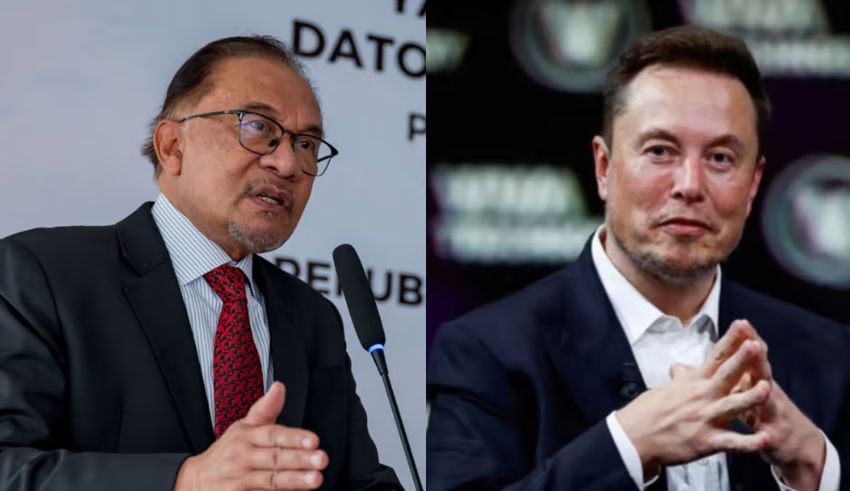
Prime Minister Anwar Ibrahim persuaded Elon Musk to locate Tesla’s regional headquarters in Malaysia, shocking the nation’s commercial and political establishments. This ground-breaking action not only marks a significant triumph for Anwar’s campaign to entice foreign investment but also raises the possibility of an impending change in the nation’s economic climate. The exclusion of Tesla from local equity legislation and import licensing requirements raises concerns about the nation’s long-standing economic policies and may provoke a clash with powerful commercial interests.
In the face of stiff competition from Indonesia, Elon Musk’s choice to locate Tesla’s regional headquarters in Malaysia is a watershed moment for the Southeast Asian country. Tesla is free from following the long-standing local equity regulations, which require indigenous communities to maintain a minimum of 30% shareholding in foreign businesses, thanks to Anwar Ibrahim’s negotiations with Musk. Additionally, the convoluted Approved Permit (AP) import licensing procedure won’t apply to Tesla’s imported vehicles made in China’s Shanghai site.
For many years, Malaysia’s economic structure has depended mainly on the local equity regulations and import licensing system. Financial experts have frequently criticised these rules for discouraging foreign investment and driving up corporate prices, which raises living expenses for locals. Anwar’s concessions to Tesla show how necessary change is and may open the door for similar discussions with other international businesses. This action also creates the possibility of a conflict between Anwar’s administration and influential business organisations that have benefited from the current system.
The import license system in Malaysia, which was first implemented for primary food products, was expanded to include imported vehicles in the middle of the 1970s. This action enticed ethnic Malays to enter the auto-distributing industry, which was dominated by foreign-owned and Chinese-owned businesses. The AP system gained a reputation over time for being used to reward enterprises connected to the ruling party and manipulate politics. The Tesla deal provides insight into the background of these actions and how they have affected the economy over time.
Keep Reading

Malaysia’s economy has an uncertain future due to the expected conflict between Anwar’s administration and significant business organisations. Anwar may be better positioned to enact reforms due to the declining political clout of some factions, such as the UMNO. However, given the employment prospects it offers and its significance to Malay enterprises, eliminating the entrenched import license system could not be simple.
The decision by Tesla to locate its regional headquarters in Malaysia sends a clear message about that nation’s openness to global investment and development. The conversations between Prime Minister Anwar Ibrahim and Elon Musk have paved the way for economic change and challenged ingrained habits that have shaped Malaysia’s economy. The conclusion of this initiative could have significant repercussions on Malaysia’s economic trajectory and political environment, which is at a crossroads over economic change.