









Mpox, which used to be called monkeypox, spreads through close contact, droplets, or things that are dirty. Since the 2024 outbreaks, health agencies in Singapore, such as NCID and MOH, have been keeping a close eye on Clade I/II variants. Most cases are mild, but kids, pregnant women, and people with weak immune systems are more likely to get sick.
Early detection stops the spread; symptoms are like the flu before the rash shows up. One of Singapore’s rules is that polyclinics must do quick tests.
Early Symptoms
Fever comes first, and it usually comes with chills, headaches, and sore muscles. After that, you have back pain and feel tired. Mpox is different from chickenpox because it causes swollen lymph nodes in the neck, armpits, or groin.
These happen 1 to 3 days before the rash and last for 5 to 13 days in total. Most of the 2026 cases in Singapore report a mild fever first.
Rash Progression
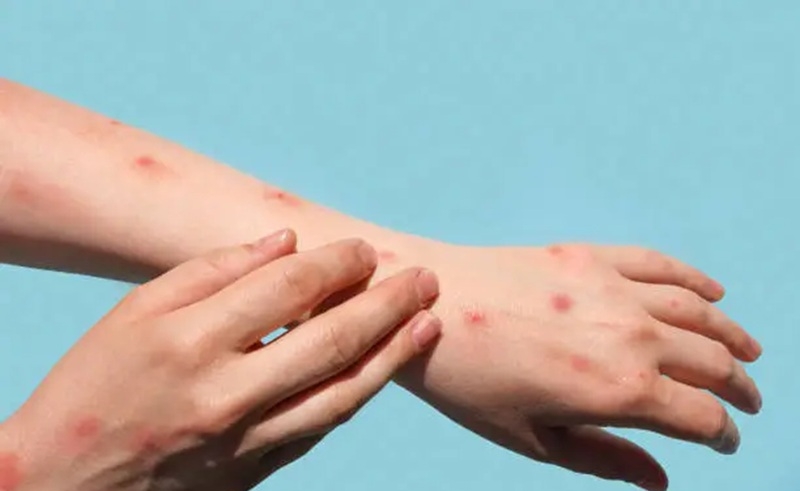
Rash starts on the face and spreads to the rest of the body (centrifugal), hitting the palms and soles in 75% of cases. It changes from flat maculopapular spots to raised papules, fluid-filled vesicles, pustules, and finally scabbed crusts.
Clade II usually only has a few lesions on the genitals or groin that don’t spread. In 2 to 4 weeks, lesions will crust over. Don’t touch them to stop the spread. Singapore has mostly localized rashes.
High-Risk Signs
Be on the lookout for breathing problems, eye lesions, or mouth sores that could mean problems. In severe cases, secondary infections or pneumonia can happen. This is rare but deadly in 1–10% of cases worldwide.
If you have a rash near your eyes or genitals or if your symptoms get worse after being exposed, go to the doctor right away. Young kids and pregnant women are at risk in Singapore.
Prevention Steps
Stay away from people who are sick and wear masks in crowds. NCID has vaccines like JYNNEOS for people who are at risk. Wash your hands, cover your lesions, and stay away from others if you are exposed.
Singapore’s steps: screening at the airport and tracing contacts since Clade I alerts. No routine vaccinations for everyone, but high-risk people get them first.
When to Act
If you have symptoms or have been exposed, call 1163 or go to the clinic. Stay at home; the MOH will tell you how to quarantine. Most people get better in 2 to 4 weeks with supportive care like pain relief and hydration.
Don’t take medicine on your own; hospitals can give you antivirals like tecovirimat for severe cases.
FAQs
1. What if I spot mpox symptoms in Singapore?
Contact doctor or hotline immediately; test confirms. Isolate to protect others. Mild cases self-resolve.
2. Is mpox airborne like COVID?
Mainly close contact or droplets; not sustained airborne. Respiratory symptoms are possible in some.
3. Who qualifies for mpox vaccine in Singapore?
High-risk: healthcare workers, MSM, travelers to outbreaks. Check NCID eligibility.
4. How long is mpox contagious?
From symptom onset until all scabs fall off (2-4 weeks).
5. Mpox vs chickenpox?
Mpox has lymph swelling, slower rash; chickenpox itches more, no nodes.
6. Current Singapore risk in 2026?
Low but monitored; Clade I imports possible. Stay vigilant.
Don’t Miss These Important Updates
Check Filipinos with COVID symptoms onboard?
Explore latest updates from the cruise ship case.
Discover Singapore’s future growth job strategies?
Check key plans shaping economy and employment.
Explore Singapore Airlines A380 major route?
Discover details of world’s busiest route upgrade.
Check tips to avoid heat stroke?
Explore simple ways to stay safe in heat.
Discover how to stay cool naturally?
Check smart hacks to beat heat without AC.