









Before departing for the airport, one of the first things travellers will do after arriving in Southeast Asia is purchase a SIM card. But, many experienced travelers have now started avoiding the airport kiosks as a result of uneconomical pricing, less package availability at the kiosks, and the hassle of standing in the big queues after their flight.
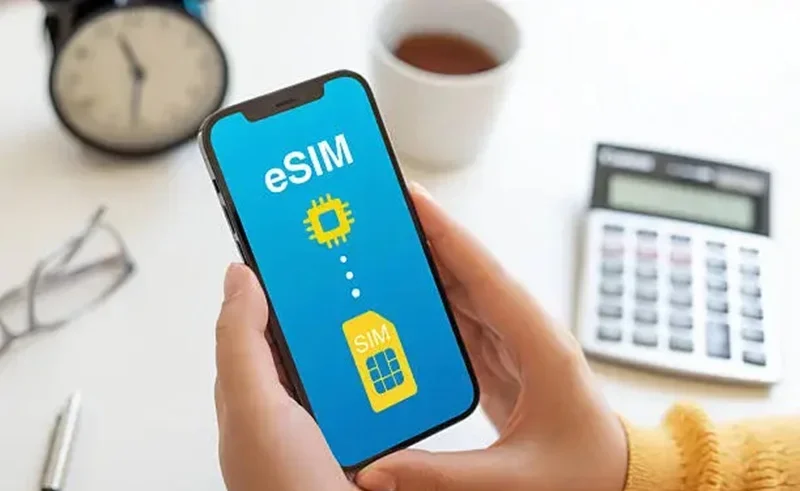
Rather, region-wide eSIMs have emerged as the go-to solution for backpackers, digital nomads, and holiday goers visiting a number of nations within one journey. Having only a single QR code installed before leaving the country, travelers will be able to receive uninterrupted mobile data in the Southeast Asia destinations.
Why Do Airport SIM Cards Often Cost More Than They Should?
Airport SIM counters have an up-and-up fee for convenience. They do offer instant connections and sometimes travelers pay a lot more than they would pay online for a somewhat comparable or much better information bundle.
Aside from the expense, buying a physical SIM card typically entails passports being registered, delays in activation and waiting in cramped arrival halls. These additional steps can be frustrating for travellers with busy itineraries, or those who arrive on domestic flights.
Unlike a SIM, when you use an eSIM you don’t have to go to a retailer to buy it, or deal with the inconvenience of a locked phone with just a single provider’s logo on its SIM slot. After the plane touches down the phone automatically joins the nearby partner network that enables passengers to book travel, navigate maps or query hotels as soon as they arrive.
What Makes a Good Southeast Asia eSIM?
The lowest price is not always the best regional eSIM. When comparing travel services, travelers should consider network quality, country coverage, data allow, validity period, as well as any travel benefits provided by the network.
For air travellers travelling from more than one country, it may be the more cost effective option to have an international solution (a multi-country plan) over purchasing individual SIM cards in each country visited. Major providers also tie up with high quality mobile carriers that guarantee uninterrupted 4G and 5G roaming in the region.
Ezy eSIM
Ezy eSIM cards are among the best in terms of cost and network coverage for those who stick to the top tourist hot spots. Asia’s regional package is in seven other main countries around the region, such as Thailand, Malaysia, Indonesia, Vietnam, Cambodia, Singapore and the Philippines.
Angelo’s most promising plate-spinning clever trick is its relationship with the top local carriers like Telkomsel and Viettel. They’re famous for providing coverage even in remote areas, and the Ezy eSIM may be a reliable choice for those looking to venture into locations that lack traditional GSM networks, such as Ubud, Nusa Penida or Northern Vietnam.
Jetpac Travel
For digital nomads, Jetpac has become more popular because of its travel-related benefits. It has large allowances of data or internet use along with complimentary airport lounge access if the eligible flights are delayed beyond the indicated time in Southeast Asia.
The travel services list of the provider also remains available after you’ve run out of data, including navigation and messaging service. This is especially helpful when travelling with several connections or with an irregular travel pattern in terms of arriving and departing times, which is why Jetpac is particularly useful for travelers with multiple layovers.
Airalo
Airalo is undoubtedly one of the most popular brands in the global eSIM industry. It has an Asialink package that covers 18 countries in Asia – it’s great for travellers who want to see the best of Southeast Asia as well as the likes of Japan, South Korea or Taiwan.
Its innovative mobile app, hassle-free installation and loyalty program have been a hit with air travelers who travel to multiple destinations regularly. People who continuously buy plans can also get points for future eSIM buys.
Holafly
Those people who frequently send videos or live streams or have online conferences can benefit from the unlimited data plans offered by Holafly for its higher cost.
Unlike loads of rivals Holafly will not have any limitation around internet data use during the validity period, so there is no need to keep tabs on your data while in effect. Although it might be available in an 8/5 plan slab, hotspot sharing is one of the most popular options suited for those who work remotely or are content creators who rely on constant internet access.
Thailand Updates You Should Know
How Fast Is Thailand’s FastPass?
Discover how new approvals are speeding up.
Can You Avoid Airport Delays?
Check out the latest e-Visa application steps.
Why Are Tourists Being Deported?
Learn the rules visitors must follow.
Why Are Indians Choosing Thailand?
Explore the boom in destination weddings.
What Ended Thailand’s Subsidy Program?
Uncover the reasons behind the policy shift.
What eSIM is the best to use?
For those who can skim out the lowest possible price for only travelling to Southeast Asia, Ezy eSIM is the best overall value. Airalo will be suitable for staycations or longer trips that span multiple countries including outside Southeast Asia, whereas those willing for additional travel privileges might favor Jetpac’s lounge facilities.
For those that use a ton of mobile data on a daily basis, however, and don’t want to pay a higher price for the privilege of unlimited data, holafly is the better option.
FAQs
Do eSIMs cost less than an airport SIM?
In many cases, yes. Internet-based regional SIMs can also be cheaper than airport SIMs as they don’t include the convenience fee over and above their underlying rates.
Is it possible to have multiple eSIMs that function in different Southeast Asian nations?
Yes. Most vendors do have regional plans that mirror a local network of partners in any country including Thailand, Malaysia, Indonesia, Vietnam, Singapore, Cambodia and Philippines, without the need to request another SIM.
Is there some method where I can activate an eSIM without the Internet?
Typically, you will require internet access during the initial installation. Hence, most travelers set up and activate their eSIM before traveling abroad or when connected with the airport Wi-Fi before they depart.