










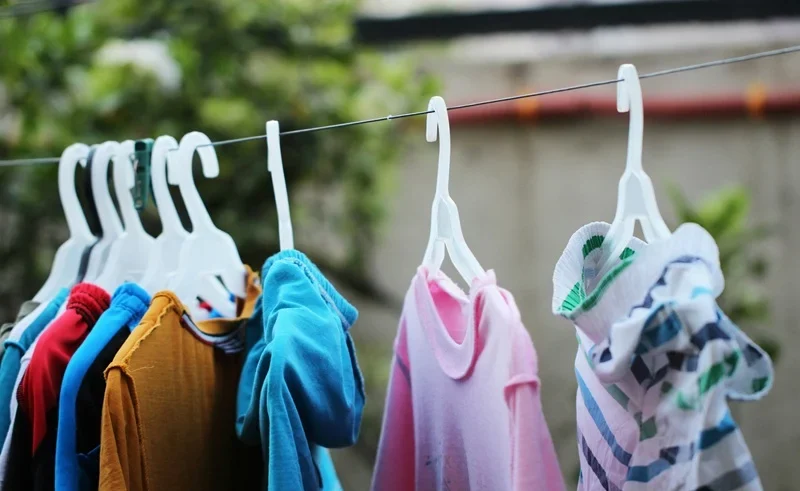
While the monsoons are a welcome relief from Thailand’s heat, they make one of the biggest household problems: Keeping things smelling and looking fresh and keeping mold from growing on clothes. Little sunshine, high air moisture and more rain during the rainy season make laundry drying very difficult. This makes it easy for damp fabrics to end up with mold, bad smells and difficult stains.
This is a common issue amongst many homes each rainy season, particularly in apartments and condominiums with no room to dry outside of these units. Luckily, the mold on clothing is not always difficult to eliminate with high cost cleaning products. With a few inexpensive household supplies and proper laundry procedure, you can save your clothes and prevent them from getting mouldy.
Why Do Clothes Develop Mold During Thailand’s Rainy Season?
Mold grows in dark, damp, insufficiently ventilated and warm settings. Clothing can continuously be damp for long periods of time in Thailand from rain and humidity during the rainy season. Fungi start growing in damp clothes within a few hours when they are left in the laundry baskets or closed clothes closets.
Black or white spots on the leaves, accompanied by the characteristic musty odor of these spots, is the first symptom. If not cleaned, the mold penetrates the cloth further, difficult to remove and may ruin the clothes.
Step 1: Remove Loose Mold Before Washing
If possible, place clothes that are covered with mold outside prior to machine washing. This will keep mold spores from flying around in your house.
Use an old, dry stiff toothbrush and a face mask to gently brush away visible patches of mold using gloves. It can minimize the risk of airborne spores landing on furniture, carpets, or other clothes while cleaning outdoors.
Step 2: Place Clothes in White Vinegar solution
One of the best give and take mold and musty smells in the nature treatments is white vinegar. It has acetic acid that can help kill the fungus, but not harm most fabrics.
Pour boiling water into a basin and add in the white vinegar, 1 to 2 cups. Submerge clothing completely and let sit for an hour or more. This is done in order to neutralize the mold and destroy the odor causing bacteria that may be stuck within the fabric fibers.
Step 3: Treat Stubborn Mold Stains
If the dark mold spots don’t wash off after soaking, create a cleaning paste with fresh lemon juice and table salt.
Directly apply paste to the stain and leave for 5 to 10 minutes before washing. Lemons are naturally acidic, and mixes of lemon and salt also have some abrasive properties which can work to lift discoloration, but are relatively harmless to many washable items.
Step 4: Wash Using the Hottest Safe Water
Spot treat and/or soak these clothes and then rinse with your normal laundry detergent on the hottest water the garment will tolerate per the care label.
Warmer temperatures promote cleaning of any remaining (small) molds and also allow detergents to do a more effective job in removing residual stains and odors from molds. To prevent shrinking or damage, always follow the directions provided by the fabric.
How to Prevent Rain Mold from Returning?
It is easier to prevent mold growth than to get rid of it. A major error during the rainy season is ladies taking rags of clothing indoors into a closed laundry basket as soon as they reach the home.
Instead, hang rain-soaked clothes in a well-ventilated area until you’re ready to wash them. This helps reduce the likelihood of mold development between washings.
Choose Laundry Products Designed for Indoor Drying
There are numerous detergents marketed specifically for the humid weather conditions in Thailand and for drying out inside of the house in Thailand which are sold in the supermarkets. For less aggressive drying, products are marked with the designation “Indoor Drying” or “Anti-Bacterial”, as they will help to control bacteria and fungi from growing as clothes dry more slowly.
These detergents effectively cut musty odors, particularly if it comes to sunlight exposure fewer days in a row.
Improve Air Circulation While Drying Clothes
Drying laundry inside is almost certain to be much more effective with ongoing movement. Use a standing fan right in front of the drying rack, and have it working during drying time. With adequate air circulation moisture will dry quicker and create dry spaces within extravagant articles like towels, hoodies and jeans.
Don’t store wet laundry
Don’t put it in wardrobes or drawers if it is only slightly damp with water. When moisture gets trapped it will allow the mold to erupt throughout the entire closet.
Wardrobes can also use moisture absorbers to regulate the levels of humidity inside during the rainy season in Thailand. They’re cheap and will prevent future outbreaks of mold and mildews in storage areas and help keep your clothes from catching in the mold.
More Smart Travel Tips Before You Go!
Looking Beyond Bali’s Busy Beaches?
Discover untouched Philippine islands perfect for a peaceful getaway.
Can Bali Barter Deals Backfire?
Find out how new visa rules affect content creators.
Why Is Malaysia Winning Travelers Over?
Explore budget perks, better value, and fresh travel upgrades.
Are Hidden Travel Fees Costing You?
Uncover extra charges lurking in Bali and Vietnam packages.
Could Bali’s Influencer Rules Affect You?
Check out what creators must know to avoid visa trouble.