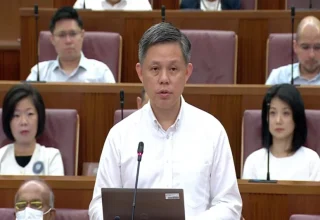











The demand for manpower in Singapore is undergoing a transformation to address ongoing manpower shortages, especially in the technical and service industries. During his official state visit to Dili on July 3, 2026, Prime Minister Lawrence Wong announced a significant change in the country’s labor policies. The young nation of Timor-Leste will officially be part of Singapore’s MOM Work Permit program.
But numerous local business owners find themselves asking the vital work permit question: What exactly are the Timor-Leste NTS Work Permit guidelines, and can Singapore companies legally employ Timorese workers at this time? This guide dissects the official timeline, approved industries, and compliance requirements your business must be ready for.
The Official Timeline: Can You Hire Timorese Workers Today?
The short answer is no, not yet. While the bilateral agreement has been officially finalized, the implementation will not happen overnight.
The Singapore Ministry of Foreign Affairs (MFA) states that Timor-Leste will officially become an approved Non-Traditional Source (NTS) country from the 2nd half of 2027.
This is a conscious buffer window to enable both governments to build robust labour mobility pipelines, validate recruitment processes and ensure training programmes meet Singapore’s high standards in the workplace. Timorese work permit holders are not allowed to make applications until the official launch date of mid-2027.
Approved Sectors Under the Timor-Leste NTS Work Permit Rules
With the introduction of the framework, there will no longer be absolute freedom for Singapore employers to hire for any job roles. Foreign sourcing is tightly managed under the MOM Work Permit framework, according to market needs. Timorese workers will be allowed to work only in certain industries:
- Construction Sector: Recruit building trades workers, scaffolding workers, and general site workers.
- Marine Shipyard Sector: Capable of meeting technical needs for ship repair, maintenance, or marine construction.
- Process Sector: Providing operators for Association of the Process Industry (ASPRI) certified plants.
- Selected Manufacturing and Services Roles: These are specific roles from the standard NTS Occupation List.
The significance of this: It opens increased opportunities for local businesses to recruit a larger, more varied talent pool of youth. This is a good opportunity for both economies, as remittances from overseas workers make up about 10% of GDP in Timor-Leste last year.
Essential Work Visa Guides
Which Jobs Are Off Limits?
Find the restricted roles for foreign workers in Thailand.
How Do Malaysia Work Permits?
Check out the basics before starting your job.
Can You Work Across Southeast Asia?
Explore digital nomad visa options across the region.
How Move To Bali Long-Term?
See the steps to get Indonesia’s E33G visa.
What Does E33G Visa Require?
Uncover the requirements, fees, and processing timeline.
How to Prepare for the New Sourcing Regulations
Although the applications do not open right away, it is important to have forward-thinking HR strategies in line with the standard Timor-Leste NTS Work Permit procedures in advance.
1. Evaluate Sector Quotas and Dependency Ceilings
Restrictions on the Dependency Ratio Ceiling (DRC) in Singapore will still apply to any future hires that are made. To meet the requirements for foreign worker quotas, employers are required to ensure that they have the proper ratio of local employees who earn the Local Qualifying Salary (LQS).
2. Factoring in Levies and Safety Course Mandatory Costs
Specific monthly foreign worker levies are levied depending on the skill level of the workers who come in from NTS countries. In addition, all migrant workers in the heavy industries have to go through compulsory safety training courses before being issued their work permit by the Ministry of Manpower (MOM), including the Construction Safety Orientation Course (CSOC).
FAQs
1. Why did Singapore add Timor-Leste to the NTS list?
The addition helps Singaporean firms diversify their foreign labor pools to mitigate supply chain disruptions. Simultaneously, it allows Timorese citizens to gain valuable technical skills, industry experience, and income to support their home economy.
2. Which other countries are currently on Singapore’s NTS list?
As verified by the MOM Process Sector Requirements Portal, the existing NTS list includes countries such as India, Sri Lanka, Thailand, Bangladesh, Myanmar, the Philippines, and recent 2025 additions like Bhutan, Cambodia, and Laos.
3. Can Timorese professionals apply for an S Pass or Employment Pass now?
Yes. The mid-2027 restriction applies specifically to semi-skilled Work Permits under the NTS framework. Mid-to-high-tier skilled professionals from any global origin can apply for an S Pass or Employment Pass at any time, provided they meet the minimum salary and criteria thresholds.