
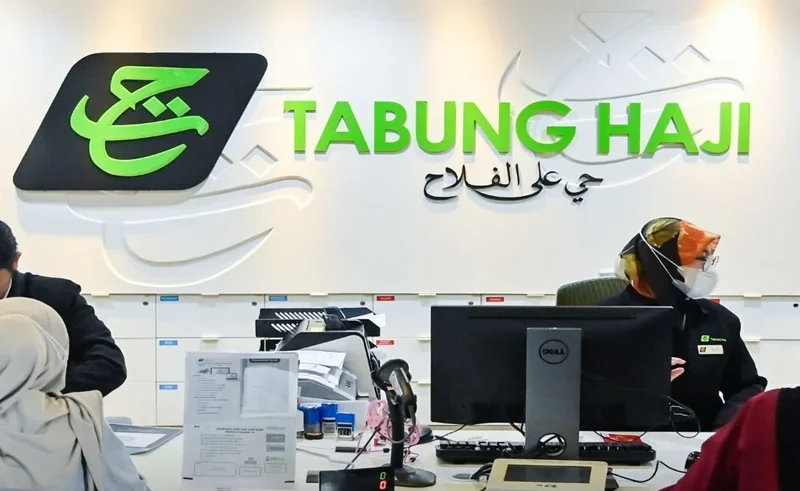
Events leading to the disclosure of the 211-page Royal Commission of Inquiry (RCI) report on Lembaga Tabung Haji have brought into focus the financial and governance issues that plagued the country’s top Islamic pilgrimage institution.
The report highlighted management and operational actions from 2014 to 2020, which included warnings from Bank Negara Malaysia, and concerns surrounding investment and dividend practices. Eventually, the crisis created an asset-liability mismatch of over RM10bn, which led to a big restructuring of the government.
How Tabung Haji’s Financial Crisis Developed
Bank Negara Malaysia allegedly gave several warnings about TH’s financial circumstances between 2014 and 2017. A recurring issue was annual hibah already being collected without adequate reserves, which is not sustainable and thus would mean that there is a net imbalance between the institution’s assets and its liabilities.
Also discussed were proposals for variations to accounting impairment policies. In an independent review, PwC some time after the 2018 government change put the asset liability shortfall between RM10 billion and RM10.9 billion.
Urusharta Jamaah Helped Restore Solvency
On the government side, they had to dispose of the stressed assets by transferring them to a government-owned special purpose vehicle called Urusharta Jamaah Sdn Bhd. Some RM19.9 billion of assets were shifted from Tabung Haji’s balance sheet.
UBS in turn issued RM19.6 billion of zero-coupon Sukuk and RM300 million in cash to the purchaser. Through the restructuring, the balance sheet was made sure to be in balance, but the depositors of TH were not faced with an imminent crisis and the institution’s core business was not cut off.
MACC Probe Adds Accountability
Financial restructuring was part of the solution to the short-term issue and legal accountability was another significant facet of the response. In connection with the investigations the Malaysian Anti-Corruption Commission has also formed a dedicated task force and started 14 investigation papers as searches have been conducted at several premises.
Investigations have included suspected abuse of power, other investments and potential financial misstatements. Other agencies perform their own specific functions, in which the Police come in for suspected offences relating to forged and altered documents, and criminal breach of trust, whilst Bank Negara focuses on reviews of the regulatory and anti-money-laundering situations.
Governance Reforms Change How TH Is Managed
The restructuring included wider-ranging changes which were designed to help prevent the problems occurring again. It is reported that Tabung Haji has begun to put in place about 75% of the 25 recommendations for structures in the aforementioned RCI report.
Specific measures in the reforms include larger requirements for those who hold seats on boards and limits on active politicians holding positions in management, tighter risk controls and tougher financial reporting standards. Hibah distributions also have more rigorous solvency requirements.
Stay updated on Malaysia’s biggest political and economic stories!
Why Did Mat Sabu Accuse PAS?
Check out his criticism over PAS and Guan Eng.
Is Malaysia Facing Crony Capitalism Risks?
Find out why Malaysia ranked third globally.
How Will Malaysia Measure Poverty Better?
Uncover plans to improve poverty measurement methods.
Can Bumi Institutions Deliver Better Results?
See why Anwar is calling for institutional improvements.
Can Quality Jobs Boost Malaysian Savings?
Track down how jobs and investments could raise living standards.
Significance of the Reforms
Tabung Haji rescuing the financial institution was not just about ‘capital injection’. There is a need for governance, transparency, independent oversight and clear accountability along with other factors for depositor confidence.
The ultimate indicator for billions of Malaysian depositors that it has for good reform will be if their money is still safe, and if investment choices are still undertaken with transparency. Restructuring and regulatory oversight and enforcement have contributed to this rebuilding of that trust.
FAQs
What is the reason for Tabung Haji’s financial problems?
There was a linkage between the crisis and losses to investments, distribution of high hibah, accounting and asset liability imbalance which were later realized to go beyond RM10 billion.
What’s Urusharta Jamaah?
Urusharta Jamaah Sdn Bhd is a government owned special purpose vehicle set up to assume control of bad debt of Tabung Haji in the process of financial restructuring.
What are the problems being tackled by the MACC?
The MACC is investigating complaints for corruption, misuse of its powers, suspected financial misappropriation and potentially shady financial transactions.