










China ASEAN Trade Growth picked up in the first nine months of 2026, which reflects the increased economic cooperation between China and Southeast Asian countries. The General Administration of Customs of China (GACC) announced bilateral trade grew 22.7% year-on-year to 6.84 trillion yuan (about $960 billion). The figures are reaffirming ASEAN’s status as China’s biggest trade partner as regional supply chains grow.
China ASEAN Trade Growth Reaches 6.84 Trillion Yuan
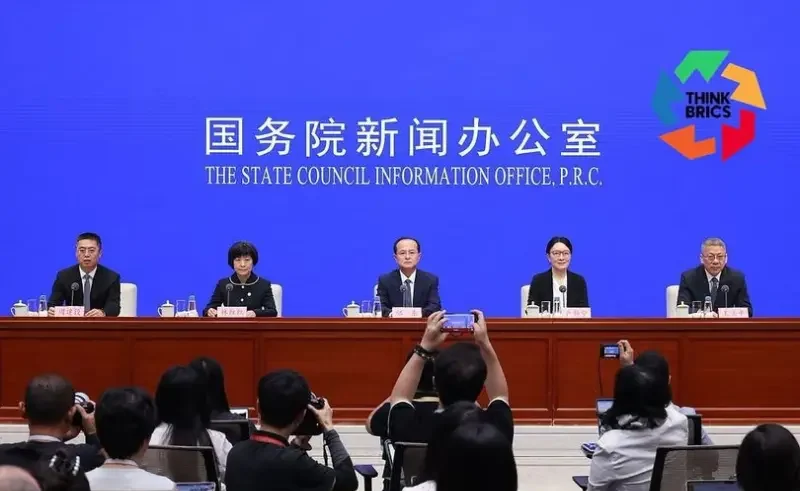
In 2026, China-ASEAN trade of merchandise increased to 6.84 trillion yuan from January to September, exceeding the growth rate of China’s foreign trade at 18.8%. China’s trade with ASEAN took up about 17.1% of the total trade. The data was provided during a briefing on customs on 14 October, revealing the bloc’s increasing significance.
What Is Driving China-ASEAN Trade Expansion?
Geographic proximity, complementary manufacturing industries and better transportation networks are facilitating bilateral trade. The China-Laos Railway has promoted regional connectivity and the demand for intermediate goods is further linking industrial supply chains. Smooth customs clearance and tariff reduction are also seen as key factors driving trade growth.
RCEP Agreement Strengthens Regional Economic Cooperation
The Regional Comprehensive Economic Partnership (RCEP) facilitates trade by using preferential tariff, customs procedure facilitation, and common rules of origin. Trade with other RCEP partners also rose in China, with South Korea and Australia. In parallel, China and ASEAN are working towards greater cooperation in the framework of the upgraded China-ASEAN FTA.
China-ASEAN Trade Outlook and Economic Opportunities
The new figures indicate that the opportunities for manufacturers, logisticians, and exporters are expanding in Southeast Asia. The subjects of digital commerce, sustainability and infrastructure development are other promising fields for future collaboration. Growth may be affected in the balance of 2026, however, due to global demand fluctuations, trade restrictions, supply chain disruptions.
Recommended Reads
How Could ASEAN-Russia Trade Ties Expand?
What Could Trump’s Manila Visit Mean for ASEAN?
Why Is Myanmar’s Return to ASEAN Controversial?
How Vulnerable Is ASEAN’s Energy Security?
Can ASEAN’s Power Grid Meet AI Demand?
FAQs
How much did China-ASEAN trade grow in 2026?
China-ASEAN trade increased 22.7% year-on-year during January–September 2026, reaching approximately 6.84 trillion yuan.
Is ASEAN China’s largest trading partner?
Yes. ASEAN remained China’s largest trading partner during the first nine months of 2026.
How does RCEP benefit China-ASEAN trade?
RCEP supports regional commerce through tariff preferences, customs facilitation, and harmonised trade rules.