










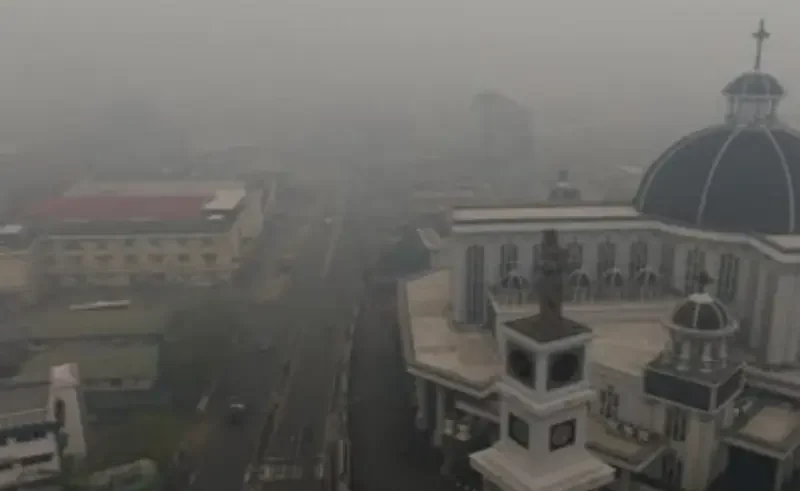
The issue of ASEAN Haze Pollution will come to the fore at the regional meetings in the Philippines in November. Cooperation in Southeast Asia remains a challenge due to forest fires, agriculture burning and air quality, all of which continue. At a time when ASEAN is on the path to realizing a haze-free region by 2030, the upcoming diplomatic talks will be a chance to bolster the environmental commitments and increase regional cooperation.
ASEAN November Meetings Put Regional Cooperation in Focus
Biggest meetings in the ASEAN community are coming to the Philippines in November, such as the 49th ASEAN Summit in Metro Manila. Discussions over environmental collaboration may occur in the context of the broader issues, but haze has not been confirmed as a key agenda item on the summit. The ASEAN transboundary haze agreement conference is published in a different calendar of 21st October in Vietnam.
Forest Fires and Agricultural Burning Threaten Air Quality
The recurring transboundary haze pollution is caused by land-clearing, forest fires and burning of carbon-rich peatlands. Smoke can spread from country to country and impact areas of the world away from its source. The ASEAN Haze Portal serves to elaborate on how regional cooperation can assist in monitoring, preventing and responding to fires.
ASEAN Haze Free Roadmap Targets Cleaner Air by 2030
The ASEAN Haze Free Roadmap 2023 – 2030 provides strategies for reducing fire, enhancing monitoring and improving environmental governance. The governments are urged to coordinate scientific research and encourage sustainable land management. The framework sets measurable targets for reducing haze in the region, says the ASEAN Secretariat.
Stronger Environmental Cooperation Remains Essential
Monitoring, better enforcement and regional coordination to improve air quality management in Southeast Asia are needed. Regional authorities need to provide alternatives for farmers to open burning. The framework of environmental cooperation in ASEAN emphasizes coordinated action as vital to decrease pollution and safeguard public health.
FAQs
What causes transboundary haze in Southeast Asia?
Forest fires, agricultural burning, and peatland fires generate smoke that crosses national borders, creating regional air pollution.
Will haze pollution be discussed at the November ASEAN meetings?
Environmental cooperation remains relevant, but a dedicated haze discussion at November’s leaders’ summit has not been officially confirmed.
What is ASEAN’s target for reducing haze pollution?
ASEAN aims to achieve a transboundary haze-free region by 2030 through coordinated prevention, monitoring, and sustainable land management.
Recommended Reads
Can ASEAN Leaders Finally Close the Haze Enforcement Gap?
Explore Anwar’s call for an ASEAN haze review and whether the Da Nang Summit can strengthen regional enforcement.
Can ASEAN’s Power Grid Handle the AI Boom?
Discover how rising AI-driven electricity demand complicates ASEAN’s plans for a connected regional power grid.
How Bad Are Indonesia’s 2026 Wildfires?
Find out how 95,000 hectares have reportedly burned as El Niño raises concerns about worsening Southeast Asian haze.
Where Are Indonesia’s Wildfires Spreading Toxic Haze?
Learn how fires across Kalimantan and Sumatra are contributing to haze concerns in Malaysia.
Is Severe Haze Returning to Singapore and Malaysia?
Check out the 2026 haze warning, expected peak months and what residents should know about potential air-quality risks.