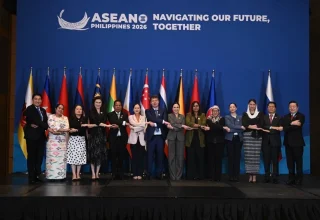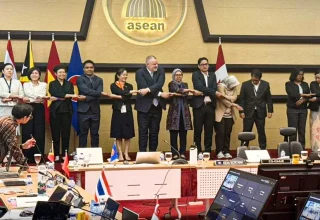










The ASEAN Five-point Consensus (5PC) was adopted in April 2021 as the regional bloc’s framework for addressing Myanmar’s political crisis. It recommends that this violence be stopped instantly, there should be holding of constructive talks among the stakeholders, humanitarian assistance and the appointment of an ASEAN Special Envoy.
A significant hurdle for the mechanism in 2026, however, implies another crisis. Myanmar has responded to the renewed pressure from ASEAN for regime-wide change in the country by saying it has no wish for the Special Envoy mechanism to persist, and is also reportedly blocking calls for Aung San Suu Kyi’s release.
Why Is Myanmar Rejecting the Special Envoy?
Having adopted the electoral transition process and established a new administration, the government of Myanmar does not require the Special Envoy mechanism anymore, the government said. According to Naypyitaw, it is the time to handle political issues using domestic institutions instead of the external guidance from the international community.
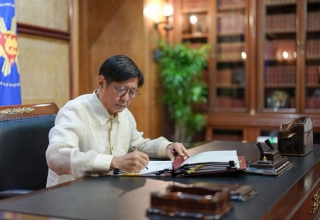
However, the government has been engaging the current ASEAN Special Envoy, Philippine Foreign Affairs Secretary Maria Theresa Lazaro, in 2026. Myanmar, however, has not been willing to renew the mechanism as Singapore will take over the ASEAN chairmanship on January 1, 2027.
Dispute Over Aung San Suu Kyi
A second flash point is ASEAN’s push for more access to political prisoners and her immediate release of Aung San Suu Kyi. The old man, aged 81, is still the focus of international worries surrounding Myanmar’s political transition.
Myanmar has consistently claimed that Suu Kyi’s arrest stemmed from internal lawsuits filed by local courts, such as for electoral fraud and corruption. Naypyitaw denies that they have the authority to decide her status, saying it will be taken on a case-by-case basis within the country’s legal framework.
Myanmar Invokes ASEAN’s Non-Interference Principle
In addition, Myanmar has stressed on the traditional ASEAN values of sovereignty, political independence and noninterference. Naypyitaw says that “if any pressure is continued in the future, it will break these principles, which is why a ‘Myanmar owned and Myanmar led political process’ is called for by them.
This role sheds a light on one of the oldest policy dilemmas that ASEAN faces. The bloc’s consensus-driven mechanism of diplomacy takes a strong stance on respecting the sovereign rights of the country but the Myanmar case is becoming a test for maintaining non-interference while being collectively responsible for regional peace.
What Does the Rejection Mean for ASEAN?
Myanmar’s stance might greatly undermine the ASEAN diplomatic influence. The absence of a steady flow of political engagement between opposition parties and other political actors to the conflict has weakened the Special Envoy’s hand to bring about the dialogue spelled out under the 5PC.
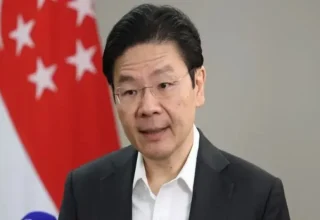
The problem will further become a headache for Singapore’s next term as ASEAN’s chairman next to 2027. The incoming chair might want to think again on the viability of the current consensus and whether ASEAN’s course should be made more flexible in diplomacy.
Explore ASEAN’s Biggest Regional Developments
What Do Indonesia-China Deals Mean?
Check out how maritime agreements could reshape ASEAN relations.
Can the Philippines Balance Regional Pressures?
Find how ASEAN leadership is addressing South China Sea tensions.
Why Does ASEAN Face Myanmar Deadlock?
Uncover the diplomatic challenges surrounding the Five-Point Consensus.
How Could Trump Tariffs Impact ASEAN?
See how tariffs may affect exports across key ASEAN economies.
Which ASEAN Industries Are Growing Fastest?
Explore emerging sectors creating new business opportunities in 2026.
Can the Five-point Consensus Still Work?
The solution to the problem is embodied and created in 5PC, which remains the core mechanism for Myanmar in Southeast Asia countries of the ASEAN, but is largely reliant on the cooperation of Naypyitaw. The uproar over the Special Envoy mechanism shows that perhaps there is a need to combine diplomacy with enhanced regional coordination in dealing with ASEAN.
The line of work for ASEAN is no longer just to maintain the 5PC alive. It’s figuring out how to make the framework relevant without losing the message of sovereignty and consent to one another which drives the regional body.
FAQs
What is meant by the ASEAN Five-point Consensus?
The ASEAN Five-point Consensus was adopted by ASEAN in 2021 to address the issue of violence, dialogue, humanitarian assistance and peaceful political movement toward a resolution in Myanmar.
What do the reasons for Myanmar’s rejection of the Special Envoy mechanism have to do with?
Myanmar has insisted the mechanism is no longer needed after the purported electoral transition, and that political issues should be dealt with within its own legal framework.
What does ASEAN want from Aung San Suu Kyi?
ASEAN is demanding her immediate unconditional release and more access to allow for humanitarian and diplomatic interaction with political detainees.