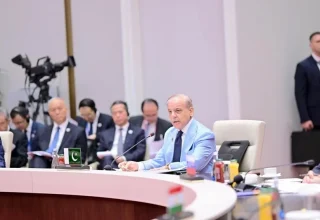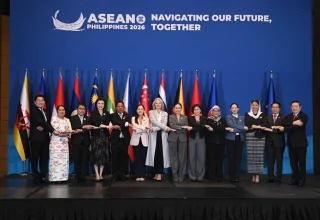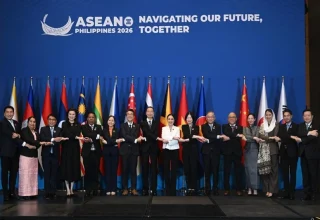










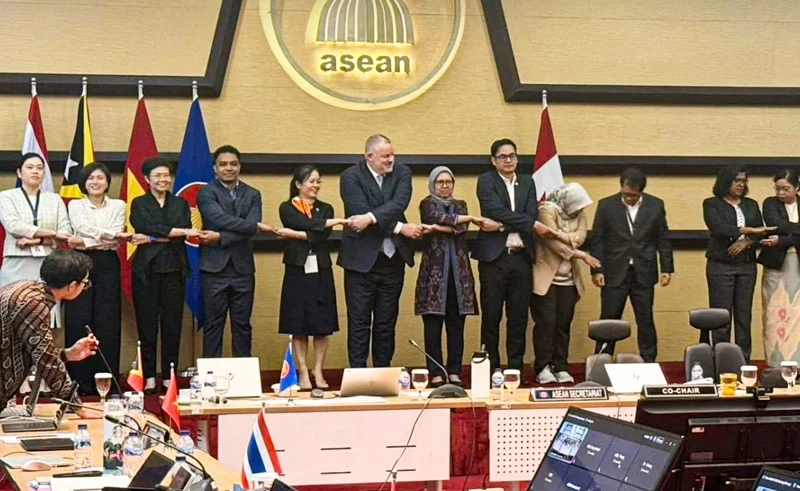
As negotiations with ASEAN progress, Canada and ASEAN are working toward a free trade deal. Ministers at the 15th seminar of ASEAN Economic Ministers – Canada Consultation in Manila on September 22, said that the negotiations for substantive conclusion of the ASEAN-Canada Free Trade Agreement had reached an important stage and were on track for substantive conclusion in 2026.
November Becomes the Key Deadline
The goal is to finalize the treaty by the time the Philippines begins its own chairmanship of the ASEAN in 2026 and Prime Minister Mark Carney comes to Manila in November. This year Canada is also seeking a bilateral FTA with the Philippines.
According to reports, quoting the trade minister Maninder Sidhu that over 90% of the work has been completed. Official ASEAN says they see “significant progress” towards the 2026 declaration deadline. Outstanding provisions remain.
Trade Diversification Takes Center Stage
In the case of Canada, ACAFTA will be one of several programs for diversifying trade and for enhancing the relationship with Southeast Asian markets. Ottawa has identified energy, critical minerals, agriculture and manufacturing as areas to grow.
Canadian market access could be a tool for ASEAN exports, investments and supply-chain cooperation. Adoption of the common trade rules may help to foster regional trade activity.
Energy and Critical Minerals Matter
Energy is a key topic for business. Canada is looking to add more LNG infrastructure to the Pacific side and is talking about energy cooperation with neighbouring countries in the Southeast Asia region. Both Canada and the Philippines have highlighted two areas of cooperation – LNG and critical minerals and clean energy.
A new supply-chain threat may be critical minerals. Support batteries, electronics and clean tech with Canadian resources & ASEAN processing.
Why does the Philippines matter?
This is because the Philippines is the center of the organization with ASEAN having its chair in 2026, hosting the November summit there. Canada and Manila have started a drive towards faster bilateral and regional trade talks and cooperation in energy, food security and critical minerals.
The Canada-ASEAN agreement would expand ASEAN’s current partnerships to the outside world, and provide Canadian companies with a trade tool.
More ASEAN stories to explore
How are ASEAN-EU trade ties evolving?
Check out the latest talks and economic developments.
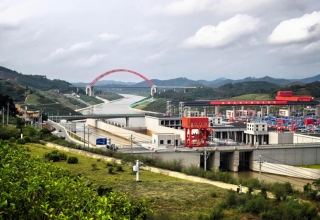
Could Pinglu Canal reshape regional trade?
Find how China-ASEAN connectivity could transform trade.
Can ASEAN balance BRICS relationships?
Uncover Southeast Asia’s approach to global partnerships.
What is ASEAN 2045’s vision?
See plans for a resilient and innovative region.
Where are new green AI hubs?
Explore opportunities emerging across key ASEAN economies.
What Happens Next?
Conclusion will include market access, tariff schedules, rules of origin, services and commitments under regulation. If a political understanding is achieved, it does not necessarily mean the agreement will be signed and immediately implemented.
The Manila consultation is a step forward, not a step forward, and not a step forward. The amount of practical value that ACAFTA will have will rely on the final text and the speed of companies implementing the rules.
FAQs
What is ACAFTA?
The potential free trade pact between Canada and ASEAN is called ACAFTA.
Why is the Philippines important?
In 2026, the Philippines is the ASEAN Chair and will also be the host of the November ASEAN Summit.
What sectors might be benefited?
New market opportunities for agriculture, energy, critical minerals, manufacturing, and services and digital trade may develop.