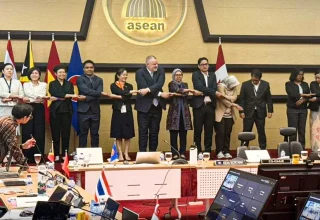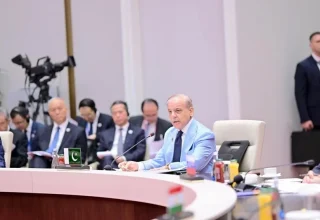










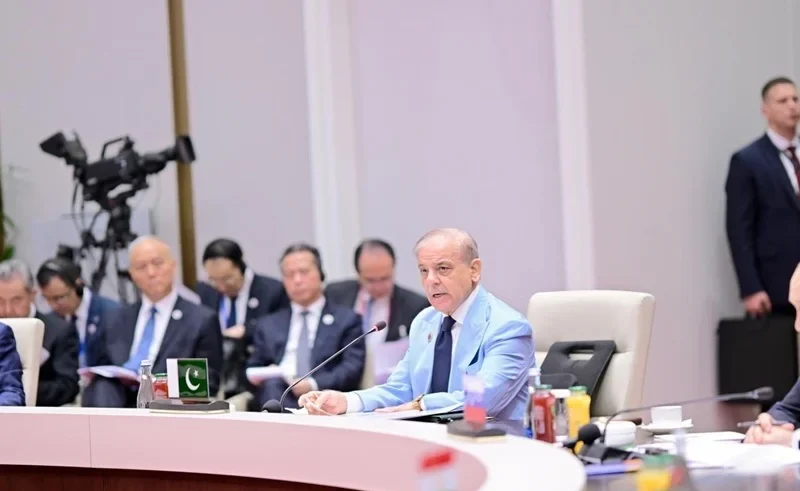
Pakistan is going into a new era in the Shanghai Cooperation Organisation engagement. Islamabad will take over from the Chairmanship of SCO Council of Heads of State in September 2026 and will host the 2027 summit presenting an opportunity for connectivity and economic cooperation. The meeting of the Council of Heads of Government with the member states of the Shanghai Organization was held in Pakistan in 2024.
From Strategic Location to Trade Corridor
Pakistan’s offer is simply that its land links Chinese Central Asian so the Arabian Sea. The quadrilateral traffic through transport agreement is one of the initiatives that connect Pakistan with China, Kazakhstan and Kyrgyzstan and Gwadar points towards becoming a gateway for Western China and Afghanistan for these countries.
Geography is then an economic power when there are reliable and commercially used routes. The ports, roads, rail lines, customs and border crossings should be parts of a single network.
CPEC Phase II Raises the Stakes
The CPEC Phase II is moving towards an industry, agriculture, mineral, techno-business focus. This could help to connect transport routes and production.
That’s where ML-1 fits into the picture. The upcoming extension of 1,733 km from Karachi to Peshawar-Havelian is employed to modernise freight. But for critical sections, financing is a stumbling block, and said connectivity is not real connectivity.
Central Asia Is the Real Test
Marcos should be available in Pakistan’s scenario as a maritime corridor for the economies of the Central Asian region, yet cargo holders select the alternative that is least expensive, more reliable, secure and has fewer and easier customs procedures.
Other corridors too, like the India-Iran connectivity from Chabahar provide other access. Pakistan, therefore, should focus on having commercially viable transit options and not just geographical ones to access these territories.
Security and Finance Will Decide the Outcome
Security risks have the potential to increase insurance premiums, postpone cargo, and deter investments. Several energy projects and proposals depend on the stability of Afghanistan, which makes it significant.
Financing is another challenge to be faced. In August 2026 the Planning Commission of Pakistan announced that a viable financing package, including public private and foreign financing is needed for the Rohri-Multan leg of the ML-1.
More Stories Worth Reading
Why Is China Shielding Iran?
Check out how Beijing is easing Western pressure.
Can India’s BRICS Diplomacy Build Consensus?
Find out how New Delhi secured agreement.
Will China Defy US Oil Pressure?
Uncover Beijing’s stance on Iranian oil imports.
How Could Iran Conflict Affect Pakistan?
Look into Balochistan security and border trade.
Could India Face Higher US Tariffs?
Browse the latest Russia sanctions developments.
What Pakistan’s SCO Role Can Deliver?
What Pakistan has in its hands is not its SCO moment it has allotted itself but its test to demonstrate how SCO’s corridors can run efficiently, reliably and safely. Relations involving transport, energy and trade have been put on the agenda for the chairmanship of 2026-27, and if realized it could mark the realisation of the possibility that geography can represent a commercial opportunity.
FAQs
When will Pakistan host the SCO summit?
In 2027, Pakistan will be hosting the Council of Heads of State, SCO summit.
What is the QTTA?
The QTTA connects Pakistan, China, Kazakhstan and Kyrgyzstan for regional trade via transportation.
What is ML-1?
ML-1 is a long awaited modernization and doubling project for the railway line running from Karachi to Peshawar and extended to Havelian.