









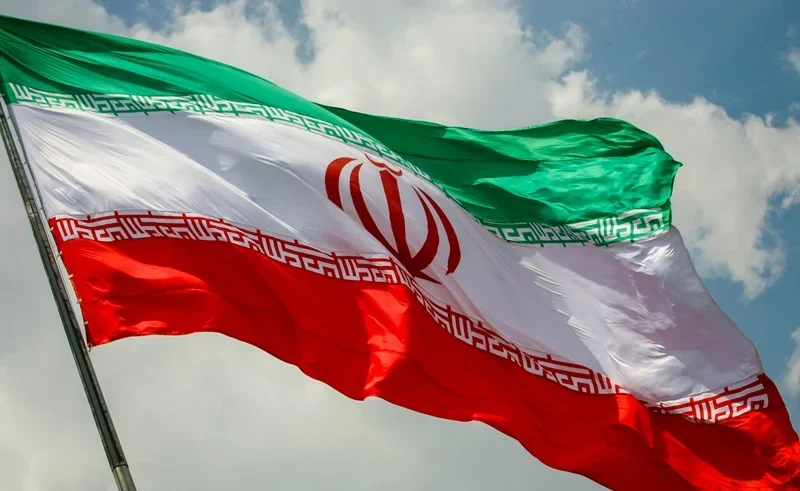
The tensions with Iran are no longer an issue just in the Middle East region. The impact it has wrought is now being noticed on Pakistan’s western frontier, in particular, the Pakistani Balochistan which is deeply interdependent with developments on the 900-kilometers-long border. Islamabad is facing a bilateral challenge along different lines than just diplomatic issues and more of a domestic security one.
Regional conflicts are not always regional. Border Provinces are often the first to take a hit from the political, economic and humanitarian effects when a neighbouring country is facing a prolonged period of instability.
Balochistan Faces Growing Security Risks
The immediate worry is if any militants could take advantage of the lowered security along Iran’s eastern border. Iran’s guard forces may divert more forces to defending national security and regional tension in Sistan-Baluchestan, which could result in decrease of the surveillance capabilities.
Groups like the Baloch Liberation Army have long held a place in the border region, attacking Pakistani security forces and related infrastructure to the China-Pakistan Economic Corridor. If monitoring at the border is relaxed then the volume of crossing out / in from these countries may increase and the nature of the crossing may be enhanced too as Pakistan is already facing a challenging security scenario.
Sectarian and Humanitarian Pressures
Security issues don’t just have to be about militant activity. Many people are already displaced by the conflict and recently acknowledged increases in the number of undocumented migrants crossing to Balochistan from Iran may further impact local and municipal services, especially the health and water sectors.
Pakistan is further divided by sectarian polarization in the uprising and down which happen in the Middle East. Events and political organization associated with regional conflicts have been important markers for the role of external crisis on social cohesion at home, in a nation like India that has religious minorities.
Border Trade and Local Economies Under Pressure
Formerly the wishes of Pakistan and Iran had been to increase formal cross border trade. But border closures and security measures impacting the zone periodically hinder all the investments and efforts made in that direction. For the communities on the frontier line these disruptions are much more than short-term diversions; they have an impact on the household income.
Informal cross border trade activities, such as movement of subsidized Iranian diesel in the Sookhtbar market too, are common among many families in Balochistan. Strengthening the border and disruptions to supplies are threatening these income sources and adding to low-level communities’ low economic opportunities.
Rising Energy Costs Add National Challenges
Imported crude oil and LNG are a big matter for Pakistan. If traffic accidents prevent ships from navigating through the Strait of Hormuz, it will have a rapid impact on the cost of gasoline at home. The higher transport expenses extend through all parts of the agricultural, industrial, and consumer markets not only as costs but, inevitably, as inflationary pressures in an economy under structural pressures.
Again, this is an indication of how regional security crises are now a driver of economic resiliency even for countries not frontline combatants.
Stay Informed on Global Affairs
How Is UAE Building Peace?
Discover the UAE’s humanitarian diplomacy efforts.
Why Does UNHRC Resolution Matter?
Check out the global response to Iran strikes.
How UAE Supports Global Relief?
Find ongoing humanitarian aid during conflicts.
What Is Trump’s Iran Strategy?
Look into its impact on the Middle East.
Will Ceasefire Talks Bring Peace?
See the latest Israel-Hamas negotiation updates.
Diplomacy Becomes a Strategic Necessity
Pakistan’s stance has been aimed at enhancing cooperation, rather than further tensions. Despite uncertainties in the region, Islamabad and Tehran are engaging in talks to keep border management cooperation functional, move forward with counter-terrorism cooperation, develop a strategy regarding refugee management and ensure the continuity of trade relations.
The investment in the Taftan route is part of a broader move to strengthen land-based transport links, and bolster reliance on less susceptible maritime supply routes. But political involvement from both sides is needed to maintain them.
FAQs
What was the reason Balochistan was vitally concerned during the Iran conflict?
Balochistan has a long porous border with Iran and the spillover from security threats, refugee migration, and cross-border trade are possible risks as security gets brewed on the border between the two nations.
What would be the implications of the conflict for Pakistan’s security?
Improved-known as reduced security operations on Iran’s eastern border may prove to open up opportunities for militants to ratchet up cross-border activities, which could lead to a higher level of infiltration of Pakistan’s security forces and strategic infrastructure.
How does the conflict affect trade with the border?
Formal trade and informal trade (which supports many families in Balochistan) will be negatively impacted when heightened security measures and temporary closures of borders result in loss of income and impact on local economies.