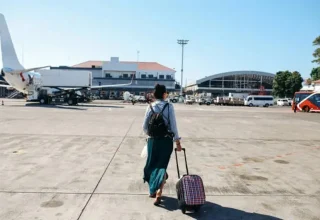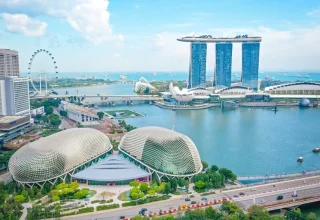


The recent report from SCMP highlighting the decline in Chinese tourists opting to stay home, thereby impacting Southeast Asia’s economic recovery, sheds light on the challenges faced by the region’s tourism industry. This development underscores the need for diversification, adaptability, and collaboration to mitigate the impact and foster sustainable growth.
Chinese tourists have been a significant driving force behind Southeast Asia’s tourism industry in recent years. Their absence due to factors such as travel restrictions, safety concerns, and changing travel preferences has had a noticeable impact on the region’s economic recovery from the pandemic-induced slowdown.
The decline in Chinese tourists highlights the vulnerability of relying heavily on a single source market for tourism revenue. Southeast Asian countries should strive for diversification by attracting visitors from a wider range of source markets and promoting domestic tourism. Developing new tourism products, enhancing infrastructure, and investing in marketing campaigns that target alternative markets can help reduce reliance on any single market and minimize the impact of future disruptions.
Moreover, collaboration among Southeast Asian countries can play a pivotal role in revitalizing the tourism sector. Collective marketing efforts, regional travel packages, and streamlined visa processes can enhance the attractiveness of the region as a whole and encourage visitors from other markets. Sharing best practices, cooperating on health and safety measures, and promoting intra-regional travel can contribute to a more resilient and interconnected tourism ecosystem.
Furthermore, the decline in Chinese tourists also presents an opportunity for countries in the region to focus on sustainable and responsible tourism practices. Emphasizing environmental conservation, community engagement, and cultural preservation can attract discerning travelers who prioritize authentic experiences and positive societal impact. This shift towards sustainable tourism can help diversify revenue streams, minimize overreliance on mass tourism, and create long-term benefits for local communities and ecosystems.
Keep Reading


It is crucial for governments, tourism boards, and industry stakeholders to collaborate and adapt to the evolving landscape. Strategic planning, investments in digitalization, and fostering innovation in tourism products and services can help attract a broader range of travelers and stimulate economic recovery.
The decline in Chinese tourists opting to stay home has had a tangible impact on Southeast Asia’s economic recovery and highlights the need for diversification and collaboration in the region’s tourism industry. Focusing on alternative source markets, promoting domestic tourism, and adopting sustainable practices can help mitigate the impact and foster long-term resilience. By embracing innovation and working together, Southeast Asian countries can navigate these challenging times and build a more sustainable and resilient tourism sector.