

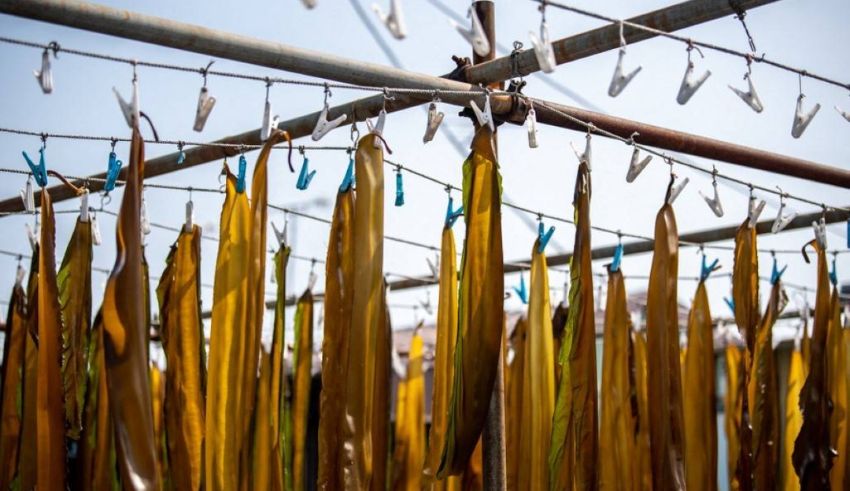
The recent article in The Manila Times highlighting Japan’s seaweed expertise sheds light on the country’s innovative approach to seaweed cultivation and the potential benefits of this super crop. Japan’s long-standing tradition of utilizing seaweed in various aspects of its cuisine and culture has now evolved into a strategic focus on sustainable agriculture and the exploration of new applications for this versatile marine resource.
Seaweed, also known as sea vegetables, holds immense nutritional value and boasts a range of beneficial properties. Japan’s expertise in seaweed cultivation and utilization has positioned it as a global leader in this field. The country’s rich coastline and favorable marine environment provide optimal conditions for the cultivation of diverse seaweed species, contributing to the country’s prominence in the seaweed industry.
The article highlights Japan’s innovative initiatives aimed at harnessing the full potential of seaweed. From seaweed-based products such as edible soups and snacks to the use of seaweed extracts in cosmetics and fertilizers, Japan is exploring various applications that promote sustainability, health, and economic growth.
Seaweed cultivation offers numerous environmental benefits. Seaweeds act as natural filters, absorbing excess nutrients and reducing pollution in coastal waters. They also serve as carbon sinks, absorbing carbon dioxide and contributing to mitigating climate change. By cultivating seaweed on a larger scale, Japan and other countries can enhance marine ecosystems, improve water quality, and contribute to a more sustainable future.
Moreover, seaweed’s rich nutritional profile, including high levels of vitamins, minerals, and antioxidants, makes it an attractive superfood. Incorporating seaweed into diets can provide a range of health benefits, including improved gut health, enhanced immunity, and the potential to combat certain diseases. The growing popularity of seaweed-based products globally reflects the increasing recognition of its nutritional value and versatility.
Keep Reading



Japan’s expertise in seaweed cultivation and its commitment to sustainability can serve as a model for other countries. The development of efficient farming techniques, responsible harvesting practices, and innovative processing methods are essential elements in maximizing the potential of this valuable marine resource.
The cultivation and utilization of seaweed also present economic opportunities for coastal communities. Seaweed farming can create employment, foster local economies, and provide alternative livelihoods. By investing in seaweed cultivation and processing infrastructure, countries can harness the economic potential of this emerging industry while promoting sustainable practices and community development.
Japan’s seaweed expertise exemplifies the country’s dedication to sustainable agriculture, innovation, and maximizing the potential of marine resources. The exploration of various applications for seaweed, from food products to environmental solutions, highlights the versatility and benefits of this super crop. By embracing seaweed cultivation and utilization, countries can promote environmental sustainability, improve public health, and foster economic growth.