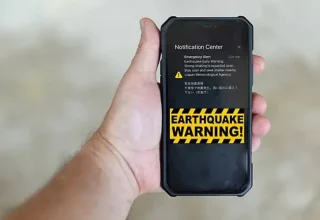

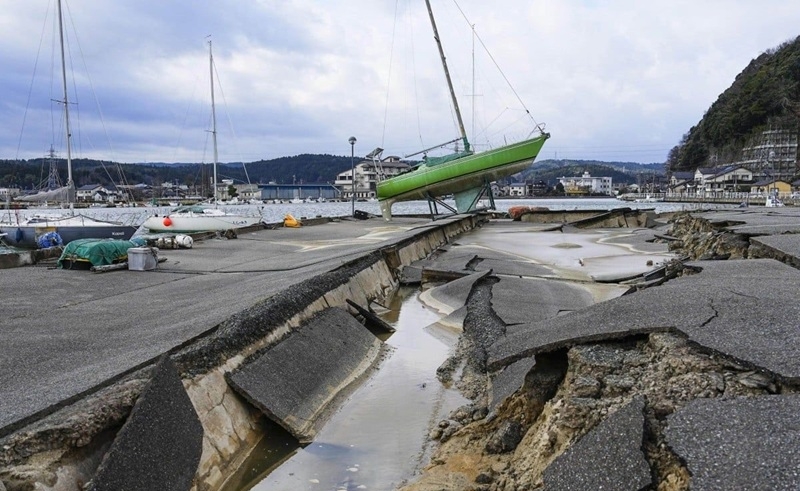
Japan is still having strong waves from the recent big earthquake that was felt in a number of different areas. As the Meteorological Agency worries about the high likelihood of more tremors in the coming days, officials have issued repeated warnings encouraging people to stay alert. Many areas already dealing with broken roads, interrupted transportation, and ongoing rescue efforts now face even more confusion as earthquakes continue.
As constant earthquakes continue, communities are having a hard time
Several areas reported multiple overnight jolts, some strong enough to cause landslides and loss of power. Emergency teams say that the aftershocks have made it harder to help people, especially where the first earthquake made buildings weaker. Because they are afraid that buildings might fall down, a lot of people have decided to stay outside or in marked evacuation centres. The government promised to keep an eye on things, with experts checking on bridges, hospitals, and public spaces to make sure they’re safe.
Why Japan’s Aftershocks Are Becoming More Worrisome
Japan is on the Pacific Ring of Fire, so experts say that aftershocks are normal for big earthquake events. But because the recent tremors have been so strong and so frequent, people are worried that they could cause more cracks or even a second, stronger quake. Authorities are stressing the importance of being ready. They tell people to make sure that their emergency kits are ready, make sure that their belongings are safe, and follow official exit orders.
Warnings Are Issued by the Government and the Meteorological Agency
The Japan Meteorological Agency (JMA) said that strong aftershocks may continue for at least a week, but there is most risk during the first 72 hours after the main earthquake. Officials have also said that if there is an aftershock offshore and it is big enough, there could be a wave. Because of this, people who live near the coast have been told to be careful and listen to emergency messages carefully.
Transportation and Basic Services Changed
As inspectors look for earthquake-related damage, rail services in some prefectures continue to run on changed plans. Airports say there are only minor issues, but officials are ready to close them if earthquake activity increases. Utility workers are in a hurry to get water and power back to the neighbourhoods that were affected so families can stop suffering in temporary shelters.
Japan’s ability to bounce back is tested again
Even with problems, Japan’s reaction system has been quick, with the national government, local governments, and volunteer groups all working together. As uncertainty continues, the country’s long-established disaster management system is still important for protecting residents. As aftershocks continue, safety, structure evaluations, and keeping communities up to date are still the main concerns.
In the next few days, we will find out if earthquake activity stabilises or if Japan will have to prepare for more activity.
Disclaimer: Stay updated with the lastest news, from politics to business trends, while also catching up on the lastest news in sports covering matches, scores, and tournaments. Explore the latest news in entertainment with celebrity updates, movies, and shows, and don’t miss the latest news in games, featuring trending releases and esports highlights.