


As diplomatic tensions escalate over Myanmar’s ongoing turmoil, Malaysia has taken a bold stance within the Association of Southeast Asian Nations (ASEAN). This article delves deeper into Malaysia’s call for robust measures against Myanmar’s ruling generals and explores the mounting frustration within ASEAN due to the military’s failure to end violence and engage constructively with the peace plan.
The Call for Strong Measures
Malaysia’s Foreign Minister, Zambry Abdul Kadir, has voiced a call for “strong and effective measures” against Myanmar’s junta. This demand comes as part of a broader discussion among ASEAN member countries during recent diplomatic talks in the Indonesian capital. This article examines the specific measures proposed and the potential implications for ASEAN’s role in regional affairs.
Frustration within ASEAN has been steadily increasing as Myanmar’s military rulers continue to disregard the peace plan known as the five-point consensus. Despite collective efforts, the junta’s limited commitment to the peace process has raised concerns about the effectiveness and credibility of ASEAN in addressing regional crises. This article analyzes the factors contributing to this frustration and its implications.
The five-point consensus, agreed upon by ASEAN member states, outlines a comprehensive approach to resolving the Myanmar crisis. This article provides an in-depth examination of the peace plan, its objectives, and the challenges in its implementation. It also explores the junta’s response to the plan and the international community’s reactions.
Challenges to ASEAN Unity
Myanmar’s crisis has not only strained the credibility of ASEAN but also challenged the unity of the regional bloc. The article discusses how ASEAN, founded on principles of non-interference in internal affairs and consensus-based decision-making, is grappling with the dilemma of responding effectively to a member’s internal conflict.
Historically, ASEAN pursued a policy of “constructive dialogue” with Myanmar’s military rulers, despite international pressure for sanctions. The article traces the history of ASEAN’s engagement with Myanmar and examines how the 2021 coup disrupted these efforts.
Against the backdrop of a changing global landscape characterized by geopolitical rivalries and economic shifts, this article delves into the evolving role of ASEAN in maintaining regional peace and security. It explores how the Myanmar crisis fits into broader geopolitical tensions.
Keep Reading
Efforts to Find a Solution
Indonesia, as the chair of ASEAN in 2023, has been actively engaged in behind-the-scenes efforts to address Myanmar’s turmoil. This article provides insights into Indonesia’s diplomatic initiatives, the challenges it faces, and the potential way forward.
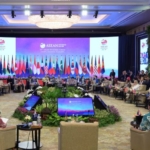
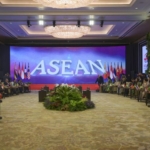
Leaders and top officials from partner countries, including the United States, China, Japan, South Korea, Australia, and others, are set to participate in the ASEAN summit in Jakarta. The article discusses the key agendas and expectations for this high-level gathering.
As ASEAN grapples with Myanmar’s protracted crisis, it seeks to balance its principles of non-interference with the need for a peaceful and lasting solution.