
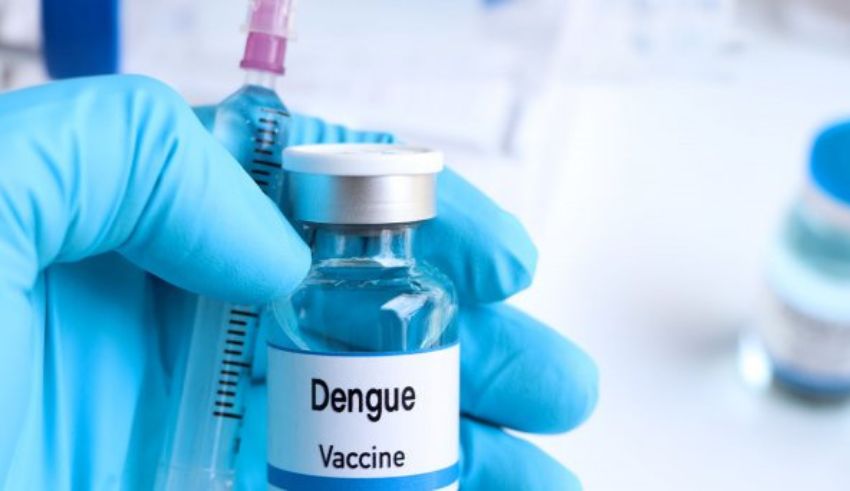
Malaysia has achieved a significant milestone in public health with the launch of its inaugural dengue vaccine, Qdenga. This live attenuated, tetravalent vaccine is engineered to protect against all four dengue virus serotypes and is authorized for use in individuals aged four and older. Given dengue’s persistent threat in Malaysia, the introduction of Qdenga is a pivotal step in combating this widespread disease.
The Cost of Prevention
Despite the vaccine’s promise to dramatically reduce dengue cases and hospitalizations, its cost has raised some concerns. Healthcare facilities have described the pricing as “extremely equitable,” yet specific cost details remain undisclosed. This lack of transparency raises questions about financial barriers that might hinder widespread access to the vaccine, especially for low-income populations who are most vulnerable to dengue outbreaks.
Efficacy and Accessibility
Qdenga is administered in two doses, spaced three months apart, and has demonstrated strong efficacy in clinical trials. It has been shown to prevent 80.2% of symptomatic dengue cases within a year of vaccination. Moreover, its long-term effectiveness remains high, with an 84.1% efficacy against hospitalization and 61.2% against symptomatic cases up to four and a half years post-vaccination. These impressive results highlight the vaccine’s potential to significantly ease the health and economic burdens of dengue in Malaysia.
The Burden of Dengue
The urgency for effective dengue prevention is underscored by the sharp rise in dengue cases in Malaysia. In 2023, there was an 86.3% increase in dengue cases compared to the previous year, along with a 78.6% rise in dengue-related deaths. This alarming trend underscores the need for timely and effective interventions. The introduction of Qdenga is thus a crucial development in Malaysia’s public health strategy, aiming to reduce both the frequency and severity of dengue outbreaks.
Keep Reading



A Global Step Forward
Malaysia’s rollout of Qdenga is part of a larger global initiative to combat dengue. The vaccine has received approval in over 30 countries, including those in the EU, the UK, Brazil, Argentina, Indonesia, Thailand, and Vietnam. This widespread approval marks a significant global advance in the fight against dengue, providing a model for other nations facing similar public health challenges.
Conclusion: The Price of Health
The introduction of Qdenga represents a major breakthrough in Malaysia’s efforts against dengue. However, the ongoing debate over its cost highlights a critical issue: the accessibility of life-saving vaccines. As Malaysia continues to grapple with a severe dengue crisis, making Qdenga affordable will be crucial for maximizing its public health benefits. Ensuring that the vaccine is accessible to all segments of the population will be key to its success in reducing dengue cases and mitigating associated health risks. Collaboration between the government and healthcare providers is essential to address these cost concerns and ensure that the benefits of this medical innovation are widely distributed.