









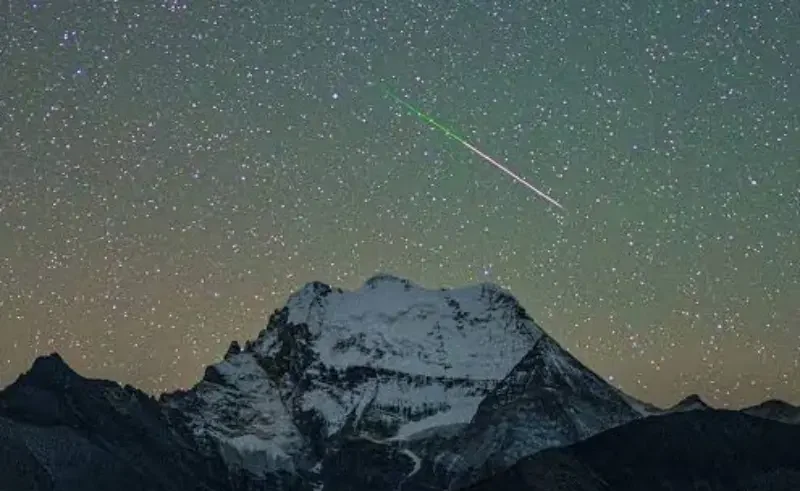
The Orionid Meteor Shower, which peaked on October 21–22, still has a chance for the Filipino curious to see it. The annual display is created from debris from Halley’s Comet and will continue for a year until November 7, 2026. While the glare of bright lights can make viewing more difficult, there are ways to make it easier to see shooting stars, such as picking a dark location and picking specific times of the night.
Orionid Meteor Shower: Best Viewing Hours After Peak
PAGASA’s October 2026 Astronomical Calendar indicates that Orion conjugates around 9:59 pm and the meteor radiant peaks at 4 am. A couple of hours before dawn on 23-24 October is a key time to watch, when the Moon has set and Orion is rising higher.
Manila Moonset Times for October 23–25
According to the Manila moonset calendar, the moon will set at 2:53 a.m. Oct. 23, 3:44 a.m. Oct. 24, and 4:38 a.m. Oct. 25. These Philippine Standard Time estimates are for Manila and may not be applicable to other places.
Best Dark Sky Locations in the Philippines
Ponies can be remote, such as rural areas in Tanay, Rizal, Batanes, or outside the major cities. These are potential ways to get out from urban light. Select a safe and convenient location to observe and arrange entry, weather and accommodation in advance.
How to Spot More Meteors After Peak Night
Look in an unobstructed place, give your eyes 20-30 minutes to adapt, and don’t look at bright phone screens. Any telescope is not required. NASA’s October skywatching guide for October suggests viewing may be best after moon fade, though clouds and lessened meteor activity could make this difficult.
Recommended Reads
When Can You See the Lyrid Meteor Shower?
Could This Bicol Meteorite Be Worth Millions?
What Is the Latest on Tropical Storm Maymay?
What Should You Know About Indonesia’s Earthquake?
How Should You Behave During Myanmar’s Thadingyut Festival?