
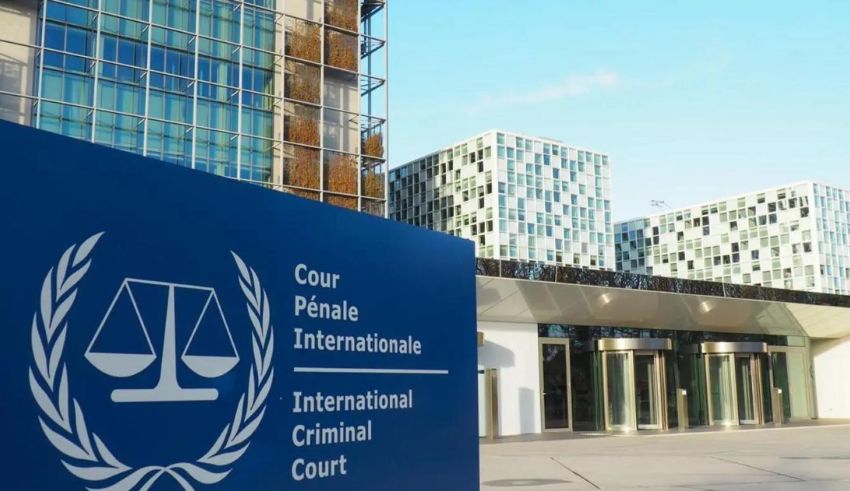
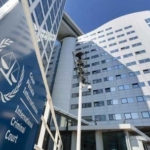
In a twist of fate, the Philippines finds itself at a crossroads as discussions intensify over the prospect of rejoining the International Criminal Court (ICC). This unexpected contemplation, once considered implausible, has ignited a fervent debate, unveiling the complex layers of a nation grappling with its international identity.
Back in 2011, the Philippines, under the influence of the “Yellow cabal” administration, proudly aligned itself with the International Criminal Court. A move perceived by some as a commitment to global human rights ideals, it drew support from organizations linked to the Communist Party of the Philippines (CPP), a longstanding critic of the government on human rights grounds.
2017 Exit: Unraveling the Motivations and Ramifications
Fast forward to 2017, a year marked by a surprising decision to withdraw from the ICC. The reasons behind this choice, shrouded in controversy, raised questions about the Philippines’ willingness to face international scrutiny, especially concerning alleged human rights violations. The move stirred both local and international concerns, casting shadows on the nation’s commitment to accountability and justice.
As whispers of a potential return to the ICC gain momentum, a spectrum of perspectives emerges. Advocates see reentry as a chance for the Philippines to reassert itself on the global stage, showcasing a renewed dedication to human rights and international law. They envision economic benefits and collaborative opportunities.
Yet, skeptics voice apprehensions, highlighting potential threats to sovereignty and fearing adverse economic consequences. A prevailing sentiment suggests that the move might not yield tangible advantages and could, in fact, jeopardize diplomatic relations and economic stability.
Keep Reading
Debates Unveiled: Perspectives from Every Corner
Within this evolving narrative, diverse voices, ranging from lawmakers to legal experts and civil society, engage in nuanced debates. These conversations delve into the intricacies of international relations, probing the ICC’s role and contemplating the potential repercussions for the Philippines’ global image and economic landscape.
The enigma of whether the Philippines will rejoin the ICC remains unresolved. However, the ongoing discourse reveals a nation delicately balancing its national interests with international obligations. This decision-making dance considers historical ties with the ICC, the motivations behind withdrawal, and the possible ramifications of reentry. The outcome of this contemplation is poised to etch the Philippines’ stance on global justice and human rights into the annals of its history.