
In a puzzling turn of events for an agriculture-centered country like the Philippines, authorities are actively considering the prospect of importing rice from as far away as Argentina. This unexpected move has left many wondering why a nation known for its rich agricultural heritage would need to look abroad for its staple food source.
Rice Challenges? But Why?
The idea of importing rice from Argentina surfaced during a recent meeting between Foreign Affairs Secretary Enrique Manalo and Santiago Andres Cafiero, Argentina’s Minister for Foreign Affairs, International Trade, and Worship. While the press statement released after their meeting touched on this possibility, it provided little insight into the motivations behind such a decision.
Currently, the Philippines primarily relies on Thailand and Vietnam as its top two sources of imported rice, with Vietnam accounting for a staggering 89.85% of its rice imports, while Thailand contributes a mere 4.46%. Given the Philippines’ strong agricultural tradition and significant arable land, this heavy dependence on foreign rice sources raises eyebrows.
Manalo’s visit to Buenos Aires to commemorate the 75th anniversary of diplomatic relations between the Philippines and Argentina has raised questions about the country’s agricultural policies and practices.
More Economic Problems in the Future
The real concern lies in the dire projections that suggest the Philippines could soon surpass China as the world’s leading rice importer in the 2023-2024 marketing year. This startling possibility has invited criticism from rice watchdog Bantay Bigas, which squarely places the blame on President Marcos for advocating rice imports at the expense of the country’s domestic agriculture.
Bantay Bigas spokesperson Cathy Estavillo points to President Marcos’s failure to foster local palay (unhusked rice) production as the root cause of the Philippines’ escalating reliance on imported rice. Despite an impending harvest in October, the country expects an additional 500 million metric tons of rice from India, further highlighting the import-dependent trajectory.
Keep Reading
Former Agriculture Secretary Emmanuel Piñol squarely lays the blame on economic managers, criticizing their belief that the Philippines lacks the agricultural capacity to achieve self-sufficiency in rice production.
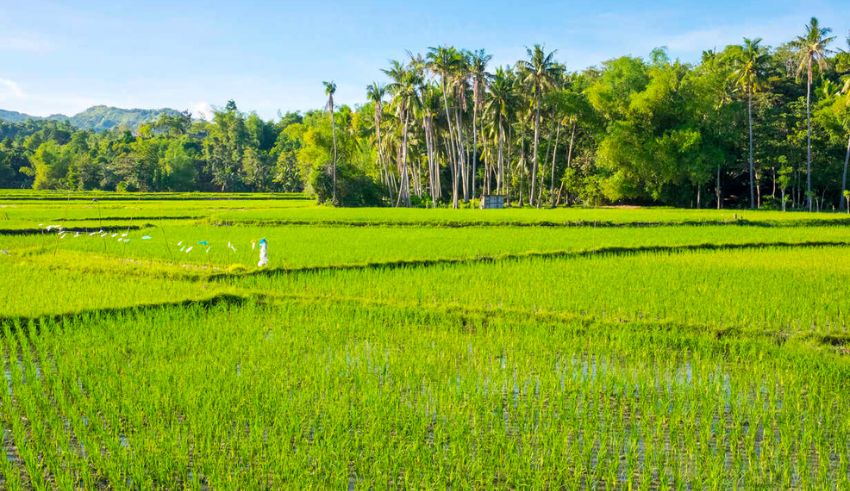
Piñol emphasizes that the country has vast areas already dedicated to palay cultivation, with considerable untapped potential to increase yields. This potential could be realized through improved farming practices, including the use of high-yielding seeds, enhanced irrigation, optimal fertilization, and mechanization.
Revision in the Rice Tariffication Law in Motion
Additionally, Piñol calls for a reevaluation of the Rice Tariffication Law (RTL) or Republic Act 11203 to bolster the powers of the National Food Authority (NFA). He argues that the government should retain control and supervision over this essential staple food, which Filipinos rely on daily.
The Philippines’ unanticipated move towards rice imports, especially from distant sources like Argentina, underscores the pressing need for a comprehensive examination of its agricultural policies and a renewed commitment to achieving self-sufficiency in rice production.