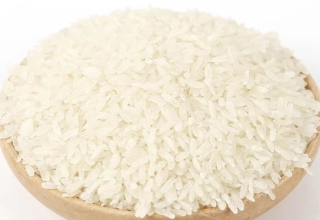

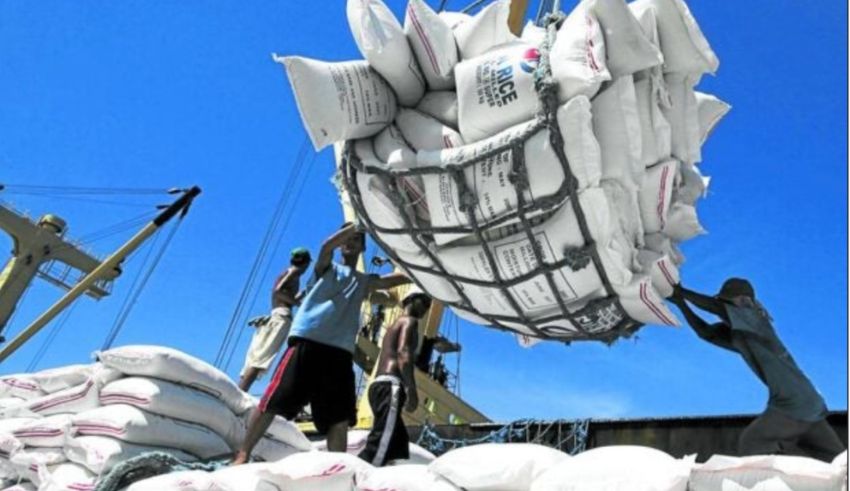
In a recent development that has captured international attention, the United States Department of Agriculture (USDA) has designated the Philippines as the world’s foremost rice importer, surpassing China.
While this revelation has raised eyebrows and concerns, government officials and experts are advocating for a measured response, asserting that there’s no immediate cause for alarm.
Surpassing China
The USDA’s “Grain: World Markets and Trade” report projects that the Philippines will import a substantial 3.8 million metric tons of rice during the marketing year 2023-2024, overtaking China, which is expected to reduce its imports to 3.5 million metric tons.
Glenn Panganiban, the Director of the Bureau of Plant Industry, has been quick to reassure the public that this development should not be met with undue panic. Panganiban emphasizes that the USDA’s figures are speculative projections, and the true impact on the rice market can only be accurately assessed once the imported rice shipments arrive. Furthermore, he points out that the Philippines maintains its robust local rice production, which acts as a buffer against potential supply disruptions.
One plausible explanation for China’s reduced rice imports, as elucidated by Panganiban, could be a substantial uptick in its domestic rice production, signifying advancements in agricultural technology. Conversely, the Philippines predominantly relies on rice imports to augment its domestic supply.
Improving the Rice Tariffication Law
The introduction of the Rice Tariffication Law, which permits rice imports, also plays a pivotal role in the broader agricultural landscape. This law not only addresses the need for increased rice supply but also generates revenue earmarked for the development of the domestic rice industry.
Nonetheless, the debate over tariffs on imported rice remains a contentious issue. The Foundation for Economic Freedom (FEF) has proposed a significant reduction in tariffs for all rice grades, from the existing 35 percent to 10 percent, for a six-month period.
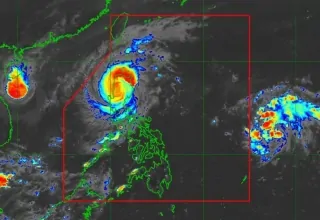
FEF argues that this temporary tariff reduction will lead to a marked decrease in the retail price of rice, ultimately benefiting consumers. Additionally, it could help the government manage potential uncertainties stemming from natural disasters, such as typhoons, affecting rice production, particularly in the final quarter of the year.
However, this proposal has encountered vehement opposition from certain farmer groups who voice concerns about its potential adverse impact on local rice producers. These groups have gone as far as demanding the removal of key government officials who support tariff reduction, including Finance Secretary Benjamin Diokno and Socioeconomic Planning Secretary Arsenio Balisacan.
Simultaneously, in Central Luzon, rice retailers adversely affected by the government’s mandated price ceiling on rice under Executive Order No. 39 have received a lifeline.
Keep Reading
What is the Philippine Government doing?
The Department of Social Welfare and Development (DSWD), in collaboration with the Department of Trade and Industry (DTI), has provided cash assistance to these beleaguered retailers. This assistance falls under the DSWD Sustainable Livelihood Program, aimed at cushioning the impact of the price ceiling on rice.
Moreover, the Valenzuela City government has undertaken a commendable initiative by pledging to cover three months’ worth of rent for rice retailers adversely affected by the price ceiling on well-milled and regular milled local rice, starting October. This proactive measure aims to support local retailers facing economic challenges due to government-imposed price controls.
They stress the importance of evaluating the true market impact once the imported rice arrives. Tariff debates continue to dominate discussions, with differing opinions on how they will affect consumers and local rice producers. Amidst these deliberations, the government is taking steps to support retailers impacted by price controls, aiming to alleviate their financial burdens.
This multifaceted issue reflects the complexity of food security, trade policy, and economic sustainability in the Philippines.