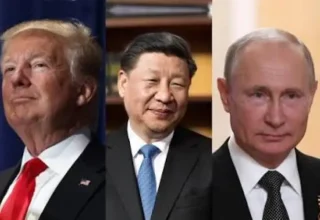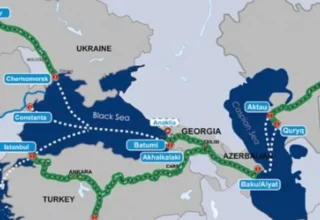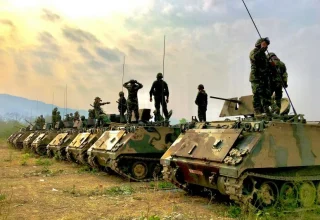










The strongest armies in the world have sophisticated weaponry, powerful air forces, complex intelligence capabilities and huge defence spending. But history has shown that superior armed forces are no guarantee of victory. In Afghanistan to Iraq and Ukraine, the victor in battle has found a long-term political victory elusive. In my opinion, the major drawback of contemporary military might is that it thinks technology is the answer to all political and human issues.
Military Superiority Does Not Guarantee Victory
The United States, Russia and China are spending money on new and high-tech military technology, but wars don’t always unfold in a linear fashion. This can put an opponent at a disadvantage by exploiting its air superiority, precision weapons, and intelligence capabilities, while not reducing its capability to resist. Afghanistan shows what happens when a technologically advanced military force cannot overcome a strong local resistance sustained over the long term.
Understanding Local Politics Is More Important Than Weapons
One of the most prevalent problems that powerful militias have is that they are not attuned to local communities, political divisions and cultural realities. Oftentimes, foreign armies will conquer standing armies, but can only hold on to them if they do not grasp the people they’re trying to rule or protect. The history of Afghanistan and Iraq has proven that military action alone is not a viable solution for achieving peace.
Guerrilla Warfare and Asymmetric Conflicts Change the Battlefield
Insurgencies, drones, cyberattacks and decentralised fighting groups are the tools modern conflicts are increasingly fought with, instead of conventional armies. Weaker forces can take advantage of the terrain, local support and affordable technologies to beat much stronger forces. This increases the costs and uncertainties of protracted warfare and diminishes the customary benefits of military organisations.
Winning Wars Requires Political Strategy and Public Support
In the end, all wars are lost until they have a lasting political solution. When deciding on a prolonged conflict, governments need to take into account economic costs, international pressure, civilian casualties and domestic public opinion. The best armed force isn’t always the most technologically sophisticated, but the one that has good military capability, reasonable goals, good diplomacy and a good out plan.
FAQs
Why do the world’s strongest militaries struggle to win wars?
Powerful militaries may have advanced weapons and resources, but political failures, local resistance and unclear objectives can prevent them from achieving victory.
How does guerrilla warfare challenge powerful armies?
Guerrilla warfare uses ambushes, surprise attacks and local knowledge to weaken stronger forces, making conventional military operations more difficult.
Does military superiority guarantee victory in modern wars?
No. Military superiority can help win battles, but lasting victory also requires diplomacy, political stability, public support and effective postwar planning.
Recommended Reads
Why Is Germany Expanding Its Military Capabilities?
What Is Behind Trump and Netanyahu’s Iran Strategy?
What Can India Learn From China’s Military Reforms?
What Happened During the Rakhine Airstrike?
Why Doesn’t Military Power Guarantee Victory?