









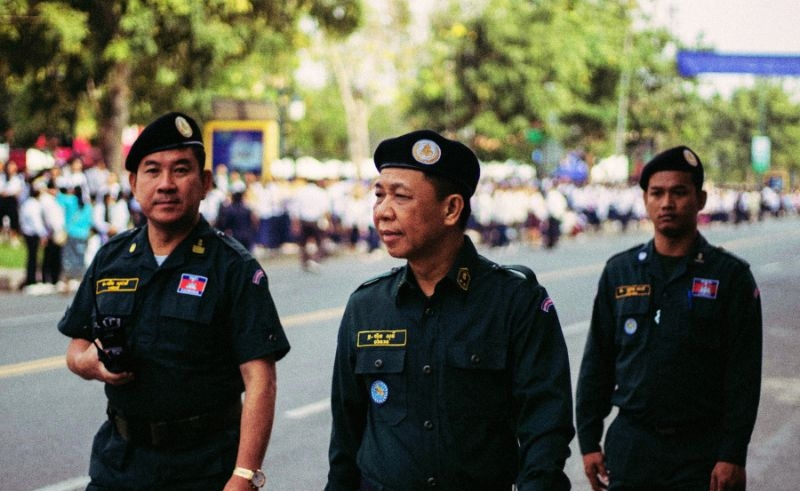
Global migration is undergoing a major change of time. When countries are closing their borders and reviewing their immigration strategies, people moving from one continent to another cannot be just seen as a search for opportunities. Now, it is the litmus test of diplomacy, ethics, and resilience. A different map of migration is appearing that is less about geography and more about policy.
The Global Shift: Why Migration Is Changing
The first things one would relate to the change in migration pattern are the common factors that this news can induce: worsening political situations, climate change, wars, and economic instability that put pressure on millions of people who have no other option but to look for a new home. Yet, laws have become the main determinant of their journey nowadays. Building walls at the borders, tightening visa regulations, and installing high-tech devices for border security have brought about the control of human movement rather than its facilitation.
New Border Policies: Protection or Restriction?
Officials claim that a more strict control at the borders is assuring national security. On the other hand, the detractors of such measures consider them responsible for the worsening situation of people requiring refuge. Those who flee the places of war have to endure longer waiting times, higher rejection rates, and fewer legal options. So, the issue to be solved is certainly whether migration is managed or stopped.
Technology Is the New Border
Barriers of the information age are proving to be as effective as their traditional counterparts. The decisions on who is allowed to cross and who is refused now rest on the implementations of AI, biometric tracking, and smart visa systems. In a quiet way, technology is altering the migration process with fewer, more stringent regulations, and in most cases, without any controlling authorities.
Human Stories Behind the Numbers
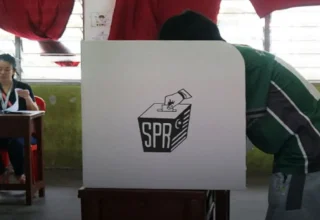
Every regulation has at its back stories of people, for example, a family seeking safety, a student going after his dreams, or a worker trying to feed his family. While migration is being used as a tool in politics, the emotional and human side is most of the time overlooked. These testimonies have the power to remind us that even if borders separate lands, they should not separate people. What Will Happen to Malaysia’s Illegal Migrants see a breakdown.
A Future of Shared Responsibility
According to specialists, the problem of worldwide migration cannot be addressed only by shutting down borders. To overcome this, the world needs cooperation among countries, morally correct policymakers, and people who take up the role of humanitarians. As countries go through this period of transition, migration must not be considered as a danger but rather as a chance to create more robust and diverse societies.
This is the world we are living in; borders might just be lines on a map, but the fate of global migration will depend on the decisions we make today.