









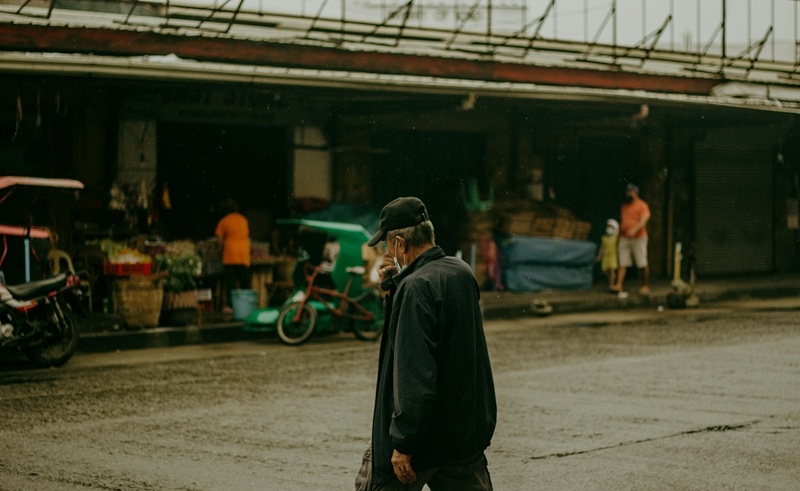
Surviving on 11 dollars a day is hard to imagine- yet to the majority of labourers in the Philippines that is day by day. With the ever rising cost of living particularly in the city centres such as Manila, a balance between work and personal life is progressively becoming very difficult. There is no time to rest or to have family as long, low-paid and tiresome commutes do not leave any. In 2026, the debate of work-life balance will be more pressing than ever, raising a seriously important issue: is 11 dollars a day enough to live or rather to survive?
How much does the daily wage cost in the Philippines?
Wage perception is the initial step to comprehending why work-life balance is such a great challenge to most Filipinos. The salaries depend on the region and industry, but the situation of people receiving minimum wage illustrates the reality of hardships in a better way.
Minimum Wage in Manila and other places
Metro Manila has a minimum wage of approximately $10-12 per day on average and the workers in other areas tend to receive more money per day. This puts a lot of Filipinos in a situation where even basic needs are barely covered with the day to day income.
Comparison between the rates of $11/Day and ASEAN Countries.
The Philippines lags behind other countries in terms of wages in the ASEAN. Employees in such countries as Malaysia or Thailand tend to earn higher because they have increased financial security and living standards.
Wage Growth vs Inflation in 2024–2026
Despite the minimal improvement in wages, inflation has been increasing at the accelerated rate. This implies that there has been an effective reduction of real income which results in greater difficulty of the workers in maintaining the basic expenses.
Why does receiving low wages make work-life balance a challenge?
The low wages not only influence the spending but also determine the way in which people live their whole life. Having low income, workers are driven to live and survive, not taking care of themselves.
Increasing Cost of Living in Manila
Manila has been made quite costly to live in. Rents, food, and transportation occupy the largest portion of the incomes of a laborer leaving little money to save or have leisure time.
Numerous Gigs and Additional Earnings
Most of these Filipinos have to increase the number of jobs or to become freelance workers to make ends meet due to low wages. Although it is a beneficial move financially, this decreases individual time and burns individuals out.
Meager Savings and Economic Anxiety
Many employees are working on a paycheck basis with no monetary security. This stress builds up and becomes a mental burden that makes it difficult to have some form of balance.
The Hidden Cost: Wasting Time at Work and to Survive
Other than money, low wages also rob something that is not recognized and yet it is important which is time. A lot of time during a working day is not only worked, but the amount paid for effort which is needed to keep our daily lives going.
Long Work hours and Overtime Culture
Employees work long hours in order to have additional earnings. Instead of being optional as it used to be, overtime turns out to be mandatory and leaves one with less free time to rest.
Manila Traffic and Daily Commute Nightmares
Manila requires hours to commute on a daily basis. The time taken to travel makes a person exhausted and robs them of time they would utilize with their families or attending to themselves.
Time Deficit in Family, Health and rest
People may be too busy at work and commuting, which leaves no time to sleep, exercise, and spend time with their families, which are the main foundations of a balanced life.
Philippines vs Best Countries in Work-Life Balance
To get a complete picture of the matter, one can refer to the comparison of the Philippines with those countries that have a higher work-life balance. The variation brings out the economic disparities.
Why New Zealand Ranks Higher?
Nations such as New Zealand are ranked high because of their superior remunerations, reduced working hours, and good labor security that are more concerned about the well-being of the employees.
A Cultural Difference in Work culture Philippines vs. Developed Countries.
Long hours are not cherished as much in most of the developed countries where efficiency is appreciated. The opposite of this is true in the Filipino culture of rewarding longer work hours, although productivity does not rise.
What are the Filipinos going through abroad?
The Filipinos who are abroad always claim that they have a better life. Outsourcing enables them to enjoy better health balance because of higher pay and scheduled work schedules.
Are there superior policies that can be used in enhancement of life at work?
Work-life balance is not a personal responsibility only issue, and enforcing change is a strategic change, not individual one. All these are in the form of policies and practices in the workplace and economic reforms.
Demand of Wage Reforms and Protection of Labor.
Minimal wages by promoting labor regulations would help employees to sustain some basic needs without overworking.
Work-life Balance and Telecommuting.
Working at home provides flexibility and avoids the long travel time, hence providing employees with more time control.
Enhancement of the Workplace Culture
It is possible to promote balance by employers: by promoting reasonable working hours, providing mental health care, and fair compensation.
Can the Work-Life Balance be attained in the Philippines?
Regardless of the challenges, the attainment of a certain balance amount is possible. It mostly relies on the nature of work, individual preferences, and new prospects in the work market.
Employee tips on managing stressful situations.
Employees should work on balance, which can be achieved through proper time management, training new skills and finding more higher-paying opportunities when they occur.
Corporate vs Freelance Industry-Wise Differences.
Remote workers and small-time employees tend to have more flexibility, whereas the usual corporate jobs can provide more stability but less time flexibility.
What is In Store of the Filipino Workers?
The hope of better work-life balance without doubt is present as the number of digital jobs becomes as many as possible, and as awareness of this emerging digital and workforce trend reaches its maximum level frequently, especially as Wallet Apps Are Rising in Philippines.
Final Thoughts
Having to live in the Philippines on $11/day is exposing the other side of the story, which is that work-life balance is not a matter of time control, but a matter of financial control.
Equilibrium is hard to find in low wage salaries and provisions. However, the improved future cannot always be very far away, provided the policy, work culture and possibilities are gradually altered, especially as Remote Work Is Booming Across Asia.
FAQs
1. What is Minimum Wages in the Philippines in 2026?
In Metro Manila, this costs around 10-12 dollars a day, depending on the area.
2. Why is there a poor work-life balance in the Philippines?
Poor pay, length of employment time, traffic jams and work ethics.
3. What is the work life balance of the Philippines as compared to other countries?
It is still not that high as compared to the developed countries.
4. Are the minimum wage earners too high to afford the cost of living?
Yes, more so in city towns such as Manila.
5. Which are the countries that have a better work-life balance to the Filipinos?
Countries such as New Zealand, Australia, and Canada are higher.
6. Is there an enhancement of work-life balance in the Philippines by remote jobs?
Yes, it makes the commute time less and it is flexible.