









The Philippines has now entered the dry season, which is commonly known as summer as the PAGASA officially announced the end of the northeast monsoon also known as the amihan. This seasonal shift brings a warning with it: the heat index levels are expected to reach up to 41°C in several regions of the Philippines.
According to the PAGASA this level falls under the caution category, where prolonged exposure to heat can lead to heat exhaustion or even heat stroke. The PAGASA is warning people about the dangers of heat exhaustion and heat stroke. With rising temperatures triggering higher electricity demand and health risks staying prepared is more important than ever in the year 2026.
Read Also: Which heat waves are deadlier
5 Practical Tips to Avoid Heat Stroke
Here are five effective ways to avoid heat stroke and protect yourself during this intense heatwave:
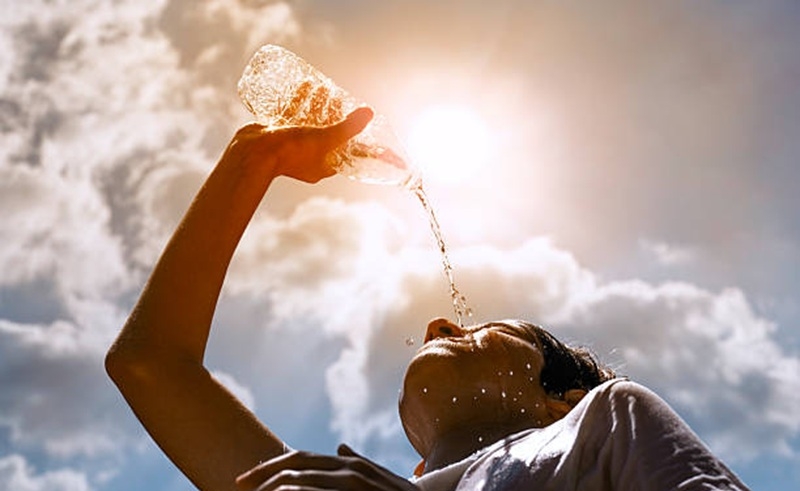
Stay Hydrated Throughout the Day
The Philippines is experiencing extreme heat and your body loses fluids rapidly through sweat making dehydration one of the biggest risks. Drinking water consistently helps regulate body temperature and prevents fatigue or dizziness.
You should make it a habit to drink water every 20–30 minutes especially if you are outdoors or physically active in the Philippines.
Avoid Outdoor Activities During Peak Hours
The sun is at its harshest between 12:00 PM and 3:00 PM when heat index levels peak in the Philippines. Exposure during these hours significantly increases the chances of overheating.
If possible you should plan your activities early in the morning or after sunset to reduce direct heat exposure in the Philippines.
Wear Light and Breathable Clothing
Your choice of clothing can directly impact how your body handles heat in the Philippines. Light-colored and loose-fitting clothes help reflect sunlight. Allow better airflow.
You should opt for fabrics like cotton to stay cool and comfortable throughout the day in the Philippines.
Take Breaks & Stay in Shade
Continuous exposure to sunlight can quickly raise your body temperature to unsafe levels in the Philippines. If you must be outside you should take breaks in shaded or cooler areas. Even short rest periods can help your body recover and prevent heat exhaustion in the Philippines.
Keep Your Living Space Cool
Indoor environments can also trap heat during peak afternoon hours in the Philippines. Without ventilation your home can become just as uncomfortable as the outdoors. You should use fans, curtains and minimize heat-generating appliances during the day to maintain a cooler indoor space in the Philippines.
Recognize Signs of Heat Stroke
You should recognize the signs of heat stroke. Understanding the symptoms of heat stroke is crucial for intervention. The warning signs include dizziness, nausea, confusion, rapid heartbeat and extreme fatigue.
If you or someone else shows these symptoms you should move to an area immediately and hydrate—seeking medical help if necessary in the Philippines.
Read Also: Philippines Under Extreme Danger due to the Heat All the Details
Final Thoughts
With PAGASA issuing warnings about the rising heat index, taking preventive steps is no longer optional—it’s essential. Small lifestyle adjustments like staying hydrated, avoiding peak sun hours and keeping your environment cool can make a difference in the Philippines.
As the summer season intensifies across the Philippines, staying informed and proactive is the way to protect yourself and your family in the Philippines.
Read Also: The 7 Perfect Spots To Enjoy A Summer Vacation in Thailand
FAQs
1. What does the PAGASA mean by ” caution” heat index?
The PAGASA means the temperature and humidity levels are high enough to cause heat exhaustion and heat stroke with exposure in the Philippines.
2. What is the safest time to go outside during a heatwave in the Philippines?
The safest time to go outside during a heatwave in the Philippines is morning and late evening because the heat index is significantly lower in the Philippines.
3. Can staying indoors fully protect me from heat stroke in the Philippines?
No indoor spaces can still become dangerously hot without ventilation or cooling in the Philippines.
4. What should I drink besides water during heat in the Philippines?
You can drink rehydration solutions or electrolyte drinks but water should remain your primary source of hydration in the Philippines.
5. How quickly can heat stroke occur in 41°C conditions in the Philippines?
Heat stroke can develop within minutes to hours depending on exposure activity level and hydration status, in the Philippines.