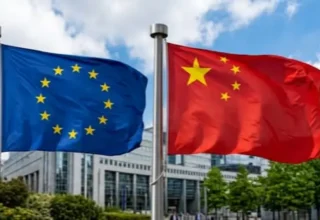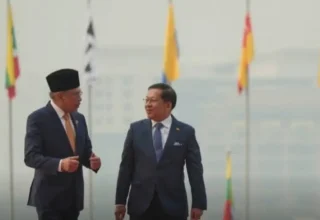










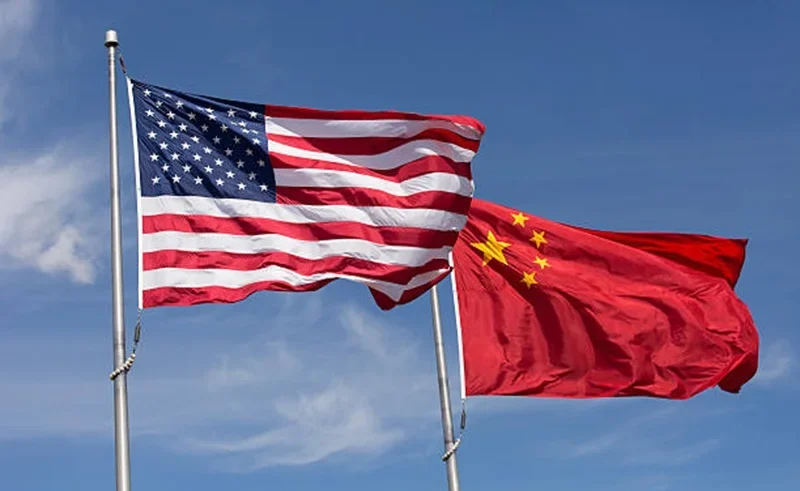
The geopolitical threat between the U.S. and China is a huge conundrum for Southeast Asian countries. Southeast Asian nations’ Association of Southeast Asian Nations (ASEAN) operates through strategic hedging in the region to safeguard the national sovereignty, political maneuverability and economic growth.
In the delicate balance of economic integration, defense diversification and institutional diplomacy, ASEAN member states navigate US-China competition in ASEAN without forming a rigid alliance.
What Is Strategic Hedging in Southeast Asia?
Strategic hedging is a system of international relations in which middle and small powers steer clear from choosing sides of the two major players in the world. Hedging involves a combination of bandwagon and balancing.Hedging is neither bandwagon nor pure balancing, but a combination of both.
- Economic Maximization: the Beijing connection for infrastructure projects, supply chain and regional trade.
- Security diversification: Building relations with Washington and regional counterparts to help secure the seas, conduct joint military exercises and procure defense equipment.
- Diplomatic Neutrality: How strategic neutrality can be used as a tool for ASEAN to make institutional autonomy happen in the Indo-Pacific.
How ASEAN Member States Execute Strategic Hedging
Different ASEAN nations tailor their approach based on geographic vulnerabilities and national priorities, balancing security requirements against economic dependence.
Economic Alignment with China
China continues to be the top trading partner in driving the development of the ASEAN region, including the ASEAN-China Free Trade Area (ACFTA 3.0) and significant infrastructure financing via the Belt and Road initiative. China contributes vital trade ties and capital inflows to fuel domestic economic growth in countries such as Cambodia, Laos and Malaysia.
Security Ties with the United States
In response to rising assertive maritime activities in the region, a number of Southeast Asian countries have established strong defence relations with the US.
- The Philippines: Access to defense under the Enhanced Defense Cooperation Agreement (EDCA).
- Singapore & Vietnam: Carry out military drills together and get defense equipment from Washington.
- Indonesia: Combines non-aligned diplomacy with broad bilateral military training programs with Western countries.
Strengthening Regional Autonomy Through ASEAN Centrality
Member countries also keep multilateral forums like the East Asia Summit and ASEAN regional forum which guarantee that external powers act on ASEAN’s premises. There are organizations that track regional policy changes and developments, such as the Council on Foreign Relations, and official channels to follow, such as the @ASEAN X Account.
Challenges to Maintaining ASEAN Strategic Neutrality
Hedging is a good strategy for Southeast Asia, but the growing tensions in the world could jeopardize the equilibrium of this middle ground position.
- Maritime Disputes: Rising tensions in the South China Sea between claimant nations of the Association of South East Asian Nations (ASEAN) and China’s naval forces.
- Global Change: There are increasing signs of trade friction and measures taken by trading partners that impact regional production centers and global supply chains.
- Internal Regional Cohesion: Decisions on policies will be difficult to make, as there are different levels of economic dependency on China among ASEAN members.
FAQs
What does strategic hedging mean in international relations?
Strategic hedging refers to a policy where nations avoid taking a definitive side between competing major powers, combining economic cooperation with one side and security alignment with another to manage geopolitical risk.
Why doesn’t ASEAN pick a side between the US and China?
Picking a side risks economic retaliation, loss of national sovereignty, or becoming a proxy ground for superpower conflict. Maintaining neutrality allows member states to draw economic benefits from both nations.
Which ASEAN countries lean closer to China or the US?
Cambodia and Laos maintain strong economic and political ties with Beijing, while the Philippines and Singapore align closely with Washington on defense cooperation. Countries like Indonesia and Vietnam maintain a balanced middle posture.
Stay Updated on ASEAN and Regional Affairs
What Does Russia Offer ASEAN Members?
Check out the impact on key ASEAN nations.
Why Did Myanmar Reject ASEAN’s Proposal?
Find out what the decision means for ASEAN.
Who Leads Forbes Philippines’ Richest List?
Uncover the biggest names and latest rankings.
How Could Indonesia-China Deals Affect ASEAN?
Browse the key maritime implications for ASEAN.
How Is The Philippines Leading ASEAN?
See how Manila is handling regional challenges.