









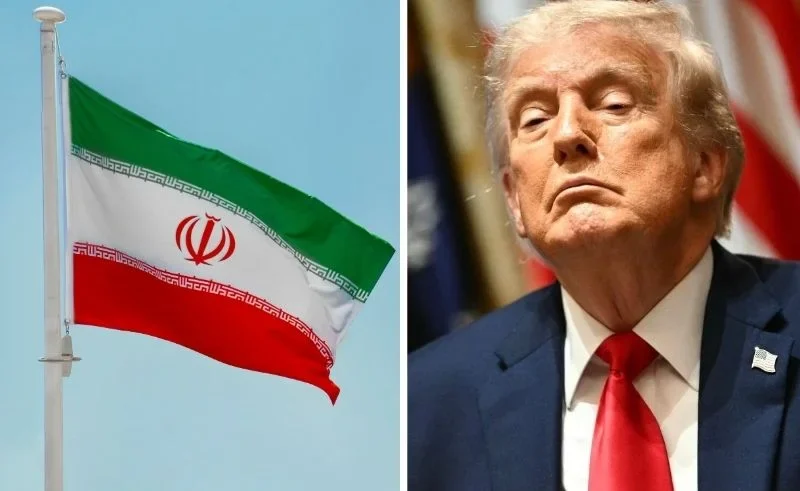
The Iran war isn’t just a foreign-policy dispute for Donald Trump. Whether his administration can deal with the fallout from those military moves without it becoming an equal opportunity and ends-budget, override the agenda issue.
The war has now entered into America’s directly felt concerns: gas prices, inflation, military expenditures and threats that it could drag on much longer. With the 2026 mid-term elections coming up, Iran is growing more of a political problem that defies the work of both the Pentagon and State Department.
The Strait of Hormuz Has Turned Foreign Policy Into Pocketbook Politics
The biggest political vulnerability is energy. The Strait of Hormuz isn’t just a faraway strategic choke point: it also has the potential to affect oil prices, transportation costs and household budgets.
Energy costs are a serious problem of balance for an administration that bases its campaign on economic prowess. If Washington can justify the use of military force to preserve national security.
Sanctions May Expand the Problem Rather Than Solve It
The change in administration’s policies towards Operation Economic Fury is an effort to pressure Tehran while not exhausting all options of military pressure. Additional secondary sanctions are designed to give the foreign businesses a choice of whether to trade with Iran, or to stick with the U.S.-dominated financial system.
From a political point of view, though, it poses another danger. Any of the major economies to which Iran’s trade is linked is another possible flash point between Washington and its ally.
Iran is a key supplier for the Chinese, and Beijing has major interests in keeping them supplied, while simultaneously trying not to be stymied by so-called unilateral U.S. economic pressure. But if law enforcement does turn into a larger U.S.-China battle, then Trump’s Iran approach could seriously head down a whole new path of geopolitical confrontation.
Political Center Is Getting Harder to Hold
The Iran war is also revealing fissures within Trump’s own political coalition. Some national-security Republicans believe continued pressure would be warranted and that the battle is crucial to blocking Iranian strategic advances. But others, including portions of the MAGA movement, have a history of skeptical attitudes toward long-term foreign interventions.
But Democrats have an obvious opportunity to attack the administration that it promised strength and affordability, but brought you an over-priced “overseas conflict” with yet-to-be-determined long term liabilities.
That message has a greater impact when voters don’t know the goals of the war. Not all military actions are not the cause of a public reaction of opposition. Commonly initiated by the thought that there is someplace to reach, however not certain.
2026 Midterms Change the Equation
While most of the time, foreign policy does not directly decide every congress race, it can be an important factor in a contest when it dovetails with the inflation, casualties and uncertainty of the formulation of public policy.
The poll, supplied, revealed that support is faltering for the conflict, and worries over energy costs are increasing. Such an alliance poses a danger to Republicans that are holding narrow voting-day majorities.
The Iran policy is not something that the administration needs to win universal support for. It requires voters to think that the strategy is managed, legitimate and is working to a clear end point.
Stay Ahead with Key Global Developments
Could Hormuz Become Trump’s Biggest Test?
Check out Iran’s response as the Strait of Hormuz standoff escalates.
How Did Sanctions Disrupt Regional Trade?
Find out how UAE-Iran trade restrictions affected supply chains.
Could Iran Conflict Reshape Pakistan’s Border?
Uncover the impact on Balochistan security and border trade.
Can Thailand Gain From Trade Tensions?
See how Thailand could benefit from U.S.-China tensions.
Will China Defy US Oil Sanctions?
Track down Beijing’s response to U.S. secondary sanctions.
Trump’s Biggest Challenge Is Defining an Off-Ramp
But the central political issue is far more complex if Trump can win in Tehran and other nations by force or with the help of regime change, or by economic pressure. It’s whether he can show what means is presumed as a triumph.
There needs to be an off-ramp, a viable diplomatic process, an energy markets stabilization program and a roadmap for when hostilities conclude for a sustainable political campaign to succeed.
Otherwise, each fresh sanction, missile launch or marring of the waters of the Strait of Hormuz could serve to further prolong the political debate instead of settling it.
Throughout his political career, Trump has created a large subset of his reputation seen as being a man of power. The irony in all this is that there’s a new kind of strength in the Iran crisis that may now recognize when pressure achieves its proper sweet spot, when diplomacy is the more politically sustainable approach.
FAQs
Why is Iran an increasing political headache for Trump?
The war has a damaging impact on energy costs, military spending, public opinion and domestic discussion on U.S. policy, and making it harder to keep domestic and foreign affairs apart.
What impact could the Strait of Hormuz have on American voters?
Disturbances also can add to rises in global energy prices, further raising the cost of gasoline and transportation and fueling inflation fears.
Will the war in Iran have an impact on the 2026 midterm elections?
Yes. When linked with rising family costs and casualties or fuzzy political goals, it may become a new talking point in congressional election campaigns.