
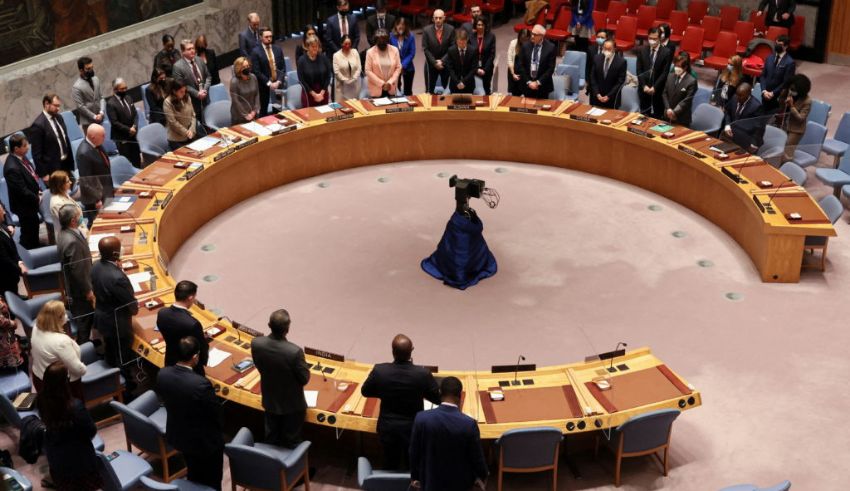
China has expressed its objection to a proposed United Nations Security Council meeting to address North Korean human rights concerns. The attitude emphasizes China’s diplomatic position and raises concerns about the delicate balance between human rights advocacy and foreign relations.
International attention has been drawn to a proposal for a UN Security Council meeting exclusively focused on human rights in North Korea. Human rights advocates claim that such a gathering may shine light on alleged human rights violations within the country and spark debates about appropriate actions to solve these issues.
China holds significant influence in matters brought before the UN Security Council as a permanent member. Its decision to oppose a special meeting on North Korea’s human rights situation reflects its broader foreign policy aims and international approach.
China’s resistance stems from the country’s opinion that human rights issues should be addressed through diplomatic channels and negotiation rather than through unilateral steps that could upset the diplomatic landscape. Chinese officials have stressed the significance of respecting a country’s sovereignty and internal affairs while encouraging constructive interaction.
While China’s stance may worry human rights activists, it is vital to remember that the topic of human rights in international relations is frequently complex and varied. A recurring theme in global diplomacy is the delicate balance between advancing human rights and preserving the norms of non-interference in home affairs.
Keep Reading

The debate over the scheduled UN Security Council meeting highlights the persistent dilemma between campaigning for human rights and maintaining good international ties. It remains to be seen how the matter will be addressed and whether alternate routes for debating human rights in North Korea will be followed as the international community navigates these issues.
Lastly, China’s resistance to a UN Security Council meeting on human rights in North Korea demonstrates the complex interplay between human rights advocacy and diplomatic ties. While the attitude may spark controversy and criticism, it represents China’s larger foreign policy view and commitment to striking a fine balance between resolving human rights problems and respecting the internal affairs of sovereign nations.
As debates on this issue continue, the international community faces the constant difficulty of promoting human rights while preserving diplomatic and cooperative ideals.