
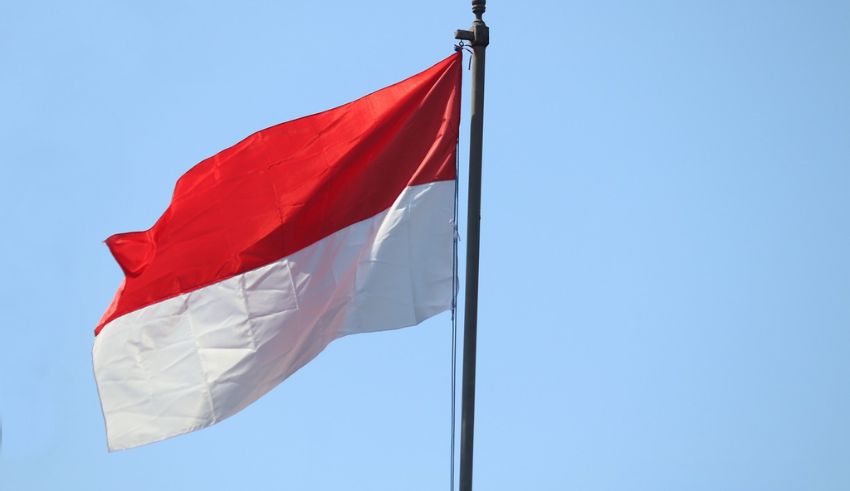
Indonesia’s Electronic Information and Transactions Law (ITE Law), enacted in 2008, has been widely criticized by human rights activists and civil society groups for its vague and broad provisions that can be used to criminalize online expression and silence dissent.
The ITE Law regulates various aspects of online activities, such as e-commerce, data protection, and cybercrime. However, it also contains articles that prohibit the dissemination of information that is considered defamatory, seditious, immoral, or blasphemous. These articles have been frequently invoked by the authorities to arrest and prosecute individuals who post critical or controversial opinions on social media platforms, such as Facebook, Twitter, and Instagram.
According to the Southeast Asia Freedom of Expression Network (SAFEnet), a regional digital rights organization, there were 383 cases of ITE Law violations in Indonesia from 2016 to 2020, involving 546 victims.
Most of the cases were related to defamation, hate speech, and blasphemy, and the majority of the victims were ordinary citizens, journalists, activists, and opposition figures.
One of the most prominent cases was that of Diananta Putra Sumedi, a journalist and editor of the online news portal banjarhits.id, who was sentenced to three years in prison in November 2020 for reporting on alleged corruption involving a local politician in South Kalimantan province.
He was charged with defamation under Article 27 of the ITE Law, which carries a maximum penalty of six years in prison and a fine of one billion rupiah (about 70,000 US dollars).
Another case was that of Ravio Patra, a researcher and human rights defender, who was arrested in April 2020 after his WhatsApp account was hacked and used to spread messages calling for riots amid the COVID-19 pandemic. He was accused of inciting public disorder under Article 28 of the ITE Law, which carries a maximum penalty of 10 years in prison and a fine of two billion rupiah (about 140,000 US dollars). He was released in May 2020 after an international campaign demanding his freedom.

The ITE Law has also been used to target minority groups, such as the LGBT community, religious minorities, and ethnic minorities, who often face discrimination and violence in Indonesia.
For example, in September 2020, a gay couple in West Java province was arrested and charged with pornography under Article 27 of the ITE Law, after a video of them having sex was leaked online. They faced up to 12 years in prison and a fine of six billion rupiah (about 420,000 US dollars).
Activists and civil society groups have been calling for the revision or repeal of the ITE Law, arguing that it violates the constitutional rights to freedom of expression and information, as well as the international human rights standards that Indonesia has ratified. They have also urged the government to adopt a human rights-based approach to regulating the internet, and to ensure that any restrictions on online speech are necessary, proportionate, and legitimate.
However, the government has shown little interest in reforming the ITE Law, despite its promises to do so in the past. Instead, it has proposed a new bill on personal data protection, which some critics fear could further undermine online privacy and security, and enable more surveillance and censorship.
As Indonesia prepares for the presidential election in 2024, the ITE Law remains a potent tool for the authorities to stifle political dissent and social movements, and to silence the voices of the marginalized and oppressed. It also poses a serious threat to the development of a vibrant and diverse online media landscape, which is essential for a healthy and democratic society.