
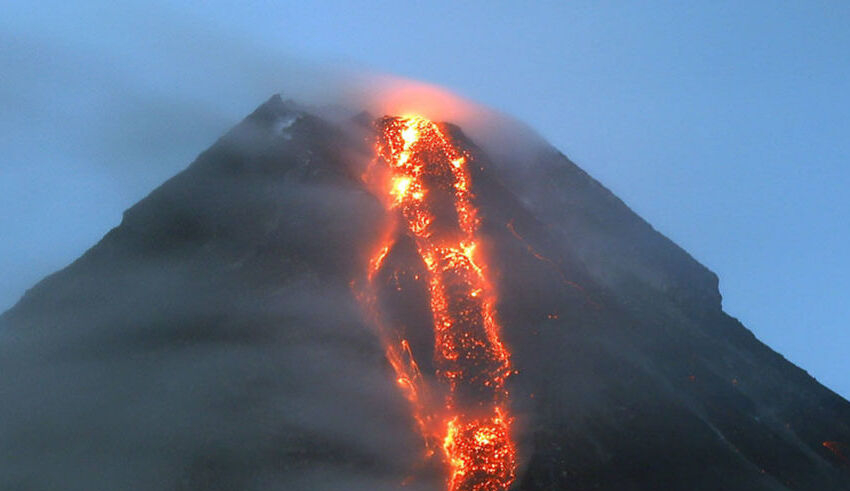
The Mayon Volcano, located in the Philippines, has erupted, prompting authorities to initiate evacuations in nearby communities. The volcano, known for its picturesque cone shape, has been showing increased activity in recent days, leading to concerns about potential hazards to the surrounding areas.
The Philippine Institute of Volcanology and Seismology (PHIVOLCS) raised the alert level for Mayon Volcano to indicate a hazardous eruption is imminent. This decision prompted the immediate evacuation of residents living within the designated danger zones. Local authorities are working to ensure the safety and well-being of affected communities by providing necessary support and shelter.
Mayon Volcano’s eruption is accompanied by lava flows, ash plumes, and volcanic tremors, which pose risks to human health and safety. The authorities have urged residents to adhere to evacuation orders and stay away from the danger zones until it is deemed safe to return.
Keep Reading
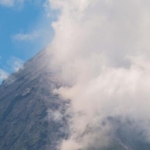

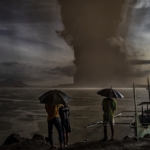
The eruption of Mayon Volcano is not uncommon, as it has a history of periodic volcanic activity. The volcano is renowned for its beauty but is also recognized as one of the most active volcanoes in the Philippines. Strict monitoring and early warning systems are in place to mitigate the impact of eruptions and ensure the timely evacuation of at-risk communities.
The local government and disaster response agencies are working together to provide assistance to affected residents, including the provision of temporary shelters, food, and other necessities. Efforts are also underway to assess the impact of the eruption on agriculture, infrastructure, and the environment.
The eruption of Mayon Volcano serves as a reminder of the dynamic nature of volcanic activity and the need for preparedness and swift response measures. The Philippine government continues to prioritize the safety and welfare of its citizens, taking proactive steps to minimize the risks associated with natural disasters.
Volcanic eruptions, while disruptive, are an inherent part of the geological landscape in the Philippines, which lies along the Pacific Ring of Fire. The country’s volcanoes are closely monitored to ensure early detection and effective communication of potential hazards to vulnerable communities.