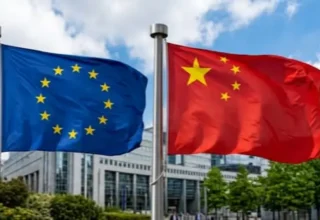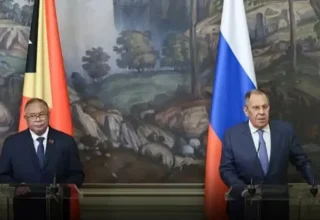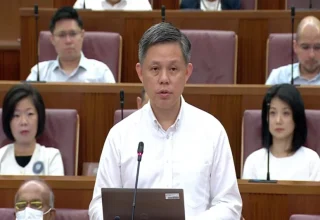











This growing rivalry between some of the world’s great powers creates a pressure on smaller ones to defend their national interests without having that ability at their disposal in the form of military force and a large economy. Small states can exert diplomatic influence and can influence international law and technology development and partnerships, all of which is aimed at shaping the rules for the global arena of cooperation.
Their challenge is to turn finite resources into enduring institutional influence, especially with powerful countries more and more favouring bilateral talks over the multilateral process.
International Law as a Strategic Tool
International law offers a forum for smaller nations to contest action that poses a threat to their interests. In the Philippines‘ 2016 South China Sea arbitration case, the long and complex nature of the procedure revealed how legal actions can set an important precedent in maritime disputes, even if there are disputes regarding compliance.
Vulnerable island states have sought international legal advice on climate change and states’ environmental duties, in similar fashion. These initiatives draw attention to the problem of the countries which are relatively small emitters but highly vulnerable to climate change.
But the recognition of a right is not always followed by enforcement. Small States still require diplomatic coalitions and international support to make their legal principles into realities.
Technology and Regulatory Influence
By gaining expertise in specific fields, it is possible for small states to shape international standards as well. A narrow niche of policies can draw foreign comparisons, as is accounted for in the cases of Estonia’s digital governance and Singapore’s governance work on artificial intelligence.
If states and enterprises apply regulation in a like manner, regulations have a power beyond their control. International companies operating in various markets could be influenced by standards relating to digital identity, cybersecurity and data protection, as well as AI safety.
But regulatory leadership does take effort, technical know-how and joint action with bigger economies. Early adoption does not mean global adoption.
Coalitions Can Multiply Diplomatic Power
Issue-based partnerships enable small countries to work as a collective instead of facing states that are more powerful. Japan’s continued engagement in the original TP and the extension of the agreement post-U.S. withdrawal with the Comprehensive and Progressive Agreement for Trans-Pacific Partnership is a testament to the ability of trade participants to find a way to maintain a trade regime in times of cooperation.
The Digital Economy Partnership Agreement between the governments of Singapore, Chile and New Zealand provides another example of how these countries are looking for common solutions to digital trade.
The luridations indicate that when economies of less magnitude understand that there are certain common interests and that the negotiating positions are similar, they have something to contribute to the making of rules.
Limits of Small-State Influence
Few foreign offices for involvement in a number of negotiations, economic dependence against pressure from larger partners. Lack of robust enforcement structures and capacitance for those powers that want to disregard international regulation affect the results of enforcement.
Technology and trade fragmentation can also lower the impact of the multi-laterals, which are open institutions. Realistic approaches incorporate legal aspects, experts, and strategic partnerships to adeptly manage the complexities of countering or countering by the possessive small states.
Explore key global shifts shaping today’s world.
Can AI Growth Become Greener?
Check out ideas for reducing data centre environmental costs.
What Does Trump-Xi Mean Regionally?
Find how Southeast Asia navigates new strategic uncertainties.
Can Canada Protect Its Autonomy?
Uncover how geography shapes Canada’s strategic choices.
How Is Bangladesh Balancing Three Powers?
Browse the limits of Bangladesh’s strategic autonomy.
Can Multilateralism Survive Global Fragmentation?
See how UNGA 81 confronts a divided world.