









The laptop-lifestyle community has long considered Southeast Asia to be its holy grail. Traditionally, digital nomads have gone to sunset beach clubs in Bali or the large resort beaches in Phuket. However, the truth is the 2026 crowds are here, the traffic is terrible and the prices are soaring locally.
When you’re looking for the best tropical lifestyle without overspending or compromising on your Zoom video calls, it’s time to pivot. Don’t have to put up with overcrowded beaches to get a stable fiber connection.
Rely on dedicated and affordable Southeast Asian islands to significantly reduce your monthly expenses while keeping your location pristine and your connectivity flawless. If you’re looking to escape the tourist traps, here are 3 islands that are just the right size for high-speed internet for remote working.
1. Koh Lanta, Thailand: The Low-Stress Paradise
Thailand’s legendary warm hospitality without the hassle of the traffic is Koh Lanta. This island in the Andaman Sea has the ideal mix of slow life in the tropics and institutional digital infrastructure.
Flawless Fiber and 5G Infrastructure
Koh Lanta may have the reputation of being a sleepy bohemian island, but the connectivity on the island is very strong. Fiber optic lines have speeds above 200 Mbps and average at 500 Mbps and most modern villas and bungalows with access to the beach are directly connected to these high-speed fiber optic lines.
Moreover, Thailand’s top mobile operators offer nationwide coverage for 5G. This makes it very easy to use your Smartphone to quickly connect to the internet while you’re working directly from a hammock on the beach.
The Original Nomad Hub: KoHub
Koh Lanta also boasts the “one of the absolute best community-focused coworking spaces in Asia”, called KoHub Thailand. KoHub offers remote professionals ergonomic seats, air-conditioned Skype booths, private zoom rooms and dual-backup generator systems to ensure you have no power outages during your work day.
Best of all, even a modest monthly allowance of $1000 to $1400 USD will afford you a comfortable private bungalow, local meals and a daily scooter. It’s a very value for money for the person following a digital nomad lifestyle guide budget.
2. Lombok, Indonesia: Bali’s Quieter, Cheaper Twin Sister
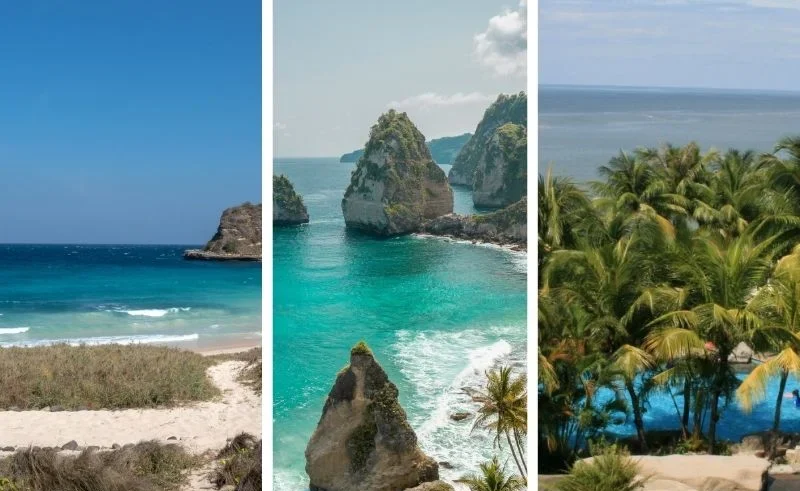
The island of Lombok is just to the east of Bali, and has all of the same elements of incredible volcanic scenery, world-class surf breaks and bountiful palm forests, but at a much lower price.
The Thriving Southern Hub of Kuta Lombok
The town of Kuta Lombok in the south has become a digital hub while the northern part is very scenic and peaceful. In the past few years, this space has received a facelift with the opening of stylish, budget-friendly boutique accommodation, organic cafes that serve hot, healthy food and modern co-working spaces such as South Lombok Coworking.
Uncompromised Work Connectivity
Access to the Internet was very unstable outside of Bali in the past. Thanks to the rollout of localised fibre networks across Lombok, however, the majority of contemporary workspaces and cafes are able to provide reliable speeds of 50 to 100 Mbps without trouble.
Community statistics from Nomad List indicate average COs in Lombok has fluctuated somewhere around 30-40% lower than in southern Bali locations such as Canggu or Seminyak. This will give you the ultimate in Indonesian coastal living without having to endure a lot of traffic or a commercial over-inflated mark-up.
3. Penang, Malaysia: The Culinary Capital with First-World Infrastructure
For remote professionals who want a rich cultural experience combined with the comforts of a modern city, the historic island of Penang is an absolute masterpiece.
Blazing-Fast Commercial Connectivity
This is not just a holiday island, but also an economic powerhouse. It has a highly developed geoportal in George Town and therefore, its digital infrastructure is world class. Local high-rise condo and shared office rentals all have high-speed broadband options with speeds up to 1 Gbps.
The DE Rantau Nomad Visa Ecosystem
Malaysia has been actively positioning itself as a top international tech talent hub. Foreign remote workers and digital freelancers are able to obtain a dedicated nomad 1-2 year visa under the official MDEC DE Rantau Program.
This program encourages the registration of digital-nomad-friendly housing and collaborative workspaces throughout Penang, and enables you to easily set up a completely legal, stress-free home base in Southeast Asia.
More Southeast Asia Travel Secrets Await
Phuket Or Bali For Vacation?
Compare two tropical favorites before planning your dream getaway.
Which Cities Beat Bali’s Prices?
Discover affordable foodie destinations packed with local flavor.
Bali Or Thailand This August?
Find the best match for your budget and weather preferences.
Making These Nomad Mistakes Too?
Uncover common errors travelers and remote workers should avoid.
Paying Bali Tourist Levy Correctly?
Check out the official payment method and skip unnecessary hassles.
Comparing the Top Alternative Nomad Islands
| Island Target | Average Internet Speed | Estimated Monthly Cost | Top Standout Feature |
| Koh Lanta, Thailand | 200 – 500 Mbps | $1,000 – $1,400 USD | Elite community via KoHub space |
| Lombok, Indonesia | 50 – 100 Mbps | $800 – $1,200 USD | Peaceful beaches & surf culture |
| Penang, Malaysia | 100 Mbps – 1 Gbps | $900 – $1,300 USD | First-world transit & food scene |
FAQs
Are these alternative islands safe for solo female travelers?
Yes, all three islands are highly secure and welcoming. Koh Lanta, Lombok, and Penang possess deeply established hospitality cultures and incredibly low violent crime rates, making them exceptionally safe environments for solo backpackers and remote professionals alike.
Do I need a specialized visa to work from these islands?
While casual travelers frequently utilize standard tourist visas or visa-exempt entries for short-term stays, both Thailand and Malaysia offer dedicated long-term remote options. These include Thailand’s Destination Thailand Visa (DTV) and Malaysia’s DE Rantau Pass, both designed specifically to accommodate international remote workers.
Is English widely spoken on these islands?
Yes. English is universally used across Penang due to Malaysia’s multicultural history. In Koh Lanta and Kuta Lombok, the dense concentration of international expats and hospitality businesses ensures that local cafe staff, landlords, and shop owners communicate comfortably in English.