
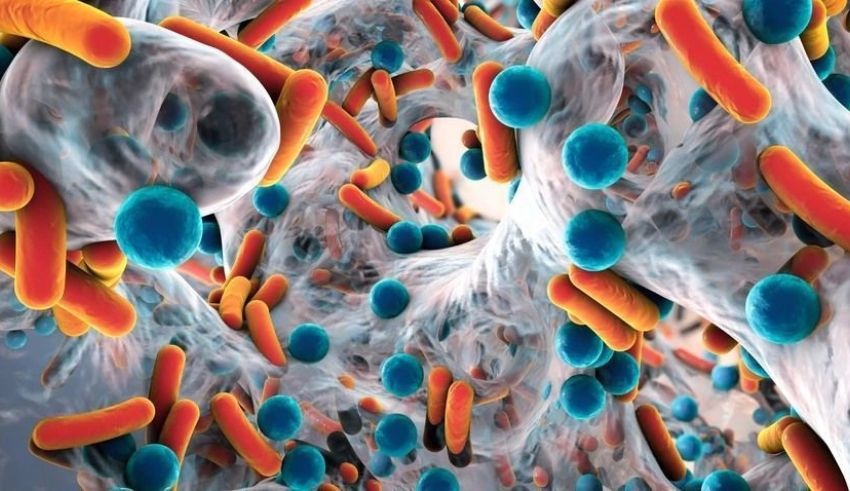
Rising as one of the main threats to world health are superbugs—drug-resistant bacteria and diseases. These deadly strains have developed resistance to antibiotics and other antimicrobial drugs, therefore complicating treatment of diseases and increasing death rates. A recent worldwide study forecasts a terrible future when superbugs could kill about 40 million lives over the next 25 years if present course is kept. The study stresses the urgency of addressing the evolution of antimicrobial resistance (AMR) and supports coordinated global action to avoid a health crisis of unheard-of extent.
Antimicrobial Resistance: Worldwide Emergency in Health
Though it is not a new occurrence, antimicrobial resistance (AMR) has been increasingly threatening the progress made in modern medicine during past years. Our ability to treat common diseases including urinary tract infections, pneumonia, and tuberculosis has deteriorated as germs adapt to survive the drugs meant to kill them. Human, agricultural, and animal farming abuse of antibiotics as well as in industry only exacerbate this problem. Published in The Lancet, a new study provides a comprehensive analysis of the past three decades showing how AMR has deteriorated and projects a dire future should little action be taken.
Approximately 1990 and 2021, approximately a million people worldwide died each year from superbug-related diseases. These deaths not only show bacterial evolution but also highlight how inadequately world health systems manage antibiotic use. The situation is critical; AMR’s threat is probably going to become even more severe without fast intervention.
Old people and children make vulnerable populations
Among the few positive findings of the study was a more than 50 percent decrease in deaths among children under five from superbugs over the past three decades. Mostly this decline can be attributed to improved healthcare practices aimed to prevent infections in neonates as well as better monitoring of antibiotic use in neonatal treatment. Even if children today acquire superbug-caused contract infections, these diseases are much more difficult to treat than in prior years. This causes great challenges for healthcare systems particularly in resource-limited countries where access to alternative treatments may be scarce.
On the other hand, the growing AMR epidemic mostly affects senior citizens. The study revealed an 80 percent increase in mortality among those over 70, which emphasizes how antibiotic resistance aggravates age-related susceptibility to illnesses. This inclination is expected to exacerbate with rising worldwide population aging, thus straying healthcare resources. Older people are more prone to get hospital-acquired infections, most typically originating from drug-resistant bacteria such as Methicillin-resistant Staphylococcus aureus.
The Increasing Risk of MRSA
The emergence of MRSA is one startling example of the dangers antibiotic resistance brings. Often used to treat staph infections, methicillin is among the drugs MRSA, a kind of staph bacterium that has gained resistance against. The study showed that mortality from MRSA infections rose between 1990 and 2021, with almost 130,000 deaths alone in 2021 alone. Since MRSA is a significant source of hospital-acquired diseases and easily spread in healthcare settings, it is highly dangerous. The fast dissemination of MRSA underscores the more general challenges healthcare systems confront in managing superbugs and developing practical therapies.
Using sophisticated modeling, the global study approximated the likely future impact of AMR. If current trends continue uncontrolled, the number of direct deaths from AMR might rise by 67 percent while approximately two million people will die from drug-resistant infections a year by 2025. Apart from these direct deaths, AMR is expected to cause an additional 8.2 million yearly deaths; so, aggregating 169 million deaths total over the next 25 years. These projections are frightening since they precisely demonstrate how quickly things could go out of hand without significant intervention.
Resistance to antibiotics that is widespread affects more than just the death count. Regular medical operations including surgeries, cancer treatments, and organ transplants becoming much riskier due to the increasing possibility of untreatable infections would overwhelm healthcare systems all around. The financial effects would also be amazing since disease and death reduce output and send healthcare costs skyward. Simply expressed, AMR can undo decades of progress in modern medicine and technology.
Path Forward: Dream of Change
The study also suggests that, in spite of these gloomy predictions, it is not too late to stray from the path. If the world acts fast and collectively to ensure better access to effective antibiotics and improves treatment for major diseases, millions of deaths could be avoided by 2025. With the right behavior, the simulation shows that up to 92 million deaths might be prevented over the next 25 years. This would call for a multifaceted approach covering the development of novel antibiotics, stricter guidelines on antibiotic use, and global cooperation to ensure that those most in need of life-saving drugs could have access to them.
World Harmony and the Purpose of International Organizations
As the AMR issue develops more seriously, international cooperation will be extremely crucial. The data was made public ahead of a high-level UN conference where world leaders are expected to address the growing issue of antibiotic resistance and possible responses. This meeting gives countries a great opportunity to get together and address the global issue.
Organizations such as the World Health Organization (WHO) and the UN Environment Program (UNEP) have witnessed slow reaction while warning about the dangers of AMR. Nowadays, governments, healthcare providers, and the pharmaceutical industry all have to give new antibiotic development first priority. Moreover, very important is the problem of promoting reasonable use of modern antibiotics in medical and agricultural settings.
Antimicrobial resistance develops organically over time when organisms including bacteria adapt to survive medication exposure. Still, human activities has accelerated this trend. Perfect bugs have proliferated rapidly thanks in large part to overprescription of antibiotics in medical settings, broad use of antibiotics in livestock husbandry, and improper disposal of medications. Reducing unnecessary antibiotic use and enhancing infection control measures are two important steps toward halting the emergence of resistance.
An Appetite for Rapid Action
The findings of this global research show how urgently coordinated and fast reaction is required to battle AMR. Ignorance has horrible consequences: millions of lives could be lost, healthcare systems could get overburdened, and the global economy suffers. The study also gives hope since the right actions will help to avoid the negative consequences. Together governments, international organizations, and the corporate sector can develop creative medicines, support suitable antibiotic use, and guarantee that everyone might acquire life-saving drugs.
The global health community today is at a crossroads. The choices made in the next few years will determine whether the world can successfully combat the rising tide of antibiotic resistance or whether it will live in a time when once treatable diseases become more fatal. Clearly right now is the moment to move on AMR.