
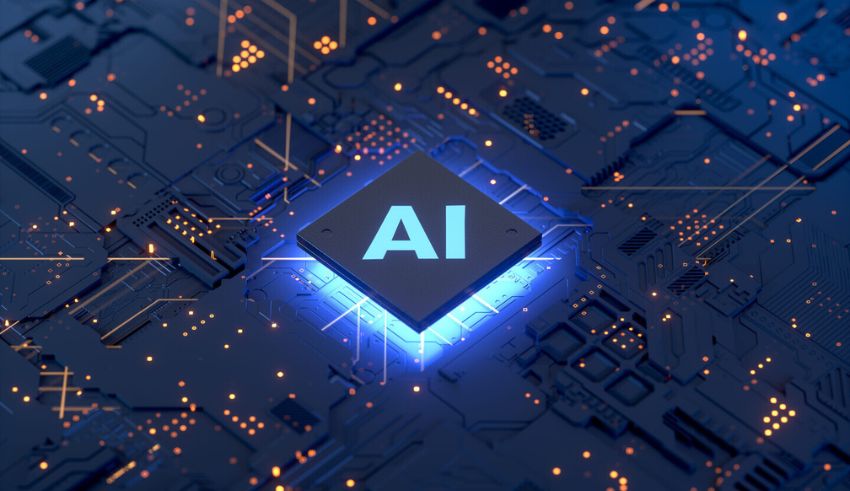
Though it is a worldwide contest, the fight for artificial intelligence (AI) chip supremacy is most fierce across the Taiwan Strait. China with its ambitious technical aspirations and Taiwan, a worldwide leader in semiconductor manufacture, are embroiled in a high-stakes struggle for domination in this critical technology. But who’s ready to win?
Taiwan’s Chip Crown: Inheritance of Creativity
Leading contract chip maker Taiwan Semiconductor Manufacturing Company (TSMC), which makes chips for IT behemoths like Apple and Nvidia, calls Taiwan home. Taiwan’s manufacturing capability and technological knowledge are much enhanced by this experience. The fact that TSMC can create the most sophisticated chips—smaller, more efficient transistors—attests to Taiwan’s top leadership in the semiconductor business.
Apart from its capacity for manufacturing, Taiwan boasts a solid basis in research and development, therefore promoting an innovative culture that drives developments in chip design and fabrication. Leading developers of innovative technologies, Taiwanese companies and institutes are constantly stretching the limits of semiconductor performance.
Moreover, Taiwan uses its knowledge by means of strategic alliances with multinational companies, therefore reinforcing its place in the worldwide chip supply network. Cooperation with US, European, and other Asian firms guarantees that Taiwan will always be vital for the manufacturing and dissemination of innovative artificial intelligence chips.
China’s Rising: Targeted Investment, Home Challenges
China is actively funding its own semiconductor sector, investing billions on manufacturing facilities, research and development. Aiming to lower reliance on foreign technology and lead in high-tech sectors including semiconductor manufacture, the Chinese government has started projects including the Made in China 2025 plan.
While Chinese businesses are improving chip design, their advanced manufacturing techniques still trail those of Taiwan. Businesses such as Semiconductor Manufacturing International Corporation (SMIC) are striving to close this disparity, but it is still difficult to match TSMC in terms of degree of expertise and efficiency.
Overcoming intellectual property issues and developing a home talent pool to compete at the top level presents challenges for China. Allegations of industrial espionage and intellectual property theft cloud China’s technical progress. Moreover, building a qualified workforce able to inspire creativity in semiconductor production is a long-term project requiring large expenditures in training and education.
The X-Factors: Geopolitics and Future Landscape
Seeking to offset China’s technological ascent, the United States is probably going to keep helping Taiwan’s semiconductor sector, so granting access to vital technology and knowledge. This support include political and financial initiatives to guarantee Taiwan’s ongoing supremacy in semiconductor production in addition to technological cooperation.
The continuous political conflicts between Taiwan and China can affect supply chains and impede cooperation, therefore influencing both economies. Given Taiwan’s central importance in chip manufacture, any escalation in cross-strait relations might have dire effects for the worldwide semiconductor sector.
Other nations such as the European Union and South Korea are also funding chip manufacture, further complicating the competitive scene. In the semiconductor sector, South Korea—whose companies include Samsung—is a strong competitor. Plans to increase its semiconductor capacity, therefore diversifying the worldwide chip supply chain, reflect the European Union’s drive for technical sovereignty.
Forecasting the Victor: An Olympic Race Without a Clear Finish Line
Although Taiwan boasts manufacturing strength right now, China’s aggressive spending and government assistance provide a major long-term obstacle. The result most certainly depends on things like China’s capacity to overcome internal challenges, ongoing US assistance, and maybe the emergence of new rivals. This is a marathon rather than a sprint; the winner will eventually help to define the direction of artificial intelligence technology and the world balance of power.
Taiwan and China will have to negotiate the complexity of geopolitics, technology developments, and worldwide competitiveness as the race advances. The stakes are great, and the results of this rivalry will affect the direction of artificial intelligence technology and have effects on the whole global economy. Only time will show which country will become the unquestionable leader in the AI chip war.