
Last updated on February 23rd, 2023 at 01:29 pm
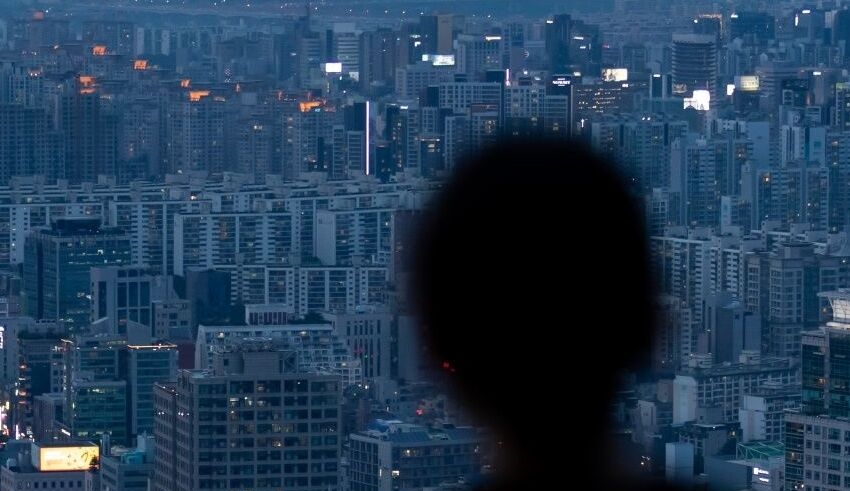
South Korea’s rent-free renting system, which landlords and renters alike benefitted from over a lengthy period of rising residential property prices, is suffering as a result of a drop in housing values.
With the “jeonse” arrangement, renters pay a deposit of up to 70 percent of the home’s value, then live rent-free for two years until the landlord returns the entire amount.
For years, while house values increased and interest rates remained high, this arrangement benefited both residents and owners: the loan renters paid to boost their deposit was less than rent, and landlords received an interest-free loan to use as they wished.
Jeonse tenancy has been especially popular among those in their twenties and thirties who could not afford the full price of a property but could use the system to gain a foothold in the Korean dream of home ownership.
Nonetheless, according to data from the Korea Real Estate Board, median home prices have declined by 12% and jeonse prices have declined by 7% in the two years leading up to January, after soaring by 37% and 24%, respectively, in the prior four years.
Overextended landlords are failing to repay deposits, affecting younger renters disproportionately and endangering the system’s credibility.
Yoo Ha-jin, age 28, regrets not insuring her jeonse deposit when she signed the contract in March 2021. In December, her insolvent landlord informed her that the property would be auctioned and that she might expect to receive no more than 45 percent of her security deposit.
Keep Reading



This implies that she will owe at least 33 million won ($25,000) for the loan she took out against her jeonse contract that expires the following month.
Yoo told Reuters, “I believed I would be alright as long as I could obtain a jeonse deposit loan from the bank.”
According to Korea Housing and Urban Guarantee Corporation, one of the country’s three biggest guarantors, insurance claims for failing jeonse repayments more than quadrupled last year to a record 1.17 trillion won ($903 million).
70% of the occupants were in their twenties and thirties.
According to a representative of the Financial Services Commission, financial authorities are collaborating closely with other institutions to assist jeonse renters and landlords with refund issues.
Authorities are cracking down on jeonse-related crimes, as the number of organized fraud cases increased to 622 in the past year.
According to the central bank, Jeonse deposit loans doubled in less than six years to 172 trillion won ($132 billion) as of October. This represents 17% of outstanding mortgages in South Korea and 10% of household debt.
Nonetheless, nearly all jeonse loans are guaranteed by governmental firms, leaving commercial lenders with little credit risk.
The economist of DB Financial Investment, Moon Hong-cheol, stated, “The jeonse issue provides minimal macroeconomic dangers, but it is nonetheless part of the overall property market decline.”
Young adults’ unanticipated debt loads might heighten problems for the housing market, a major industry that fuels economic development and influences financial markets. The financial markets in South Korea experienced a credit crisis last year as a result of fears of real estate project failures.
Certain investment banks, such as Nomura and Citi, anticipate that the Bank of Korea would begin decreasing interest rates within the next three to six months in order to create a gentle landing for the real estate market.
Read More:- Activists will lead the 37th anniversary of the EDSA Revolution in Cebu