









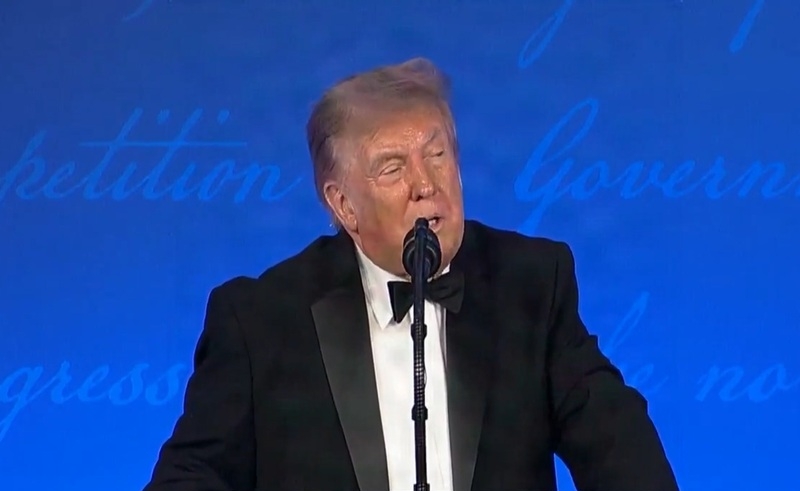
Donald Trump’s political ascendance has been founded on what no traditional GOP could have imagined white working-class voters who have not attended college. The year 2016 was a successful one for him to move economic disappointment, cultural unease and disdain for political elites into one of the most powerful political campaigns in modern American history.
The fear that globalization was leaving behind communities was deeply felt and his intention to bring back jobs, renegotiate trade agreements, and make “America first” was appealing to such communities. But political coalitions are short-lived. It is not clear if Trump’s ability to mobilize the working class in November is still robust, although recent polls indicate otherwise.
Cost of Living Has Become the Defining Political Issue
When it comes to politics, one rule applies: voters rarely judge parties by their rhetoric and speeches, but by their family finances.
The leaden spears of inadequately long-term economic relief have landed on many working-class families. Purchase of groceries, fuel, housing, insurance and utilities still make up a bigger percentage of family income than some voters anticipated. In the midst of all the macro-economic graphs and charts, people live every day, and the cost of living is the litmus test for them to understand the leaders.
When running campaigns, a lot of promises are made that can be tricky to fulfill in a short period. If voters quickly see improvements, only to continue to feel a strain on their finances afterwards, then dissatisfaction is sure to follow.
Tariffs Offer Long-Term Strategy but Short-Term Pain
Protectionism has always been a major tenet of Trump’s economic agenda. Proponents of the tariffs were many manufacturing workers who felt they were needed to shield U.S. industries from outside competition.
Tariffs, however, have short-term economic trade-offs. Costs of a business that imports materials can impact a supply chain, including retail prices and production costs. Supporters say these actions benefit the broader economy by encouraging domestic manufacturers at the long-term expense of domestic consumers, who feel the benefit typically manifests in line longer prices.
This means a difficult political balancing act. Rebuilding American industry may need some time from voters suffering with increasing living costs.
Economic Populism and Traditional Conservatism Are Not Always Aligned
Trump’s coalition has always been one made up of two kinds of people: a fiscally conservative group and an economically populist group.
Some blue-collar voters are heavily concerned with programs like the Medicaid program, food assistance, and rural health care services because it can impact their communities. As legislative agendas seem to shift toward corporate tax cuts, consideration of some social programs is raised, some voters ask: Does economic policy continue to serve their interest?
This is a microcosm of a larger political reality in conservatives. At times the economic populist calls for state action, and at times, the traditional conservative economic thinking does not wish to see large government and public spending.
“America First” Is Being Measured Against Reality
The discussion has also included foreign policy. Much of Trump’s initial defense was that America should have fewer, more expensive commitments overseas, and put more emphasis on domestic issues. That message was quite attractive in communities who felt the years they invested overseas did little for their own economy.
Some voters inevitably ask whether the government is more focused on international events, like wars or crises, than on domestic concerns. Many voters whose top concern is economic security in their own communities assess foreign policy on how well it helps to improve local economies rather than on overarching geo-political issues.
Opponents Are Speaking the Language of Everyday Economics
As concerns over national issues such as unemployment, bogged down by policy debates, give way to issues of local concern, including the affordability of services, protection for workers, wages, infrastructure, and manufacturing jobs, Labor has become more central to political movements across the parties.
It is unclear how these moves will affect voting behavior in the end. But they show how no political party can keep a steady customer base of any group for an extended period without catering to new economic issues.
Working-Class Vote Is Becoming More Transactional
The most significant change is that the classbase electorate seem to no longer have a partisanship bias while assessing politicians’ outcomes.
This doesn’t necessarily mean it’s a rejection of Trump or the Republican Party. Rather, it is indicative of a larger shift in American politics whereby voters are becoming more pragmatic, and less ideological. Performances of the economy, standards of healthcare, employment prospects, and affordability frequently outweigh political allegiance.
This is to some degree a recreation of the political climate that helped propel Trump up to the White House in the first place. A discontent among the mores and anti-institutional belief of the established organizations paved the way for someone to offer change as an outsider.
A Coalition Still Strong, but No Longer Unquestioned
But if white workers in some parts of the country are losing faith then it isn’t an end of the world situation. Trump holds on to a lot of this population and many of them are still wed to Trump’s immigration, trade and cultural agenda.
But the coalition is no longer as unified as it seemed the last few years. Some voters are approaching the candidate selection process from a different perspective and are looking at his or her record based on more practical considerations than mere ideology, such as economic pressures, healthcare concerns or changing political priorities.
In the end, however, it’s probably not about ideology so much as political leaders proving that they are bringing tangible changes to the lives of working Americans largely across party lines. But as the economy grows increasingly unpredictable, voters are more willing than ever to make his campaign reward his message rather than his performance.
More ASEAN Stories Worth Reading
Why Did Leaders Meet Manila?
Check out the key outcomes and regional priorities shaping ASEAN diplomacy.
What Happened At ASEAN Talks?
Dive into the biggest discussions from the ASEAN Foreign Ministers’ Meeting.
How Will ASEAN-US Plans Evolve?
Explore the new five-year work plan and its regional impact.
Which ASEAN Industries Are Booming?
Uncover the fastest-growing sectors creating fresh business opportunities.
Ready For ASEAN Travel Updates?
Browse the latest visa rules before planning your next international trip.