
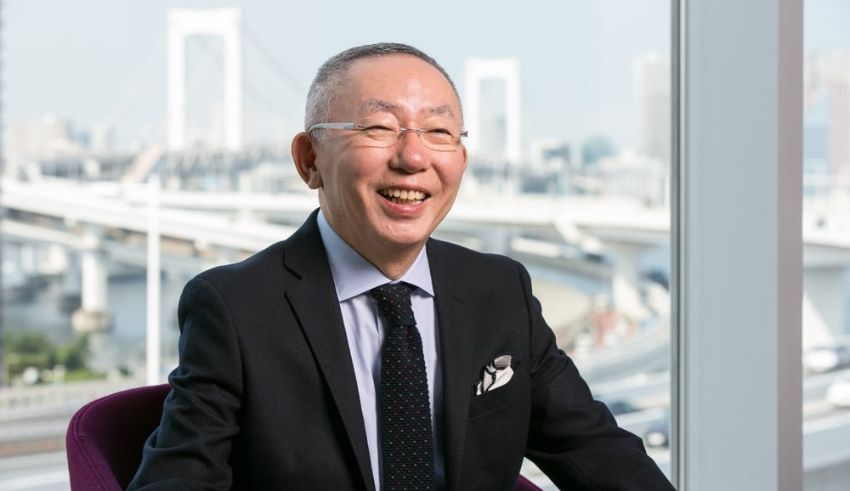
In the heart of Tokyo, bathed in crisp sunshine after a stormy evening, Tadashi Yanai, Japan’s richest man and the visionary founder of the $73 billion apparel empire Uniqlo, stood in his wood-paneled office. His surroundings offered a panoramic view of the Sumida River, while art books lined the shelves. Among them, he singled out a historical photo book curated by TIME, featuring John F. Kennedy during the Cuban missile crisis.
Yanai, 74, seized the moment to share a profound message. Reflecting on Kennedy’s famous words, “Ask not what your country can do for you—ask what you can do for your country,” Yanai aimed to awaken his compatriots. “Wake up!” he declared. “Japan is not an advanced nation at all, because we have been in a dormant state for 30 years.”
Uniqlo’s Story
Despite apparent economic success—Fast Retailing, Uniqlo’s parent company, reported operating profits of $2.54 billion, and Yanai’s wealth soared to $36 billion—Yanai expressed deep concern. He argued that Japan’s economy teeters on the edge due to an overemphasis on manufacturing, corporate bloat, and a budget reliant on soaring debt rather than tax revenues.
Japan’s public debt, standing at 264% of GDP, is the highest globally. Nominal wages increased by only 4% from 1990 to 2019, and productivity lags behind other G-7 nations. Yanai highlighted the need for change, advocating for higher wages, proactive government measures like interest rate hikes, reduced handouts, and sweeping regulatory changes.
In a bold move, Yanai raised the wages of Fast Retailing’s 8,400 Japanese employees by up to 40% and called for the government to take similarly decisive actions. Despite Japan’s economic growth predictions and its role as a key U.S. ally in the face of global challenges, Yanai’s rallying cry challenges the status quo, urging a reevaluation of Japan’s economic trajectory.
Focusing on Japan’s heavy reliance on manufacturing, Yanai emphasized the need for diversification. He argued that Japan’s dormant state results from a lack of adaptation to global shifts and an aversion to risk-taking. While Japan’s economy has shown resilience, Yanai believes it is imperative to tap into global markets actively and shed the complacency that has settled over the nation.
Keep Reading


Fast Retail
Yanai’s passion for change extends beyond rhetoric. In March, he hiked wages for Fast Retailing employees, demonstrating his commitment to breaking away from traditional corporate norms. His unconventional approach and willingness to challenge established practices reflect a dynamic energy in a country often associated with conservative business strategies.
Amid Japan’s economic evolution, Uniqlo stands out as a global phenomenon. From its humble beginnings in Hiroshima in 1984 to becoming an international brand with over 3,500 stores worldwide, Uniqlo has undergone significant transformation. Yanai’s philosophy of adapting to change, experimenting with new fabrics, and embracing failure as a path to innovation has driven Uniqlo’s success.
Yanai’s leadership style, often described as dictatorial, defies Japan’s traditional consensus-building approach. He emphasizes individuality and the need for people to stand on their own feet, challenging the prevailing business culture. Yanai’s commitment to disruption is evident in Uniqlo’s Tokyo headquarters, a hub of collaboration, creativity, and innovation.
As Yanai steps back from day-to-day operations, questions arise about Uniqlo’s future. Will the post-Yanai era retain the zeal for disruption and boundary-pushing that defined its founder’s tenure? Yanai’s departure prompts contemplation about the trajectory of one of Japan’s most successful global brands and the impact of his visionary leadership on the nation’s economic landscape.
In essence, Tadashi Yanai’s clarion call for Japan to wake up serves as a catalyst for introspection and transformation, challenging the nation to break free from its dormant state and embrace the dynamic shifts required for sustainable growth and global competitiveness. Yanai’s journey from a small town in Yamaguchi prefecture to the global stage mirrors the narrative he advocates—a willingness to evolve, adapt, and boldly confront the challenges that lie ahead.