










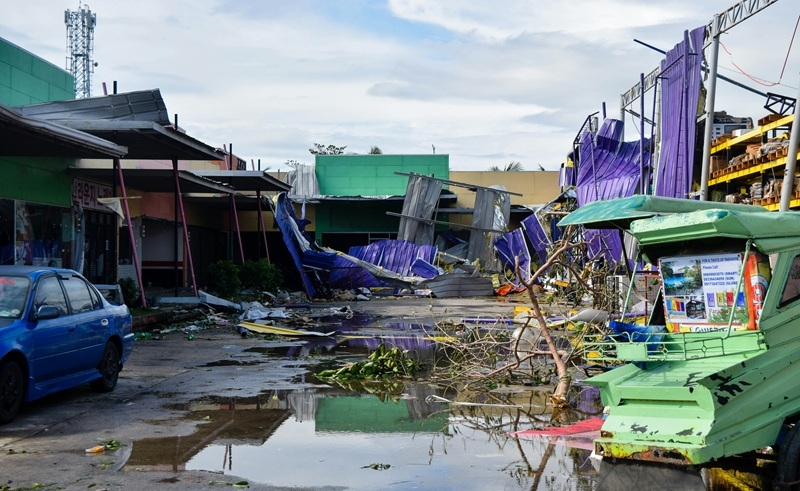
As much as the Philippines is famous for its scenic islands and hospitable people, the truth is, it always gets hit by one or more typhoons during the season. To compound the matter, cyclones bring with them all sorts of trouble, such as the strong winds, the heavy rains, and the floods that lash the areas that they encounter. Even though disasters like these cannot be avoided, it is a fact that proper preparation will go a long way in saving lives, protecting properties, and speeding up the recovery process of the communities. You can also learn from the Major Cyclones that Hit the Philippines to understand how these storms have impacted the country in recent years. Here is the list of things to do if you want to work towards the readiness of a Filipino family before the storm, during the storm, and after the storm.
1. Stay Informed and Alert
In fact, information is the hardest weapon in your arsenal. Be sure you are always updated by getting the latest weather forecasts from PAGASA, tuning to the radio, or accessing reliable social media sources. The first thing to do is to keep track of signs, warnings, and evacuation notices. Along with that, emergency alert apps could be the source of updates in a situation where there might be a power or internet outage that cannot be interrupted.
2. Prepare an Emergency Kit
In the event of a storm, a short and limited amount of time will be available to you. One thing you should do is to have a readily accessible Go Bag equipped with bottled water, non-perishable food, a first-aid kit, a torch, batteries, important papers, face masks, and indispensable medicines. The emergency kit has to be kept in a place that is within easy reach, and it has to be packed with enough things for at least 72 hours.
3. Strengthen Your Home
It is always good to do the rounds and check up on your house for vulnerabilities prior to the typhoon season. With the emphasis on it being done properly, roofs should be reinforced, gutters cleared, and if you have outdoor furniture, make sure that it is fastened. Trees should be trimmed, and if things that can be blown away are around, tie them up. For those who live in areas that are always flooded, it is advisable to raise electrical outlets and keep valuables on upper floors.
4. Know Your Evacuation Plan
A family must have a well-thought-out escape plan in place. Study the locations of the closest evacuation centres, then plan out the routes you can take to get there and gather all the emergency phone numbers. It is a good idea to teach the plan to the family as well, and share it with the loved ones who make up the family, including a meeting place in case you get separated.
5. Safety During and After the Storm
That is why when the storm comes, you should not leave your house and be careful of the window area at all. It is also a good idea not to go wading in floodwaters if the situation permits — they could contain sharp objects or live wires. Go home only after the storm has passed and you have the official permission to do so. After that, carefully inspect the building for any damage, leaks, or polluted water sources.
Conclusion
It is not only the power that helps you survive the cyclone – it is also the right preparation. Filipino people, by maintaining alertness, doing the planning in advance, and cooperating with each other as a community, will be able to face the event with courage and optimism.
Disclaimer: Stay updated with the lastest news, from politics to business trends, while also catching up on the lastest news in sports covering matches, scores, and tournaments. Explore the latest news in entertainment with celebrity updates, movies, and shows, and don’t miss the latest news in games, featuring trending releases and esports highlights.