










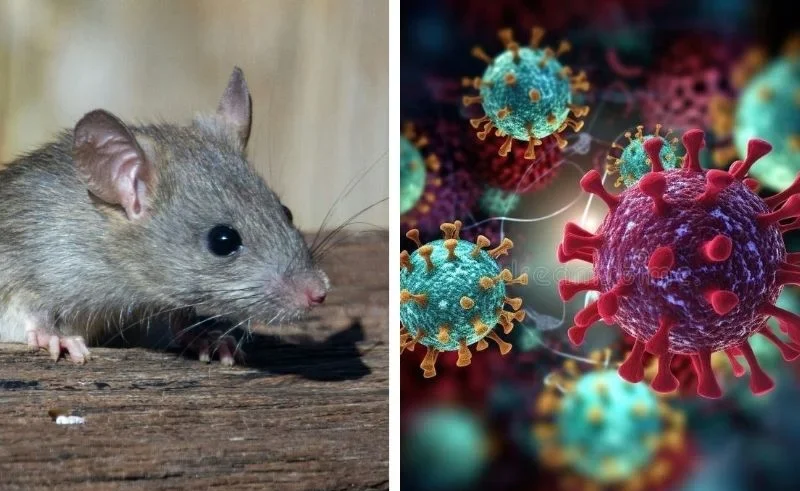
As the world’s health system changes, there’s one threat that’s always been there but has been overlooked—until now. The Southeast and East Asian Hantavirus prevention and control have been strengthened as 2026 gets closer. Though not new, recent localized foci in rural agricultural areas have brought new guidelines from the World Health Organization and regional health ministries. It is crucial to learn how to safeguard yourself since this zoonotic illness is very fatal if not treated.
Understanding the Transmission and Geographic Reach
In comparison to influenza, hantavirus is not an airborne virus, but is mainly transmitted by rodents. The most prevalent strains in Asia are the Hantaan virus and the Seoul virus from the striped field mouse and the common rat. Symptoms of the major zoonotic disease symptoms 2026, are typically found where human habitats are expanding into areas where rats are present, such as a construction site or a new development on the city fringe.
Transmission by inhalation of air contaminated with rodent urine, droppings, or saliva. Aerosolization often occurs when long-abandoned sheds, attics, or rural storage sheds are being cleaned. The Centers for Disease Control and Prevention (CDC) says that direct bites are extremely uncommon, but they are also a strong possibility of transmission.
Recognizing Zoonotic Disease Symptoms 2026
The challenge in diagnosing this disease is based on its initial presentation. The initial signs of a zoonotic disease 2026 are often not specific and can be confused with a common flu. Patients often report:
- High fever and chills
- Severe muscle aches, particularly in the thighs and back
- Fatigue and dizziness
- Nausea, vomiting, and abdominal pain
But it’s the disease’s course that worries researchers. When the virus causes Hantavirus Pulmonary Syndrome (HPS), symptoms include a sudden onset of shortness of breath because the lungs become filled with fluid. The variant of the Hemorrhagic Fever with Renal Syndrome (HFRS) is more prevalent in Asia and causes low blood pressure and acute kidney failure. Early medical intervention is very important for survival, according to the World Health Organization (WHO).
Big Global Stories You Shouldn’t Miss!
How Luxurious Will SIA Suites Become?
Explore routes, prices and ultra-premium flight upgrades.
Who Is Bea Millan-Windorski Really?
Check out the new Miss Universe Philippines winner.
How Serious Is Mayon Eruption Now?
Find the latest evacuation and lava flow updates.
Why Is UAE Tightening Security Measures?
Dive into the latest illicit arms trafficking crackdown.
Could Japan Face A Megaquake Soon?
Browse experts’ concerns over seismic warning signs.
Step-by-Step Guide for Hantavirus Prevention and Control
The key to a successful Hantavirus prevention and control program is a “Zero-Rodent” policy in and around the home. There is no vaccine or cure for the virus, so your best protection is environmental management.
Step 1: Seal the Entry Points
Rodents can squeeze through holes as small as a pencil eraser. Use steel wool and caulking to seal gaps in walls, floorboards, and around pipes.
Step 2: Eliminate Food Sources
Keep all food, including pet food, in airtight metal or thick plastic containers. Ensure that outdoor trash cans have tight-fitting lids and are kept away from the main structure of the house.
Step 3: Safe Cleaning Practices
Do not sweep or vacuum rodent droppings, as this will spread the virus. Rather, use a mask and gloves, spray with a bleach and water solution, and allow to sit for 5 minutes before wiping with a paper towel. The National Institute of Health (NIH) safety database provides more details on sterilization procedures.
Step 4: Professional Consultations
If you live in a high-risk agricultural area, regular inspections by the Ministry of Public Health or local sanitation boards are recommended to ensure regional rodent populations are managed.
FAQs
Can Hantavirus be spread from person to person?
No, nearly all Hantavirus infections are due to direct exposure to rodent feces or the inhalation of contaminated dust. The strains in Asia have not been seen to cause human-to-human transmission.
How soon do zoonotic disease symptoms 2026 appear after exposure?
People typically get symptoms 1 to 8 weeks after being infected with the virus. If you experience a fever and difficulty breathing in a rodent-infested area, please seek medical attention immediately.
Is there a specific season for Hantavirus outbreaks?
It can happen any time of the year, but it seems to have a tendency to occur during the spring and fall when rodents are forced to come indoors for shelter, or when agricultural operations are increased, which results in more human-rodent contact.