









The equity market is split within ASEAN between these markets that benefit from technology investment and those that face cyclical risks. Thailand, the Philippines and Indonesia have fallen behind their peers, but they each have something in their domestic landscape that could have a positive impact on earnings. The issue is whether they can break through these barriers.
Thailand: Tourism and Domestic Demand
The recovery forces in Thailand are based on tourism, consumption, and policy support. Tourism-related services showed a retreat in foreign arrivals putting pressure on the tourism industry, which was offset by electric vehicle sales and technology exports.
The policy rate is already at the low end of the policy corridor, suggesting that the monetary policy stance is accommodative. Household debt is still an impediment. Earning opportunities include a continued recovery in tourism as well as improved fiscal execution and continued investment in EVs.
Philippines: Rates, Infrastructure and Consumption
Inflation stayed at 6.1% in August as the Bangko Sentral ng Pilipinas increased its reverse repurchase rate on August 27 to 5% from the prior 3.75%. There’s too early to make an immediate rate-cut call, but further cuts would boost equities if inflation pressures slow.
Infrastructure can still be a growth enabler. All of the 2026 Build Better More program has a P1.556 trillion allocation, including funds for roads, railways, flood control, buildings, and connectivity programs. Productive acceleration would back the building of infrastructure, industry and revenue.
Indonesia: Domestic Investors and Industry
Indonesia’s structural strength might just be its growing domestic investors. The number of capital-market investors reported by OJK in August 2026 was 31.14 million with an increase of 52.90% compared to the previous year. More widespread participation can make local funding more liquid, and less reliant on foreign portfolio flows.
Another theme is added to the word by the downstream industrialisation. There is a strong interest in nickel processing and batteries, but corporate interests will be determined by commodity policy and project economics as well as world demand. Recent nickel price adjustments were made with a view to increasing the certainty of operating the smelters.
More ASEAN Stories to Explore
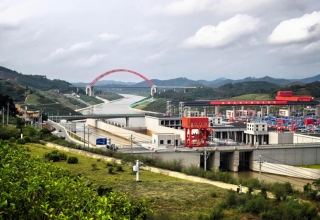
Could Pinglu Canal Transform Regional Trade?
Check out how new connectivity could reshape trade.
Can Green AI Hubs Boost ASEAN?
Explore strategic opportunities across Southeast Asia.
What Does ASEAN 2045 Promise?
Discover the region’s vision for future growth.
How Will Investment Connect Southeast Asia?
Find out how new efforts link capital.
Can Energy Cooperation Deepen Regional Ties?
See how Malaysia and Thailand are strengthening cooperation.
Real Test for a Turnaround
The recovery course for the three markets is not uniform. Tourism demand is needed and even infrastructure spending gets converted into activity; on the other hand, the Philippines requires liquidity and industrial investment to convert into sustainable earnings while Thailand requires inflation and financing conditions to be better.
FAQs
Is it possible for ASEAN laggards to catch up later?
Yes, but conditional on higher valuations being supported by enhancing earnings, liquidity and macroeconomic conditions.
What are the most important things?
Key variables are tourism, interest rates, inflation, infrastructure investments, domestic liquidity, and industrial investment.
Has the Philippines already begun to reduce rates?
No. The BSP announced on 27 August 2026 that it has increased its target reverse repurchase rate to 5%.