

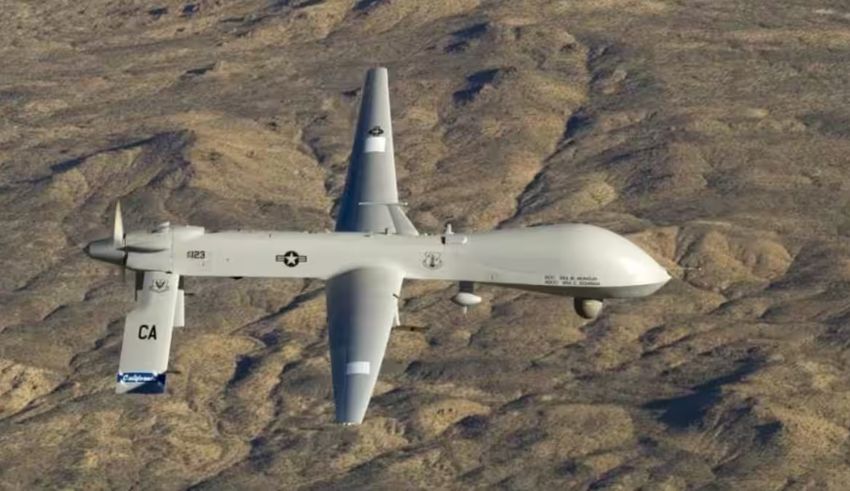
India has taken a decisive step by imposing a ban on the use of Chinese parts or components in its military drone manufacturing sector. This is a bold step to strengthen domestic production capabilities and enhance national security.
New Delhi’s measure underscores the growing strain in India-China relations and highlights the government’s resolve to reduce dependency on foreign suppliers, particularly in sensitive areas like defense. India’s security experts fear intelligence-gathering could be compromised by Chinese-made parts in drones’ communication functions, cameras, radio transmission and operating software.
By enforcing this ban, the Indian government aims to create a more self-reliant defense ecosystem and reduce vulnerabilities associated with foreign technology dependency. But the ban will also impact several key players in India’s military drone manufacturing sector, many of whom have traditionally relied on Chinese components for cost-effectiveness.
Industry insiders believe there will be a temporary disruption in supply chains as manufacturers scramble to source alternative components from non-Chinese suppliers. While this transition may lead to short-term challenges, it is anticipated to drive innovation and the development of indigenous technologies in the long run.
India is encouraging military modernization, foreseeing greater use of unmanned quadcopters, long-endurance systems and other autonomous platforms. Sameer Joshi, founder of Bengaluru-based NewSpace Research and Technologies, highlighted that 70 percent of goods in the supply chain were made in China. He said switching to a non-Chinese pipeline pushed up costs dramatically, with some manufacturers still importing material from China, but they white-label it to keep the costs within that frame.
Keep Reading



Y. Dilip, director of the Aeronautical Development Establishment (ADE), pointed out that a government-funded program to produce an indigenous Medium Altitude Long Endurance unmanned system is delayed by about half a decade. The platform – Tapas – has met most requirements, but needs further work to fulfill the military’s goal of a drone that can reach an operational altitude of 30,000 feet and remain airborne for 24 hours.
Critics argue that ensuring the same level of quality without using Chinese components could be a challenging task, given the robust manufacturing capabilities of Chinese technology firms. They say these components have been extensively used in India’s drone manufacturing sector, raising doubts about whether domestic manufacturers can seamlessly replace them.
As such, Indian defense officials have emphasized that stringent quality control measures will be implemented to ensure that the performance and reliability of military drones remain uncompromised. New Delhi is also considering offering incentives to domestic manufacturers to spur R&D efforts aimed at creating advanced, indigenous components.