

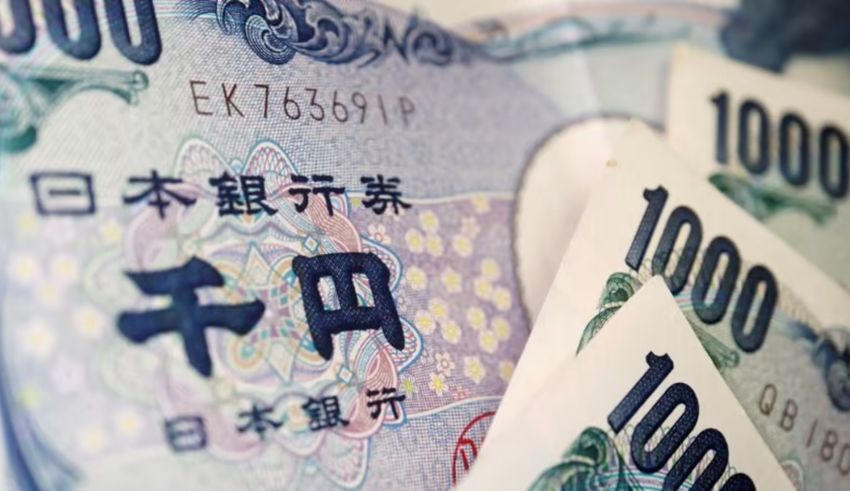
The foreign exchange (FX) czar of Japan has stated that the country will take necessary measures if the yen’s weakness becomes excessive. This announcement reflects Japan’s vigilance toward exchange rate fluctuations and its commitment to maintaining stability in the currency markets.
The FX czar, who is responsible for coordinating Japan’s currency policy, emphasized the importance of monitoring the yen’s movements and ensuring they remain in line with economic fundamentals. While Japan benefits from a weaker yen to support its export-oriented economy, an excessively weak currency can lead to market instability and raise concerns about competitive devaluation.
The statement highlights Japan’s approach of striking a balance between supporting its export sector and avoiding disruptive currency volatility. It indicates that the government is ready to intervene in the currency market if necessary to prevent excessive yen depreciation, which could have adverse effects on the broader economy.
The stance taken by Japan’s FX czar aligns with the country’s long-standing commitment to a free-floating exchange rate regime, where market forces largely determine the value of the yen. However, authorities remain watchful and are prepared to take action to prevent abrupt or unwarranted currency movements.
A weak yen can benefit Japanese exporters by making their goods more competitive in international markets and boosting overseas earnings. It can also support the country’s efforts to combat deflation and stimulate economic growth. However, an excessively weak yen can create challenges, such as higher import costs, inflationary pressures, and potential backlash from other countries concerned about currency manipulation.
Keep Reading



Japan’s commitment to stability in the currency markets is in line with international norms and helps foster confidence among market participants. It signals the country’s intention to address any disruptive currency movements that may arise.
The statement by Japan’s FX czar also underscores the broader importance of maintaining stable exchange rates in the global economy. Volatile currency movements can have significant implications for trade flows, investment decisions, and economic stability across countries. Cooperation and coordination among nations are crucial to fostering an environment of stability and avoiding currency conflicts.
As Japan continues to navigate economic challenges and pursue its growth objectives, the stance on exchange rate stability and the commitment to taking appropriate steps if the yen’s weakness becomes excessive reaffirm the country’s prudent approach to currency management.