









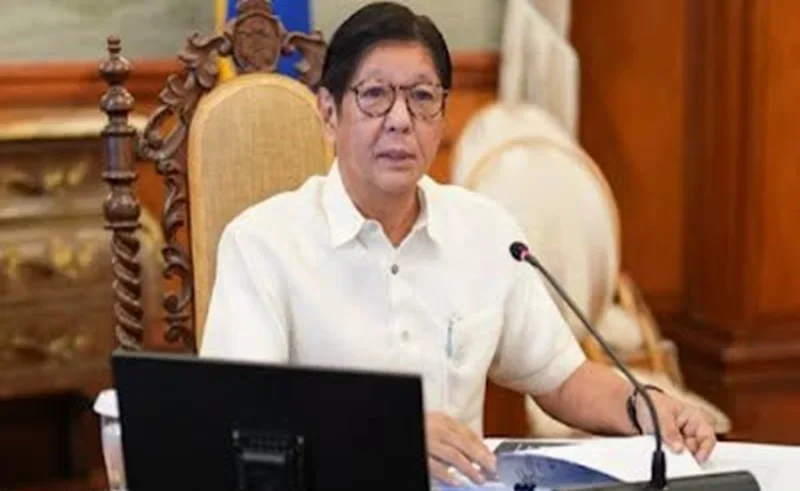
The upcoming 18th BRICS Summit in New Delhi from 12 to 13 September 2026 is not just another diplomatic meeting as the President of the Philippines, Ferdinand Marcos Jr. is set to attend. Known by Indian PM Narendra Modi himself, Marcos will use this summit to highlight the Philippines’ priorities as Chair of ASEAN in 2026, while having a direct handshake with key emerging economies.
Time is of the essence. The Asean Chairmanship for the Philippines is centered on peace and security, whereas India has tabled resilience, innovation, cooperation and sustainability as the agenda for BRICS 2026. The interplay provides a chance to align Southeast Asia priorities on a larger global south of the economic discourse.
Turning ASEAN Priorities Into Global Partnerships
The biggest opportunity is economic diversification. BRICS also involves large economies of emerging markets, all having great importance in the fields of trade, finance, technology, energy and investment. In the Philippines, the engagement also offers more avenues for cooperation as governments in Asia unions pursue more robust supply chains and broader economic ties.
Therefore, Manila should not have a binary outlook of BRICS as a country leaning pro-West or anti-west counterpart. You need to have existing allies to participate. Instead the state at the summit can prove that the potential of ASEAN Centrality enables Southeast Asian countries to connect with various power centers without losing their focus on their own countries’ interests.
India Is the Immediate Strategic Payoff
The most promising bilateral area is perhaps India. The Manila Development of Strategic Partnership in 2025 was carried out in conjunction with a Plan of Action for the period 2025–2029 encompassing political, economic, defence, maritime and technology cooperation.
There’s also a huge investment plan to follow up. In the past, the Philippine government has disclosed actual investments and potential investments of up to $5.798 billion in various sectors, such as the digital infrastructure, renewable energy, healthcare, manufacturing and IT-BPM during Marcos’ 2025 visit to India.
Defence cooperation and institutional military relations have been established between India and the Philippines, and this includes cooperation in the field of defence technology, training and maritime security. That connection offers Manila yet another channel through which it can build capacity, and allow it to pursue a more diversified approach to partnerships.
ASEAN Centrality Will Be the Real Test
In Marcos’ case, what matters most is whether he shows how Manila can stand up as an “ASEAN bridge-builder” or not, and not how well Manila is integrated into the “BRICS”.
The journey was dubbed an “opportunity” by Philippine authorities to have their voice directly heard among the “important emerging economies” with regards to ASEAN priorities. The strategy would let authorities in Manila tap the economic opportunities without using the ASEAN chairmanship as a plank in their bloc politics.
ASEAN navigates a changing geopolitical landscape.
How Does ASEAN Balance Major Powers?
Check out how ASEAN avoids choosing sides.
Why Did Myanmar Reject ASEAN’s Mechanism?
Find out why Myanmar rejected the envoy plan.
What Do Russia’s ASEAN Offers Mean?
Uncover what the Kazan Declaration means regionally.
How Are Indonesia-China Sea Deals Shaping ASEAN?
Browse the impact of maritime agreements on ASEAN.
How Is the Philippines Leading ASEAN?
See how Manila balances sovereignty and regional security.
Bigger Opportunity for Manila
The Philippines should prioritize solutions in areas of digital infrastructure, climate resilience, solutions, investment and trade. These territories correspond not only to their needs of development in their home countries, but also to the interests of other BRICS countries.
The discussion on the summit must be concluded with what Manila can get back: more investment, more partnerships and more policy space for ASEAN. Marcos‘ task is to shift the Philippines’ profile to become an effective player in great power relations instead of just one of their players.
FAQs
What is the reason for Marcos’ attendance at the BRICS Summit?
Marking the Philippines’ hosting role as ASEAN chairman, Marcos is going to the event to discuss the Philippines’ upcoming priorities and interact with the key emerging economies at the event.
What are the key priorities of the Philippines as ASEAN Chair?
Michael C. Weyand & Son Inc. is dedicated to the country’s three key priorities, which are peace and security, prosperity and people empowerment.
Why is the Philippines interested in engaging BRICS?
The match up may lead to new opportunities in trade, investment, technology, digital infrastructure and cooperation on climate change.