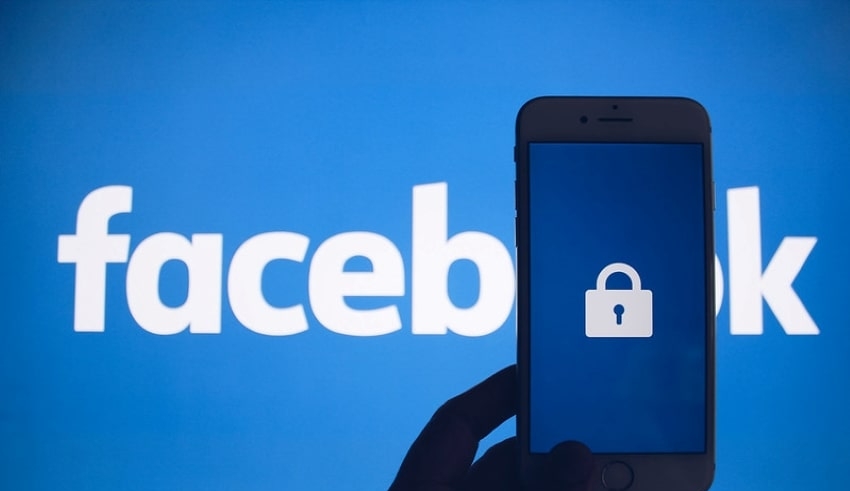
 ASEAN – According to a research published recently, Facebook misidentified tens of thousands of advertising labeled under its political ads policy, raising concerns that the mistake might lead to political manipulation.
Researchers from KU Leuven University in Belgium and New York University looked at 33.8 million Facebook advertisements that appeared between July 2020 and February 2021.
In a summary of their results, the researchers said, “This is the first known study to measure the performance of Facebook’s political ad policy enforcement mechanism on a wide and representative scale.”
Paid advertising that target “social problems, elections, or politics,” including those that endorse specific candidates, are subject to tougher limitations on Facebook.
Political advertisements appear on the site with a disclaimer explaining who paid for them. Ads that are discovered to be political but were not reported as such are removed.
However, the researchers discovered that in 189,000 situations when Facebook assessed an ad to see whether it should be classified as political, it was incorrect 83% of the time.
Related Posts



There were 117,000 instances when Facebook’s detection system missed advertising that should have been identified as political, and 40,000 instances where ads were incorrectly marked as political when they weren’t.
According to the researchers, Facebook’s enforcement of the policy is mainly reliant on an automatic system that detects keywords in advertising, but employees also play a role in content moderation.
The researchers noted that mislabeling the advertising provided potential for manipulation throughout the study period, which included elections in two key Facebook markets: the United States and Brazil.
“Those who are malicious may spread misinformation if Facebook fails to detect advertisers who do not properly classify their advertising as political,” they cautioned.
“Users who encounter advertising without a political notice may not realize they are being influenced,” they noted.
The researchers found that outside of the US, the social media behemoth overlooked a greater percentage of undeclared political adverts.
The report comes after Facebook was chastised for a recent whistleblower controversy, which included claims that the site’s capacity to combat hate speech and disinformation outside of the West was severely deficient.
Following widespread criticism of the platform’s involvement in the 2016 victory of Donald Trump, Facebook announced an embargo on political advertisements in the run-up to the 2020 presidential election in the United States.
Despite this, Facebook permitted more than 70,000 political advertisements to run during the 2020 embargo, according to the researchers.