


Analysts report that the possibility of a Chinese invasion of Taiwan, formerly deemed very implausible, has risen to the forefront of global money managers’ risk radars and is influencing their investment decisions.
Fund managers report an increase in inquiries from clients on the likelihood of a Chinese invasion of Taiwan. Although none of them have engaged in specific transactions relating to this risk, their total exposure to China has decreased for geopolitical reasons, and Taiwan plays a significant role in their asset allocation strategies.
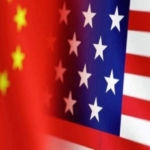
Taiwan has long been a hotspot in US-China ties, which have been further strained in recent weeks by the downing of a suspected Chinese spy balloon and the expansion of a U.S. training program for Taiwanese soldiers.
Chinese President Xi Jinping’s statements at the Communist Party Congress in October, where he won a third leadership term in a precedent-breaking move, had already raised alarm levels due to his repeated assertions that China would pursue control of the self-governed island and never renounce the right to use force.
Tsai Ing-wen, the president of Taiwan, has frequently vowed to maintain peace and avoid provocations. She has suggested negotiations with China, but also stated that Taiwan will defend itself if attacked.
The invasion of Ukraine by Russia at the beginning of the year has also made investors more hesitant, according to analysts.
Due to the sensitivity of the matter, a senior analyst at a U.S. fund house, who declined to be identified, stated, “European investors can’t afford it if something goes wrong in the Taiwan Strait because they’ve suffered significant losses in Russia.”
Keep Reading


According to him, several clients have inquired about how to approach it, and his company has been monitoring this risk.
“It has not yet reached the point where significant action is required, such as cutting exposure here and there,” he said.
The Cross-Strait Risk Index of Goldman Sachs, which measures the severity of geopolitical risk between Taiwan and mainland China, reached a record high in August of last year following Nancy Pelosi’s trip to Taiwan. It has since subsided.
“Following the Russian invasion of Ukraine, we have returned to levels comparable to those of a year ago. But, the amount is above average for 2021,” said Alvin So, a Goldman Sachs strategist.
Since March of last year, spreads on Taiwanese 5-year credit default swaps have remained above 176 basis points, approximately 30 bps higher than at the beginning of the year.
A Chinese invasion of Taiwan would also result in substantial supply chain disruptions and market volatility comparable to those caused by the COVID-19 epidemic and Russia’s invasion of Ukraine.
The Taiwan Strait is a significant passageway for ships bringing products from East Asia to the United States and Europe. Taiwan has also emerged as a crucial front in the supply chain for the chip sector.
Stuart stated, “China wouldn’t need to attack Taiwan or even get heated to generate a stir in that portion of the market. This backlog has the potential to completely destroy the global economy. I believe that is undervalued.”
ALso Read:- Who is Astro Rocky’s girlfriend? Know more about the famous performer